Book Catalog
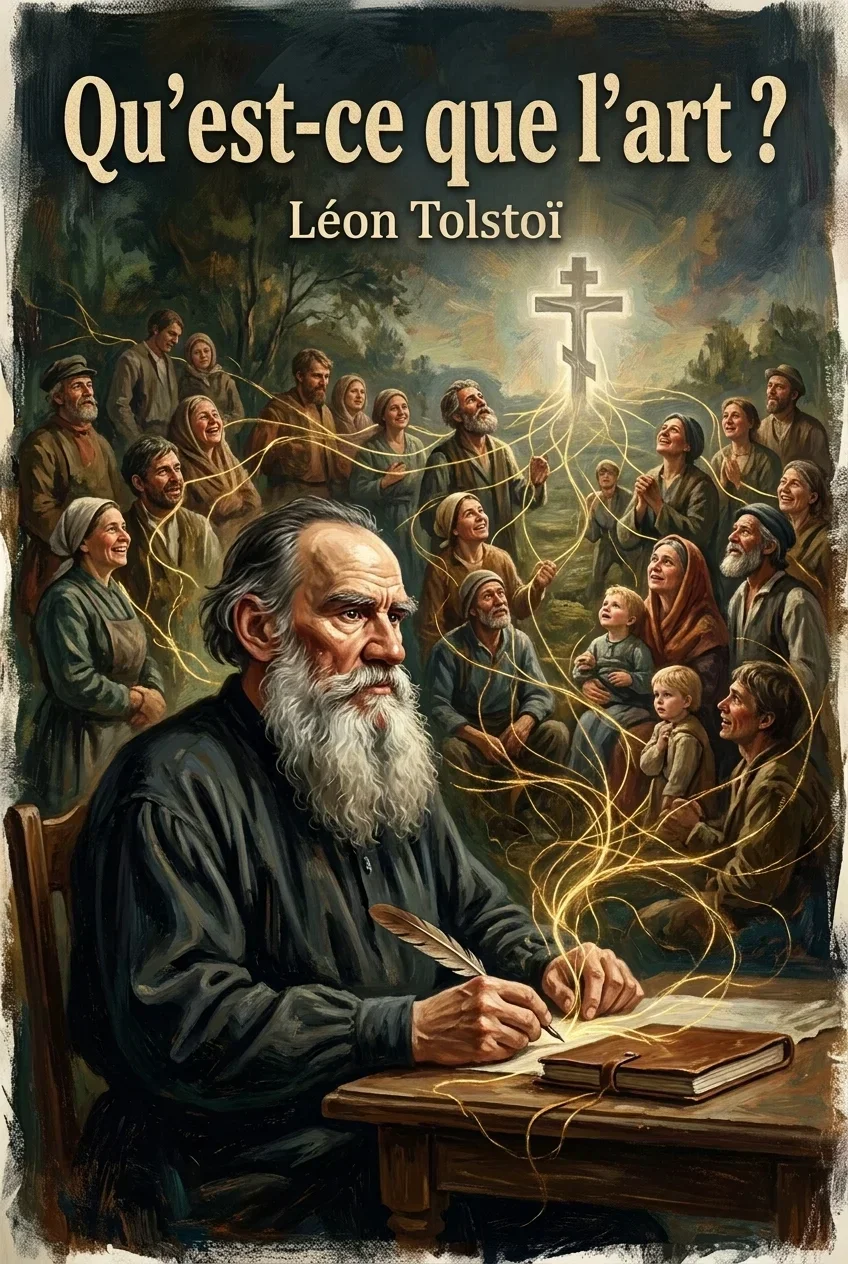
What is Art?

What is Art?

Leo Tolstoy

In this provocative treatise, Leo Tolstoy rejects the idea that art exists only for pleasure or beauty. He defines it as a universal bond capable of transmitting emotions and uniting humanity. Through a fierce critique of elitism and modernity, the author argues for a culture accessible to all, guided by moral and religious consciousness. An essential work for rethinking the social function of culture and the artist's demand for sincerity.

Genre: Philosophy, Art & Photography
Language: French
Publisher: Kotob Online
Format: WebBook, eBook

Special thanks to Kotob Online (Ali Ben Salah Digital Library) for providing the electronic edition of this book to our platform.

Join Free

Start Reading

Sign up for free to access this book.

About the Author

Leo Tolstoy

Leo Tolstoy

1828 - 1910

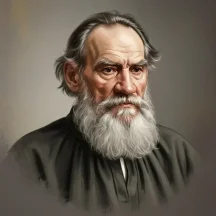
Born into the highest echelons of Russian nobility, Count Lev Nikolayevich Tolstoy (1828–1910) became one of the undisputed masters of realist fiction. After witnessing the brutal realities of combat firsthand as an artillery officer during the Crimean War, he turned his penetrating intellect toward dissecting the vast, intricate mechanics of Russian society. His prose is celebrated for its breathtaking dual capacity: he could seamlessly orchestrate the sweeping, panoramic chaos of a battlefield while simultaneously capturing the quietest, most intimate tremors of the human heart.

In his later years, Tolstoy experienced a profound spiritual and existential crisis. He publicly rejected his aristocratic wealth, his copyrights, and the Russian Orthodox Church, developing a radical, ascetic philosophy of Christian anarchism and strict pacifism. His later philosophical essays on nonviolent resistance would eventually exert a massive influence on global leaders like Mahatma Gandhi and Martin Luther King Jr. While his rigid ideological shifts alienated him from his family and contemporaries, his immense literary achievements continue to stand as towering pillars of world literature.

Essential Reading:

War and Peace (1869): An epic, sprawling masterpiece that masterfully interweaves the personal lives of several aristocratic families against the terrifying, world-altering backdrop of Napoleon's invasion of Russia.

Anna Karenina (1877): A tragic, psychologically devastating exploration of a doomed extramarital affair and the suffocating hypocrisy of high society, famously declared by William Faulkner as the best novel ever written.

The Death of Ivan Ilyich (1886): A profound, deeply unsettling novella that relentlessly examines the nature of mortality and the terrifying realization of having lived an empty, superficial life.

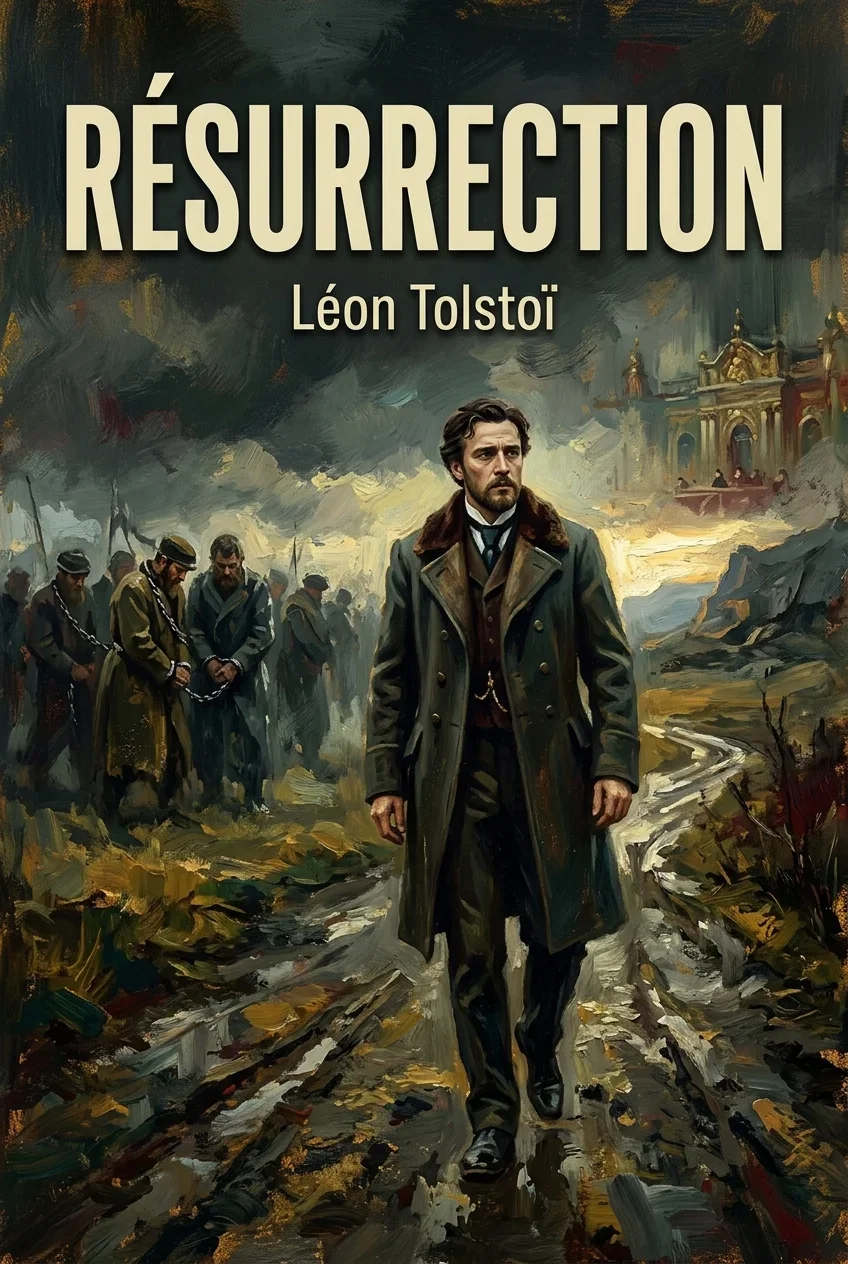
Resurrection (1899): His final major novel, a fierce, highly political condemnation of the Russian justice system and the institutional church, driven by a wealthy nobleman's desperate quest for spiritual redemption.

Read more about the author

More from this Author

More in Philosophy
Top Read This Month

Top Read All Time