Book Catalog
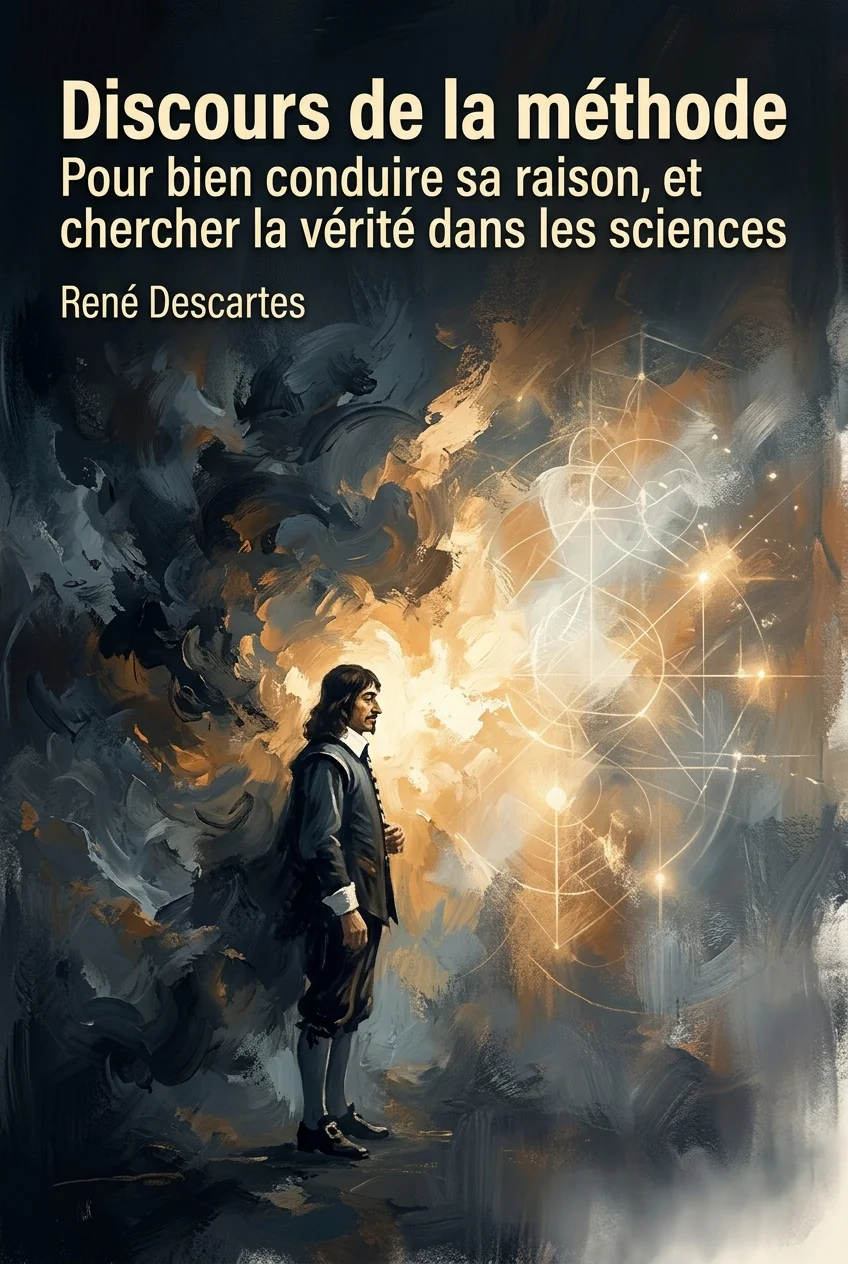
Discourse on the Method of Rightly Conducting One's Reason and Seeking Truth in the Sciences

Discourse on the Method of Rightly Conducting One's Reason and Seeking Truth in the Sciences

René Descartes

A true birth certificate of modern thought, this masterpiece by René Descartes traces the path to truth through methodical doubt. From the universality of reason to the famous "I think, therefore I am," the author proposes a rigorous method to free oneself from prejudice. Between intellectual autobiography and scientific treatise, this revolutionary work invites everyone to become the master of their own reason in order to better understand and transform the world.

Genre: Philosophy, Non-Fiction
Language: French
Format: WebBook, eBook
Join Free

Start Reading

Sign up for free to access this book.

About the Author

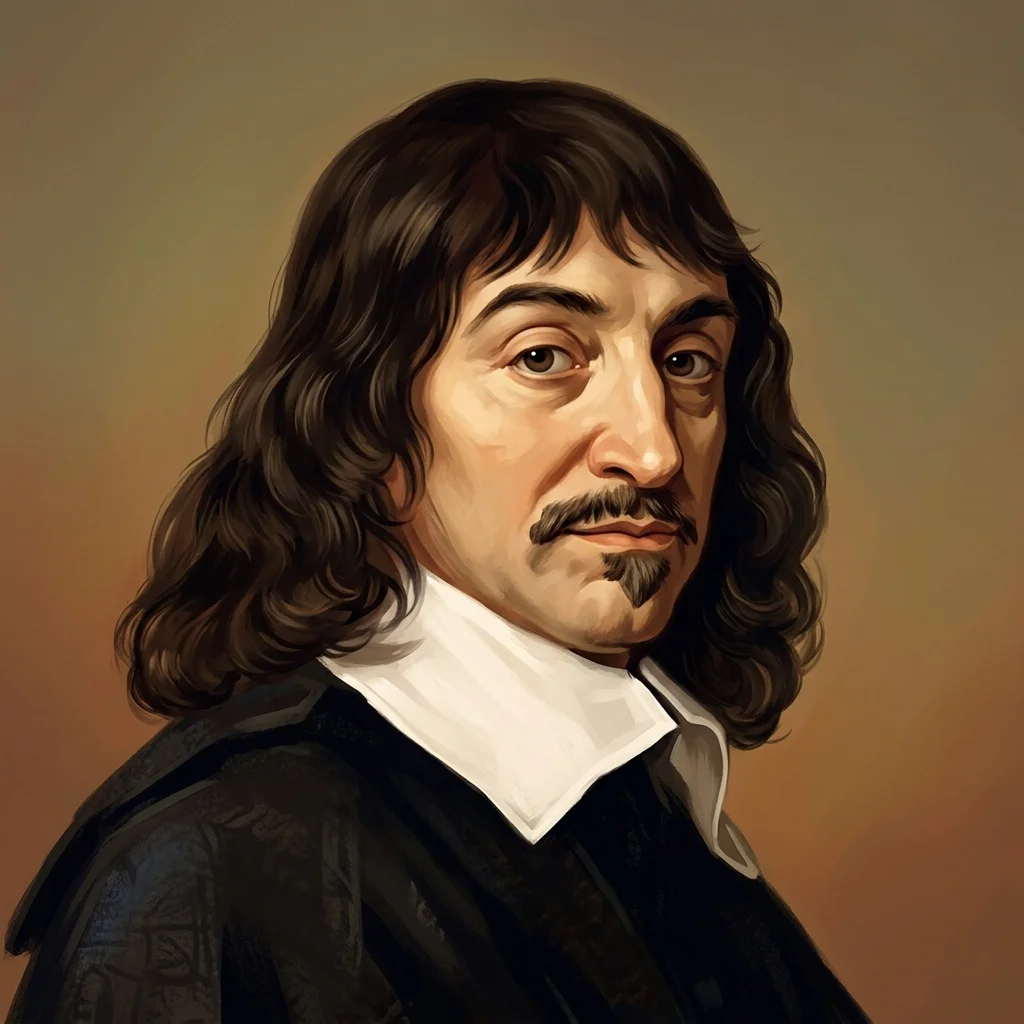
René Descartes

René Descartes

1596 - 1650

René Descartes (1596 to 1650), French philosopher, mathematician, and scientist. René Descartes is universally celebrated as the father of modern philosophy and a central architect of the scientific revolution. He spent much of his career in the Dutch Republic, seeking an environment of intellectual freedom where he could dismantle the rigid structures of medieval scholasticism and rebuild human knowledge upon a foundation of absolute certainty.

His intellectual legacy is anchored in the school of rationalism. By employing a rigorous method of systematic doubt, he sought to discard any belief that could be questioned, eventually arriving at his foundational truth: Cogito, ergo sum (I think, therefore I am). This realization established the self-aware subject as the starting point for all philosophical inquiry. He also introduced the influential concept of mind-body dualism, a theory that separated the physical matter of the body from the immaterial essence of the mind, a distinction that continues to shape modern debates in neuroscience and psychology.

Beyond the realm of pure thought, Descartes revolutionized the field of mathematics by inventing analytical geometry. His development of Cartesian coordinates bridged the gap between algebra and geometry, providing the essential mathematical framework for the later discovery of calculus. His research in optics and physiology further demonstrated his commitment to a mechanical view of the universe, where natural phenomena could be explained through universal mathematical laws.

He passed away in Stockholm while serving as a tutor to Queen Christina of Sweden, leaving behind a legacy that shifted the focus of human understanding from ancient tradition to the power of human reason. His most acclaimed works include Discourse on the Method (1637), Meditations on First Philosophy (1641), Principles of Philosophy (1644), and The Passions of the Soul (1649).

Read more about the author

More from this Author

More in Philosophy
Top Read This Month

Top Read All Time