1886 - 1914
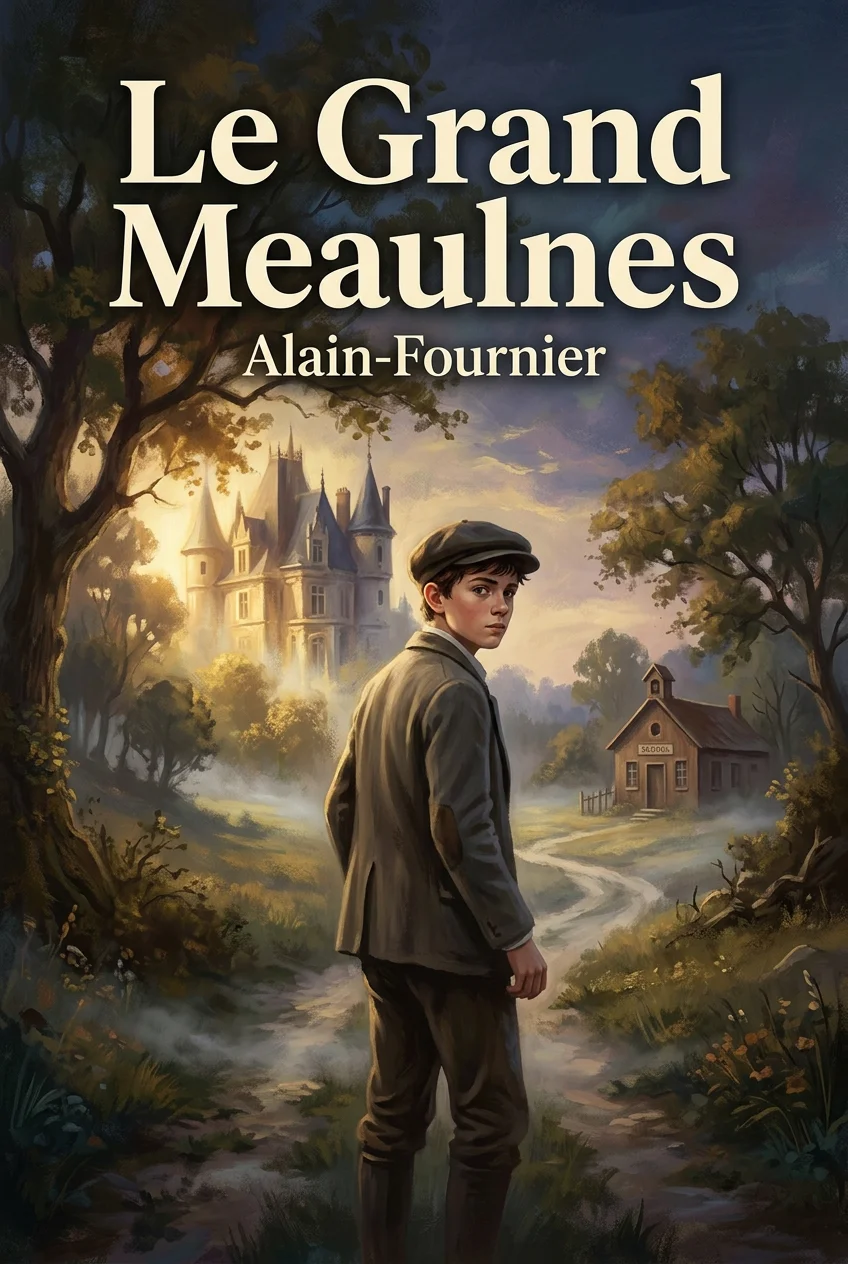
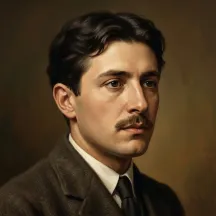
Alain-Fournier was the pen name of Henri-Alban Fournier (1886–1914), a French novelist and literary critic. He is best known for his singular contribution to French literature, the novel Le Grand Meaulnes, which stands as a masterpiece of early twentieth-century fiction. His work captures the poignant transition from adolescence to adulthood with a unique blend of realism and poetic mystery.
Born in La Chapelle-d'Angillon in central France, Fournier pursued higher education in Paris, where he immersed himself in the literary circles of the time. He formed a close friendship with Jacques Rivière, who would later marry Fournier's sister and become a prominent editor. These formative years in the capital exposed him to symbolist poetry and modernist ideas, which deeply influenced his aesthetic sensibilities and narrative style.
The outbreak of World War I abruptly ended his literary career. Fournier was mobilized into the French army and served as a lieutenant on the front lines. In September 1914, during the Battle of the Marne, he was reported missing in action near Saint-Remy-la-Calonne. His body was not identified until decades later, confirming his death in combat at the age of twenty-seven. This tragic end cemented his legacy as a writer whose potential was cut short by history, leaving behind a small but impactful body of work that continues to resonate with readers for its lyrical beauty and emotional depth.
Essential Reading
- The Great Meaulnes (Le Grand Meaulnes) (1913): This seminal novel explores themes of lost paradise and first love through the story of Augustin Meaulnes and his search for a mysterious estate.
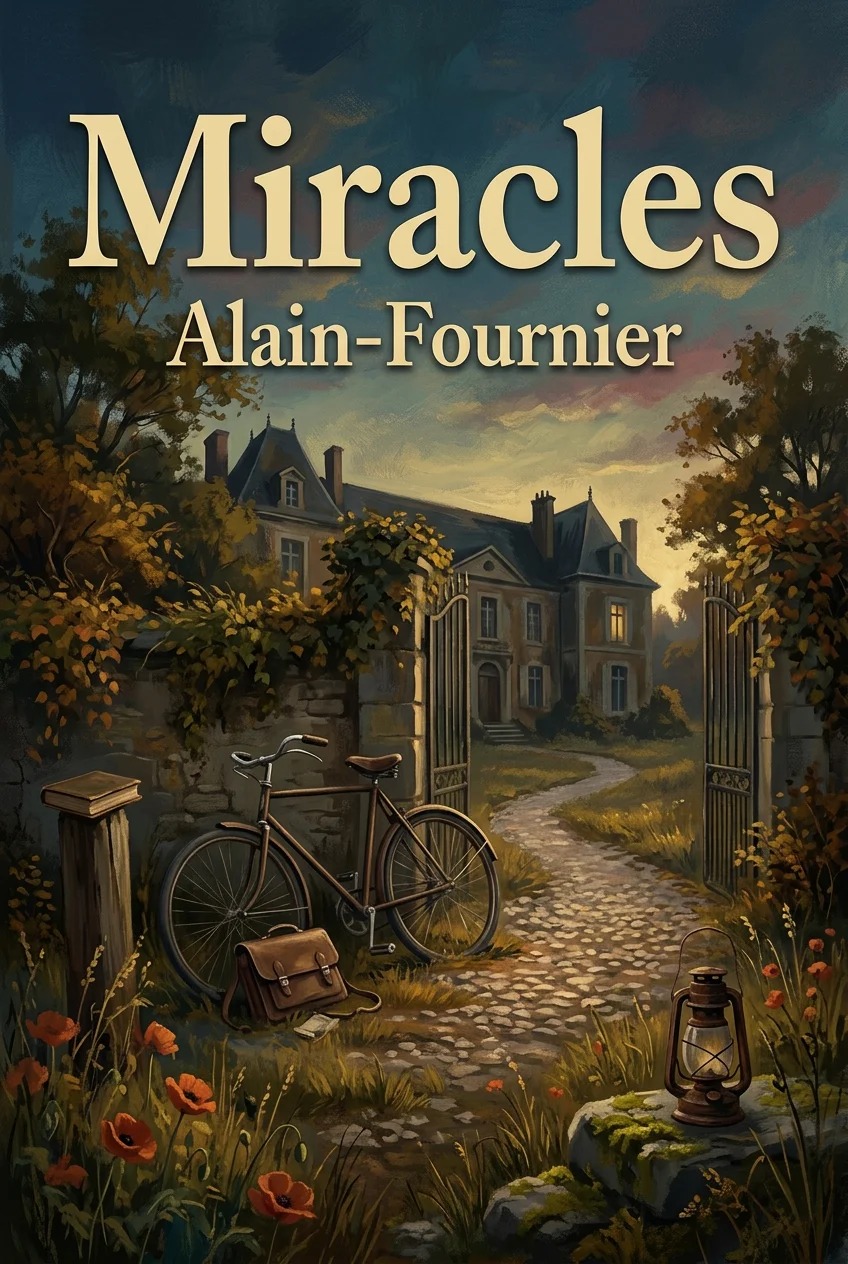
- Miracles (1924): Published posthumously, this collection gathers short stories and fragments that showcase the author's delicate prose and imaginative vision beyond his famous novel.