1835 - 1910
Mark Twain (1835–1910), born Samuel Langhorne Clemens, is widely celebrated as the father of American literature. Raised in the bustling river town of Hannibal, Missouri, he absorbed the rhythms, dialects, and stark moral contradictions of the pre-Civil War South. Before finding global fame as a writer and humorist, he worked as a printer, a miner, and, most famously, a steamboat pilot on the Mississippi River. The river not only provided the vast canvas for his greatest fiction but also inspired his famous pen name—a riverman's term signaling water just deep enough to safely navigate.
Twain fundamentally changed the voice of American fiction by writing exactly how his countrymen spoke. He discarded the stiff, formal prose of his predecessors, replacing it with sharp wit, regional dialects, and biting social satire. Beneath his trademark, folksy humor lay a fierce critic of human hypocrisy, imperialism, and the deep-seated racism of American society. Though his later years were marred by personal tragedy and financial ruin, which drove his writing into much darker, cynical territory, his classic novels remain the definitive adventures of the American spirit.
Essential Reading:
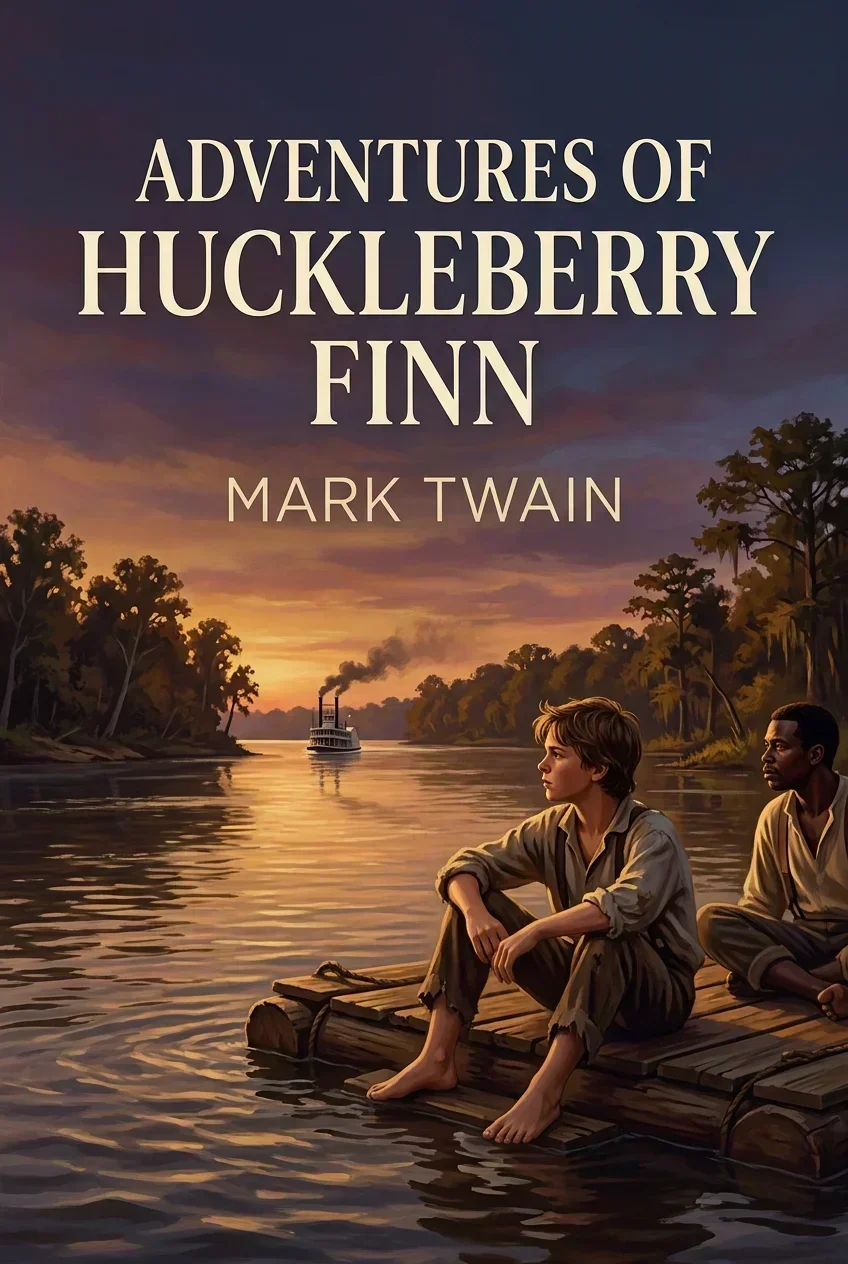
The Adventures of Huckleberry Finn (1884): His undeniable masterpiece, a sharply subversive, wildly adventurous journey down the Mississippi River that unflinchingly confronts the moral rot of institutional slavery.
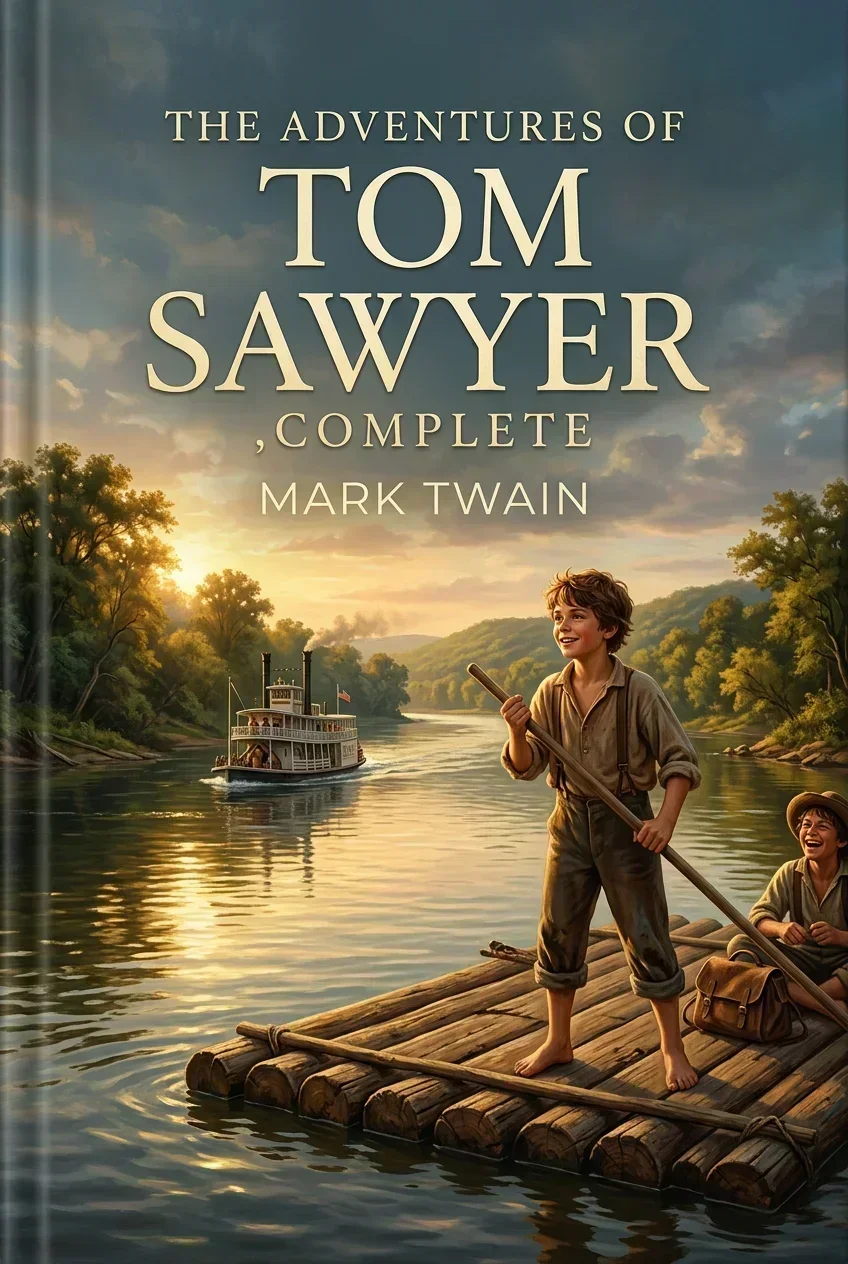
The Adventures of Tom Sawyer (1876): A vivid, quintessential celebration of boyhood mischief, superstition, and imagination set in a heavily fictionalized version of his own hometown.
A Connecticut Yankee in King Arthur's Court (1889): A hilarious, time-traveling satire that sharply contrasts the brutal absurdities of medieval chivalry with the destructive potential of modern industrialism.
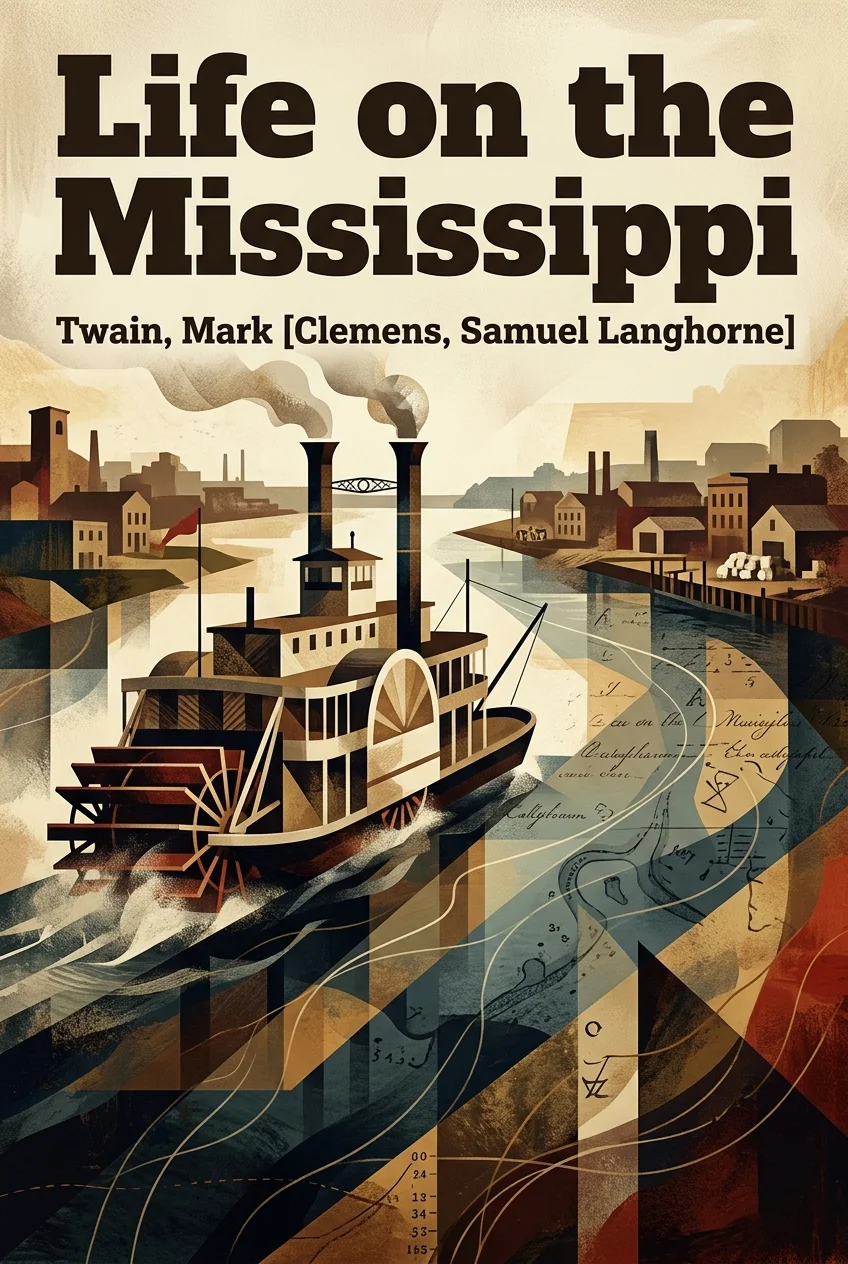
Life on the Mississippi (1883): A vibrant, richly anecdotal memoir detailing his romanticized youth steering steamboats through the treacherous, shifting currents of the great river.
The Prince and the Pauper (1881): A delightful historical romp wherein a young Tudor prince and a destitute street beggar trade places, exposing the glaring inequities of 16th-century English society.