1879 - 1970
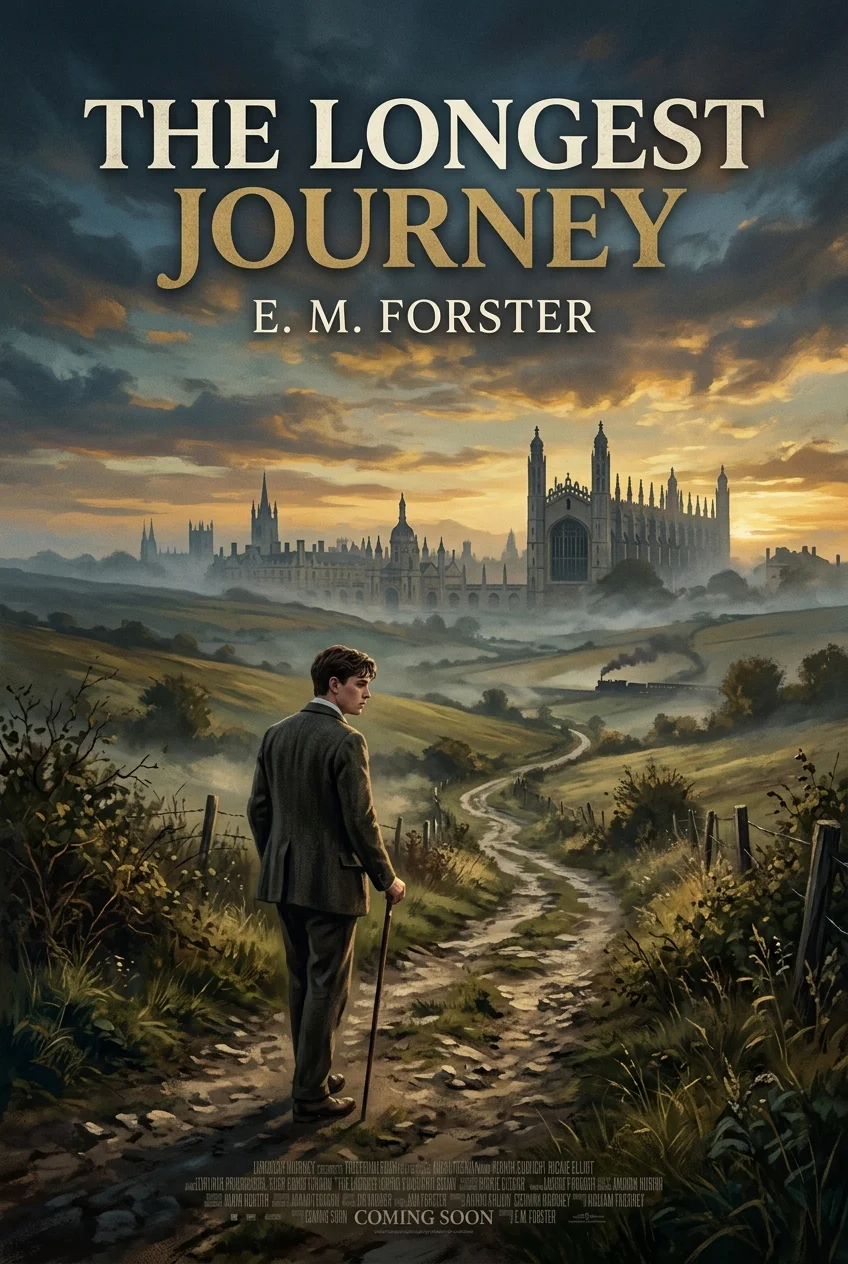
E. M. Forster (1879–1970) was a masterful English novelist whose quiet, elegant prose masked a piercing critique of Edwardian society's rigid class structures and emotional repression. Guided by his famous humanist creed, "Only connect," Forster championed the supremacy of personal relationships and the life of the heart over the suffocating conventions of his era.
His narratives frequently plunge his restrained British characters into vibrant, disorienting landscapes—like the sun-drenched piazzas of Italy or the complex colonial reality of India—forcing them to confront their own prejudices and hidden desires. Though he stopped publishing novels decades before his death, Forster's perceptive, profoundly empathetic body of work continues to resonate as a defense of individual liberty and authentic human connection.
Essential Reading
- A Passage to India (1924): His towering masterpiece exploring the fraught, deeply complex dynamics of the British colonial presence in India through the lens of a devastating misunderstanding.
- Howards End (1910): A brilliant social novel that examines the clash between idealistic intellectuals and pragmatic capitalists in turn-of-the-century England.
- A Room with a View (1908): A sparkling, sharply observant romantic comedy about a young Englishwoman awakening to life, art, and love during a transformative trip to Florence.
- Maurice (1971): Written in 1914 but published posthumously, this poignant, pioneering novel of homosexual love boldly defied the tragic tropes of its time to offer its protagonists a defiant happy ending.