1883 - 1931
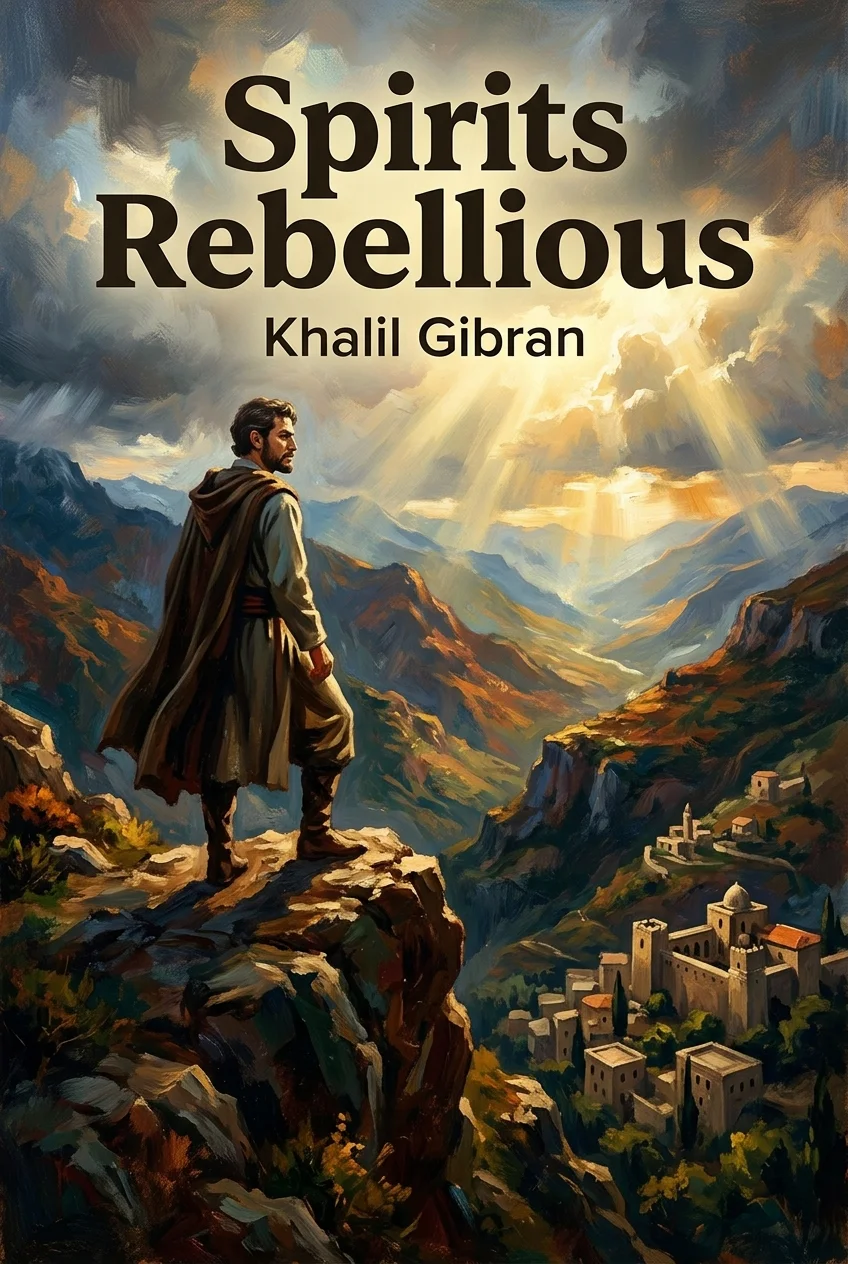
Gibran Khalil Gibran (1883–1931) was a Lebanese-American writer, poet, and visual artist who remains one of the most celebrated figures of the Mahjar literary movement. He is best known for his philosophical and mystical prose poetry, which bridged the cultural divide between the Middle East and the West through its universal themes of love, spirituality, and human nature.
Born in the town of Bsharri in Ottoman-governed Mount Lebanon, Gibran immigrated to the United States with his mother and siblings in 1895, settling in Boston’s South End. This relocation exposed him to Western artistic circles, though he returned to Lebanon and later traveled to Paris to study art under Auguste Rodin. These formative years in both the East and West allowed him to blend Maronite Christian traditions with Sufi mysticism and Romanticism, creating a unique literary voice that resonated globally.
In 1911, Gibran moved to New York City, where he founded the Pen League, the first Arab-American literary society, aimed at modernizing Arabic literature. His experiences of loss, including the early deaths of several family members, and his observations of social injustice deeply influenced his advocacy for spiritual liberation and artistic expression. Throughout his career, he wrote extensively in both Arabic and English, achieving international acclaim for his ability to articulate complex metaphysical truths with profound simplicity.
Essential Reading:
- The Prophet (1923): This masterpiece of philosophical fiction consists of twenty-six poetic essays delivered by the prophet Almustafa, offering timeless wisdom on the fundamental aspects of the human condition.
- The Madman (1918): Gibran's first book written in English, this collection of parables and poems explores themes of irony, solitude, and the masks people wear in society.
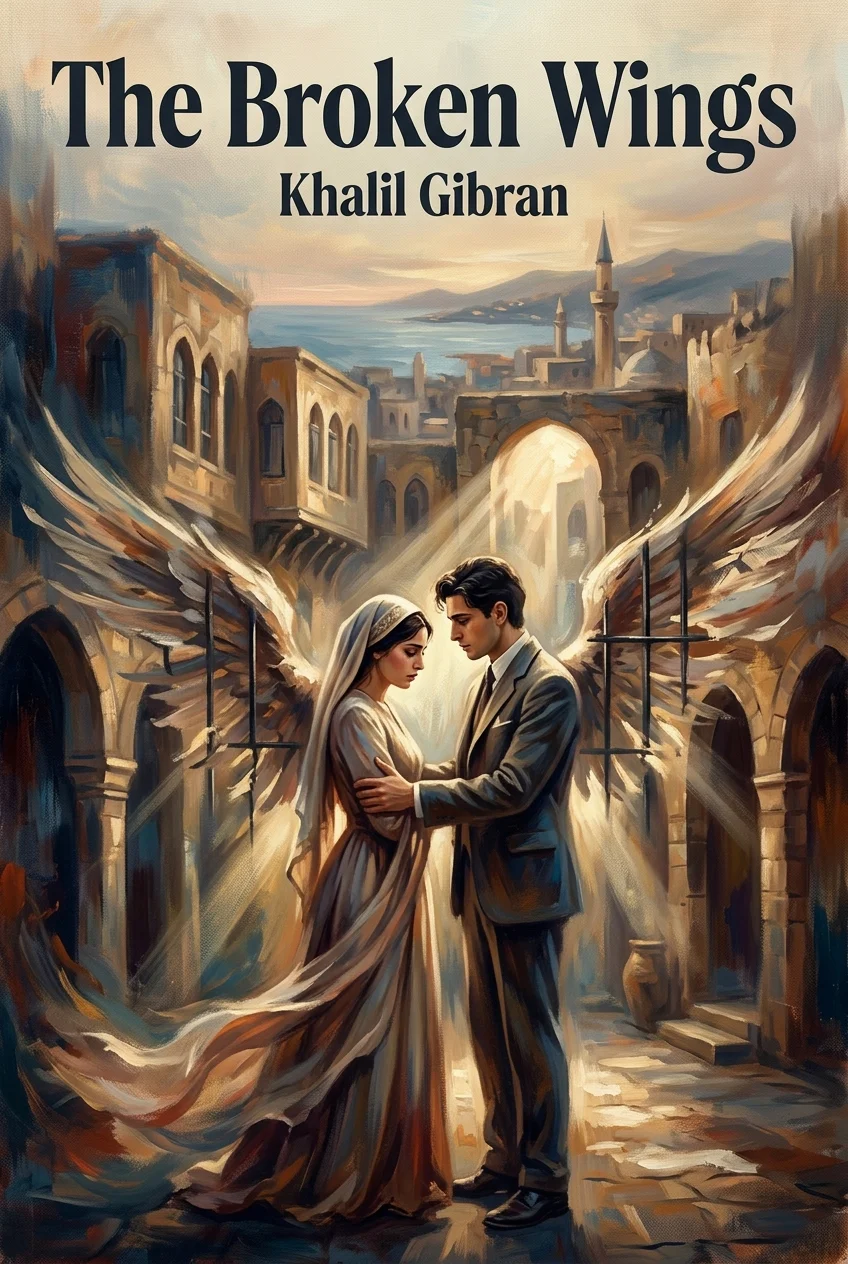
- Broken Wings (1912): A poignant prose poem set in Beirut that serves as a critique of social conventions and a tragic exploration of spiritual love versus institutional constraints.
- Sand and Foam (1926): A collection of aphorisms and short meditations that further distills the author's views on the relationship between the soul and the universe.