1712 - 1778
Jean-Jacques Rousseau (1712–1778) was a Genevan philosopher, writer, and composer whose political philosophy heavily influenced the Enlightenment and the French Revolution. He is best known for his theories on the natural goodness of man and the development of the social contract, which redefined the relationship between the individual and the state.
Born in Geneva, Rousseau spent much of his early life wandering through Italy and France, working as a tutor and music copyist before gaining fame in Paris. His breakthrough came in 1750 when he won an essay competition with his Discourse on the Arts and Sciences, arguing that civilization had corrupted human morals. This period of intellectual ferment led him to develop his radical views on education and democracy, often putting him at odds with both the French monarchy and the Catholic Church.
The publication of his most controversial works in 1762 forced him into exile to avoid arrest, leading to years of displacement across Switzerland and England. During this time, he turned inward, focusing on autobiographical writing and botanical studies to find solace from public persecution. These experiences of isolation and self-reflection defined his later years, cementing his legacy as a pioneer of modern autobiography and a precursor to the Romantic movement.
Essential Reading:
- Les Confessions (1782): This posthumously published work revolutionized the genre of autobiography by providing an honest account of the author's personal life and inner thoughts.
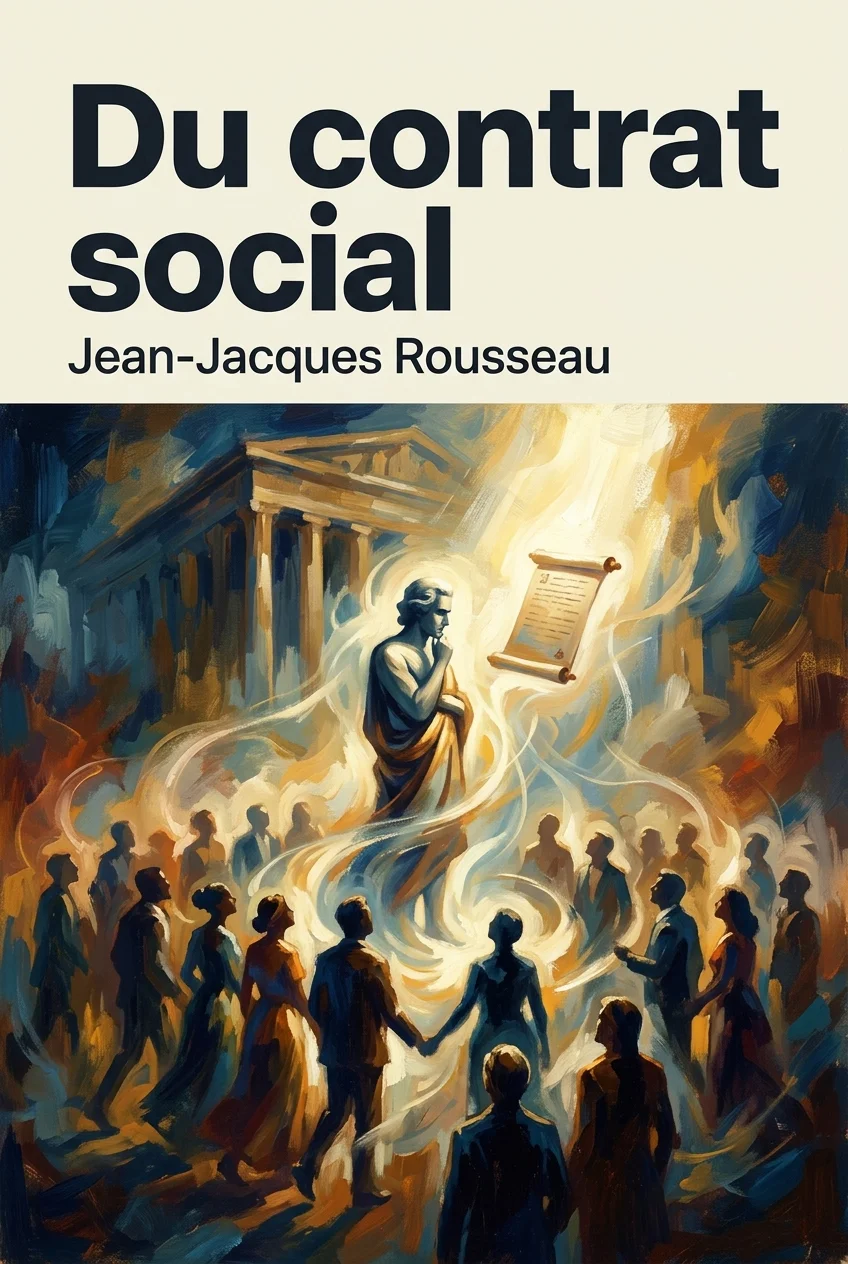
- Du contrat social (1762): This foundational political treatise argues that legitimate authority stems from the collective will of the people rather than the divine right of kings.
- Émile, ou De l’éducation (1762): A philosophical novel that outlines a natural system of education designed to preserve human goodness in a corrupt society.
- Julie ou la Nouvelle Héloïse (1761): This epistolary novel became one of the eighteenth century's most popular works, exploring themes of passion, virtue, and domestic life.
- LETTRES SUR LA BOTANIQUE À MME DELESSERT (1805): A series of instructional letters that reflect the author's late-life passion for plant science and the systematic study of nature.
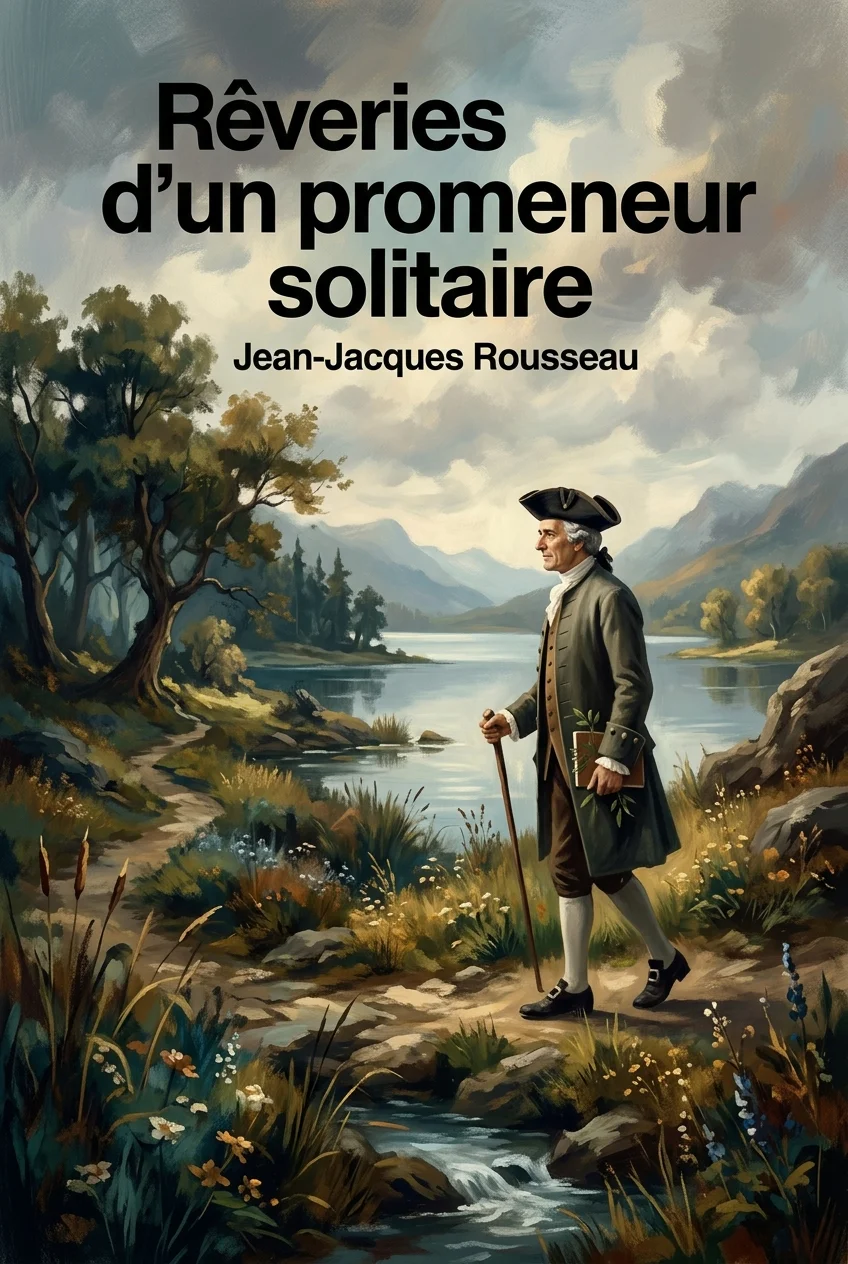
- Rêveries d'un promeneur solitaire (1782): An unfinished collection of ten essays that record the author's solitary walks and philosophical meditations during his final years.
- THÉATRE (Various): A collection of the author's dramatic works and operas, including Narcisse and Le Devin du village, which showcase his early artistic versatility.