-428 - -348
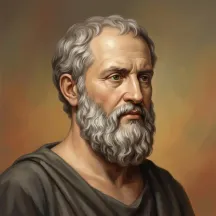
Plato (b. c. 427 BC) was an ancient Greek philosopher and educator who is widely regarded as one of the most influential figures in the history of Western thought. Based in Athens, he founded the Academy, the first institution of higher learning in the Western world, where he taught and developed his philosophical ideas. His defining contribution is his extensive body of philosophical dialogues, which introduced the theory of Forms and laid the groundwork for metaphysics, epistemology, ethics, and political philosophy.
Born into an aristocratic Athenian family, Plato was deeply influenced by the turbulent political climate of his youth, including the Peloponnesian War and the execution of his beloved teacher, Socrates, in 399 BC. This devastating event profoundly shaped his intellectual trajectory, prompting him to seek objective truths about justice, virtue, and the ideal state. Following Socrates' death, Plato traveled extensively throughout the Mediterranean, studying mathematics in southern Italy and philosophy in Egypt before returning to Athens.
In approximately 387 BC, Plato established the Academy, an institution dedicated to scientific and philosophical research that attracted brilliant minds from across the Greek world, including Aristotle. His experiences tutoring the young ruler Dionysius II of Syracuse in Sicily, though ultimately unsuccessful, heavily influenced his political writings regarding the practical challenges of implementing philosophical governance. Through his teaching and writing, Plato established a dialectic method of inquiry that remains a cornerstone of philosophical education and critical thinking today.
Essential Reading
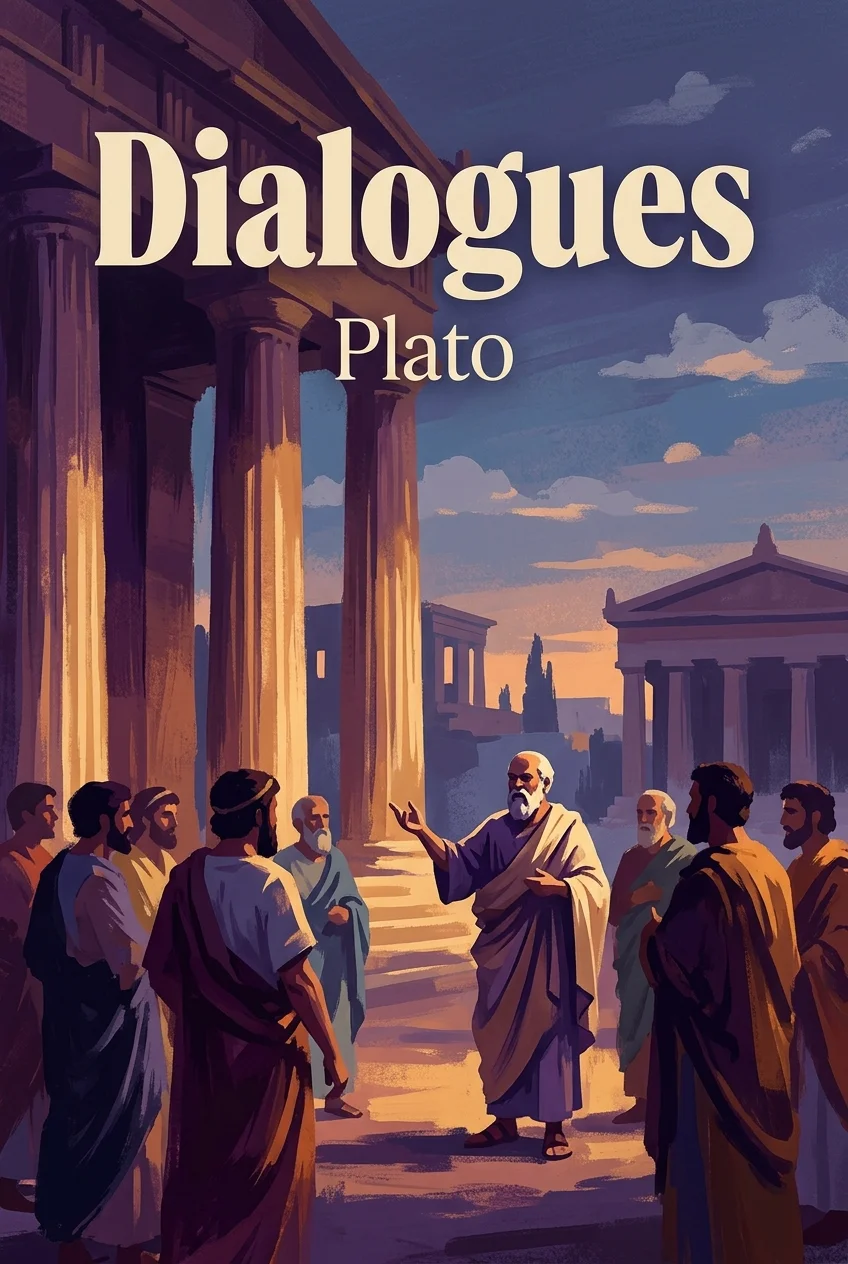
- Dialogues (c. 399 BC): This comprehensive collection of philosophical conversations features Socrates as the primary interlocutor, exploring fundamental questions of justice, virtue, love, and the nature of reality.
- Republic (c. 375 BC): Plato's seminal work on political philosophy outlines his vision of an ideal society governed by philosopher-kings and introduces the famous Allegory of the Cave.
- Symposium (c. 385 BC): A dramatic dialogue set at a banquet where guests, including Socrates and Aristophanes, deliver speeches exploring the diverse nature and spiritual power of love.