Book Catalog
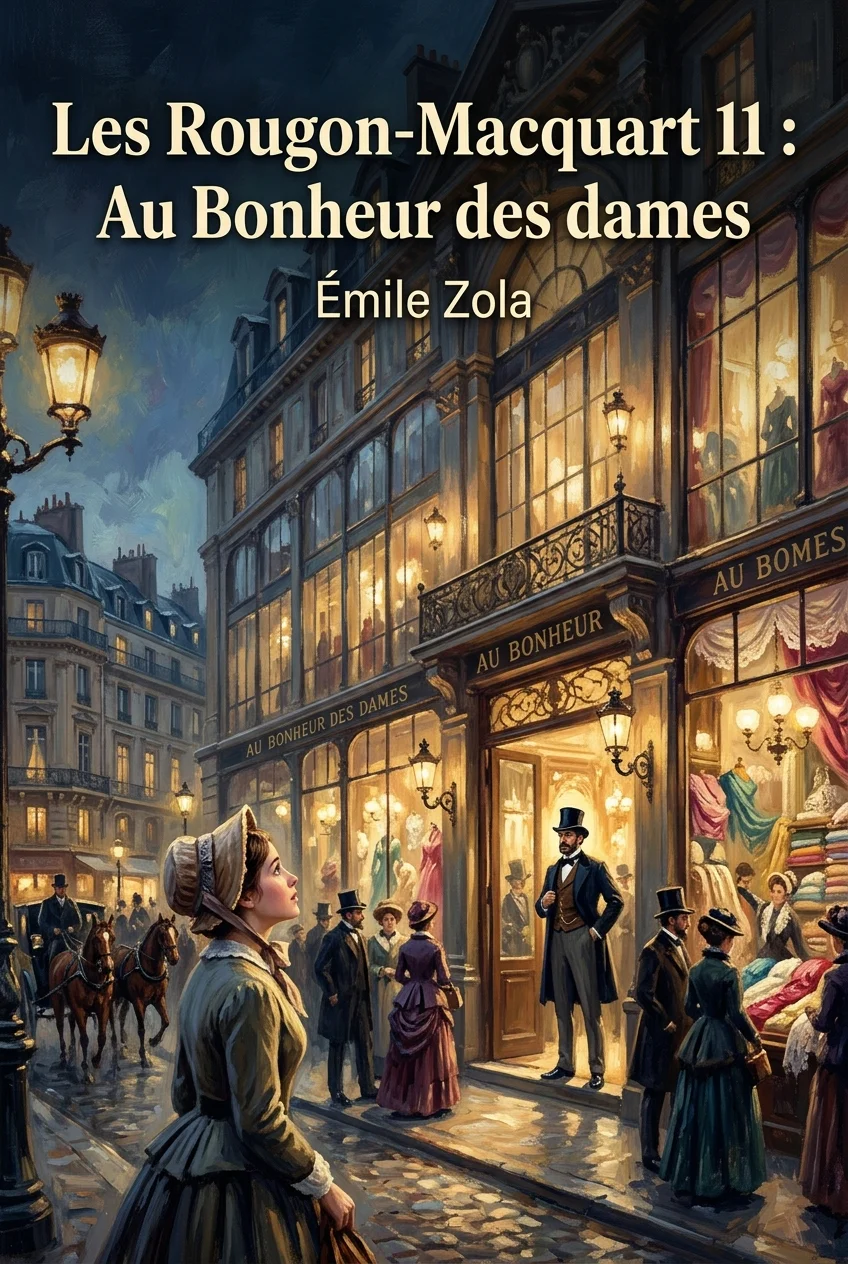
The Rougon-Macquart 11: The Ladies' Paradise

The Rougon-Macquart 11: The Ladies' Paradise

Émile Zola

Immerse yourself in Second Empire Paris with this naturalist masterpiece. Zola narrates the rise of Octave Mouret and his revolutionary department store, a symbol of nascent capitalism. Between the struggle of small shops and the fate of young Denise Baudu, this novel explores the psychology of consumerism and the social shifts of a city in metamorphosis. An epic, visionary fresco of desire, money, and triumphant modernity.

Genre: Literary Fiction
Language: French
Publisher: Kotob Online
Format: eBook, WebBook

Special thanks to Kotob Online (Ali Ben Salah Digital Library) for providing the electronic edition of this book to our platform.

Join Free

Start Reading

Sign up for free to access this book.

About the Author

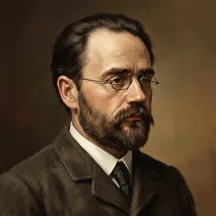
Émile Zola

Émile Zola

1840 - 1902

Émile Édouard Charles Antoine Zola (1840–1902) was a French novelist, playwright, and journalist who remains one of the most influential figures in world literature. He is best known as the practitioner and theorist of naturalism, a movement that sought to apply scientific principles of observation and heredity to fiction.

Born in Paris and raised in Aix-en-Provence, Zola faced early poverty after the death of his father, an Italian engineer. His childhood friendship with the painter Paul Cézanne deeply influenced his artistic sensibilities, while his early career in the publishing house Hachette allowed him to observe the literary market and hone his craft as a journalist. These experiences in the gritty urban landscape of Paris provided the foundation for his massive twenty-volume series, Les Rougon-Macquart, which tracked the environmental and genetic influences on a single family during the Second French Empire.

Beyond his literary output, Zola was a courageous social critic who risked his career and safety to defend Alfred Dreyfus, a Jewish officer falsely accused of treason. His 1898 open letter, J'Accuse...!, published in the newspaper L'Aurore, remains a landmark document in the history of human rights and the role of the public intellectual. Zola died in 1902 under suspicious circumstances involving carbon monoxide poisoning, leaving behind a legacy of uncompromising realism that transformed the modern novel.

Essential Reading

  • Abbé Mouret's Transgression (1875): This novel explores the conflict between religious devotion and natural desire as a young priest falls in love while suffering from amnesia in a lush, overgrown garden.
  • Germinal (1885): Widely considered his masterpiece, this brutal depiction of a coal miners' strike in northern France captures the harsh realities of class struggle and industrialization.
  • L'Assommoir (1877): Focusing on the devastating effects of alcoholism and poverty in Parisian slums, this work brought Zola immense fame and established the commercial viability of naturalism.
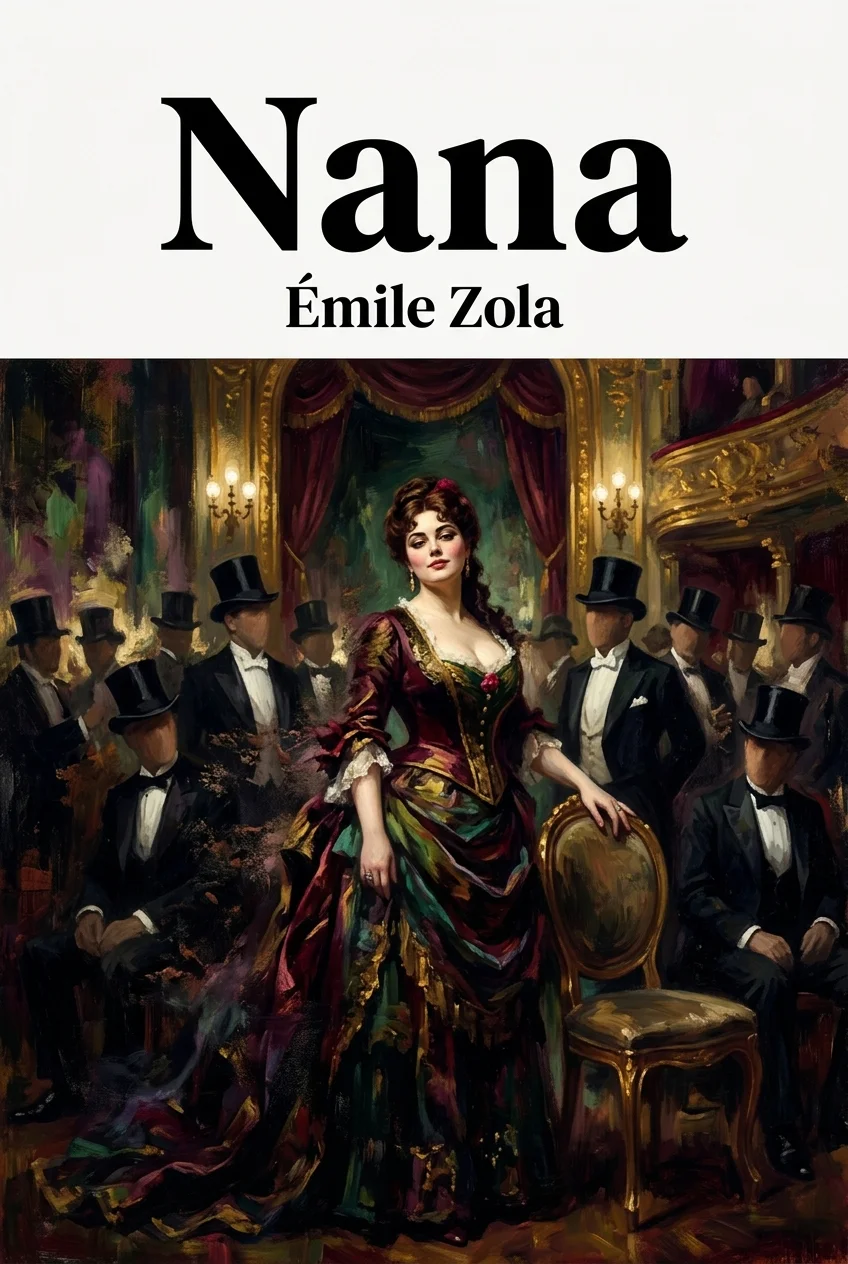
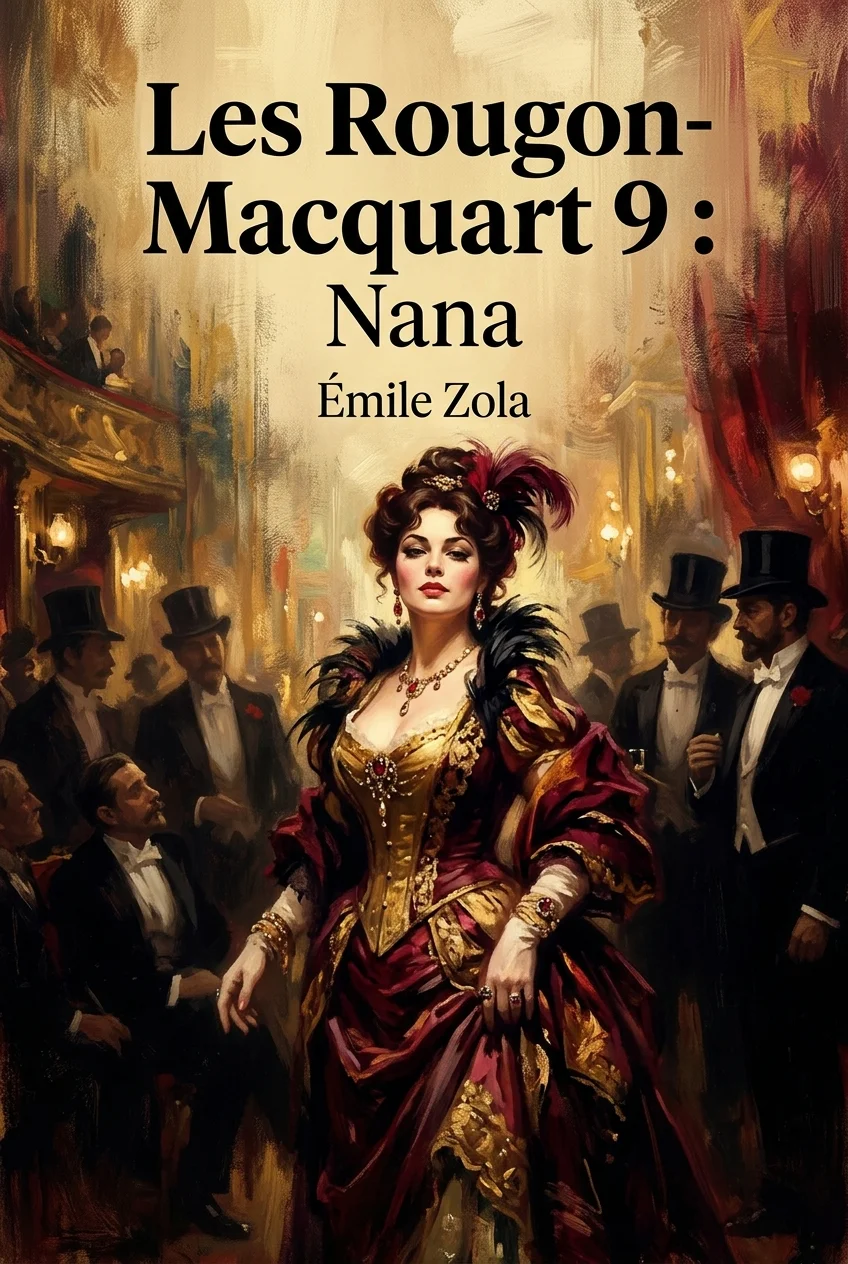
  • Nana (1880): This provocative novel traces the rise and fall of a high-class courtesan, serving as a symbolic critique of the moral decay and corruption of the Second Empire.
Read more about the author

More from this Author

More in Literary Fiction

Top Read This Month

Top Read All Time