


Émile Zola
1840 – 1902
French
56 booksBiography
Émile Édouard Charles Antoine Zola (1840–1902) was a French novelist, playwright, and journalist who remains one of the most influential figures in world literature. He is best known as the practitioner and theorist of naturalism, a movement that sought to apply scientific principles of observation and heredity to fiction.
Born in Paris and raised in Aix-en-Provence, Zola faced early poverty after the death of his father, an Italian engineer. His childhood friendship with the painter Paul Cézanne deeply influenced his artistic sensibilities, while his early career in the publishing house Hachette allowed him to observe the literary market and hone his craft as a journalist. These experiences in the gritty urban landscape of Paris provided the foundation for his massive twenty-volume series, Les Rougon-Macquart, which tracked the environmental and genetic influences on a single family during the Second French Empire.
Beyond his literary output, Zola was a courageous social critic who risked his career and safety to defend Alfred Dreyfus, a Jewish officer falsely accused of treason. His 1898 open letter, J'Accuse...!, published in the newspaper L'Aurore, remains a landmark document in the history of human rights and the role of the public intellectual. Zola died in 1902 under suspicious circumstances involving carbon monoxide poisoning, leaving behind a legacy of uncompromising realism that transformed the modern novel.
Essential Reading
- Abbé Mouret's Transgression (1875): This novel explores the conflict between religious devotion and natural desire as a young priest falls in love while suffering from amnesia in a lush, overgrown garden.
- Germinal (1885): Widely considered his masterpiece, this brutal depiction of a coal miners' strike in northern France captures the harsh realities of class struggle and industrialization.
- L'Assommoir (1877): Focusing on the devastating effects of alcoholism and poverty in Parisian slums, this work brought Zola immense fame and established the commercial viability of naturalism.
- Nana (1880): This provocative novel traces the rise and fall of a high-class courtesan, serving as a symbolic critique of the moral decay and corruption of the Second Empire.
Books in the Library

Une page d'amour
Français
Thérèse Raquin
Français
Son Excellence Eugène Rougon
Français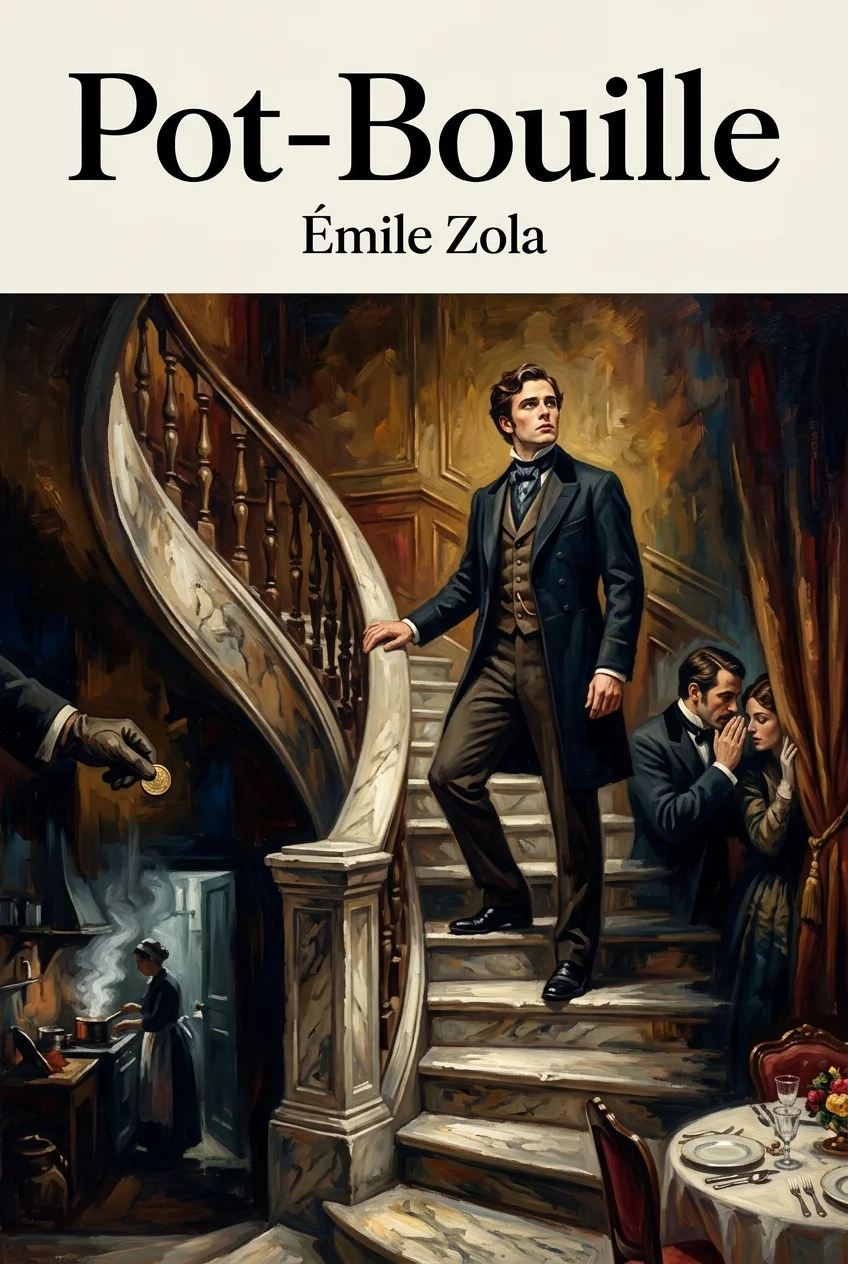
Pot-Bouille
Français
Nouveaux contes à Ninon
Français
Nantas
Français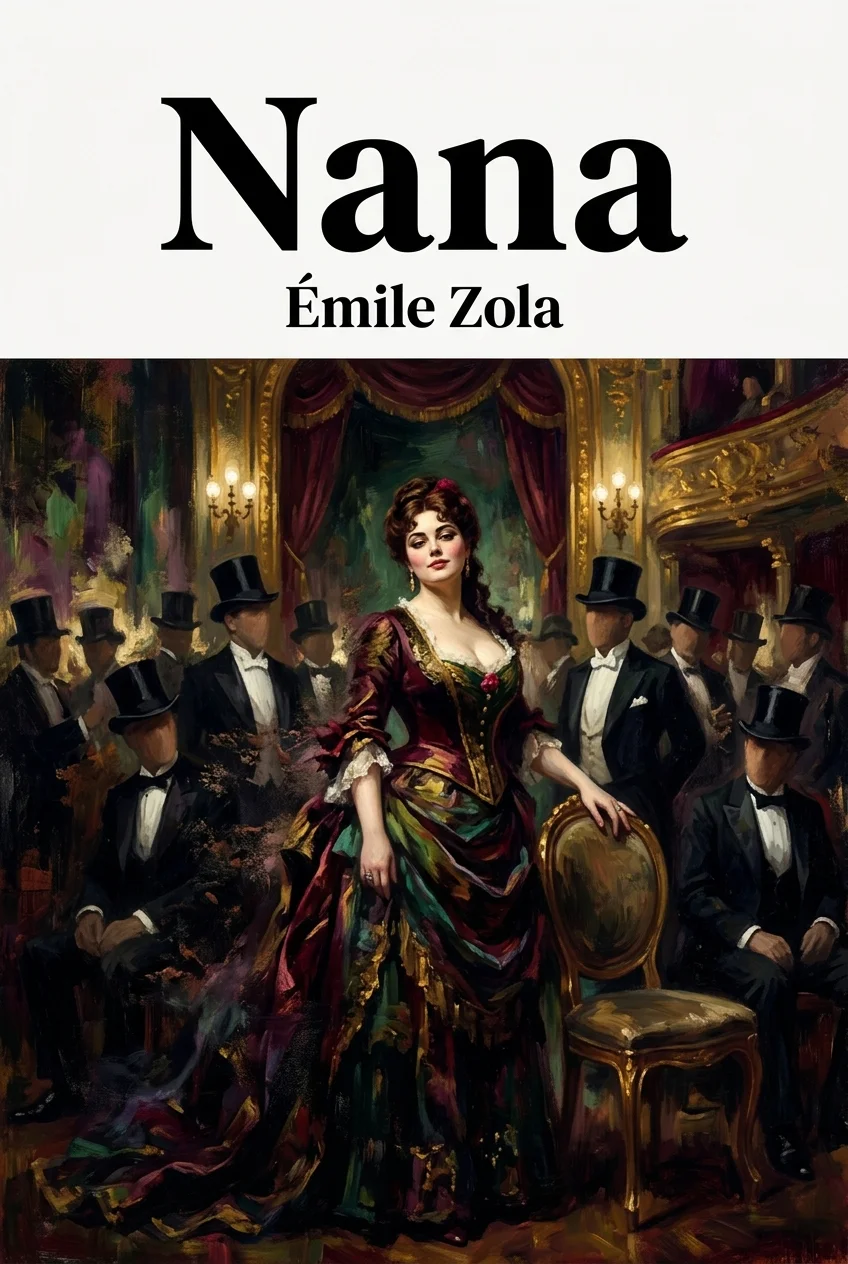
Nana
Français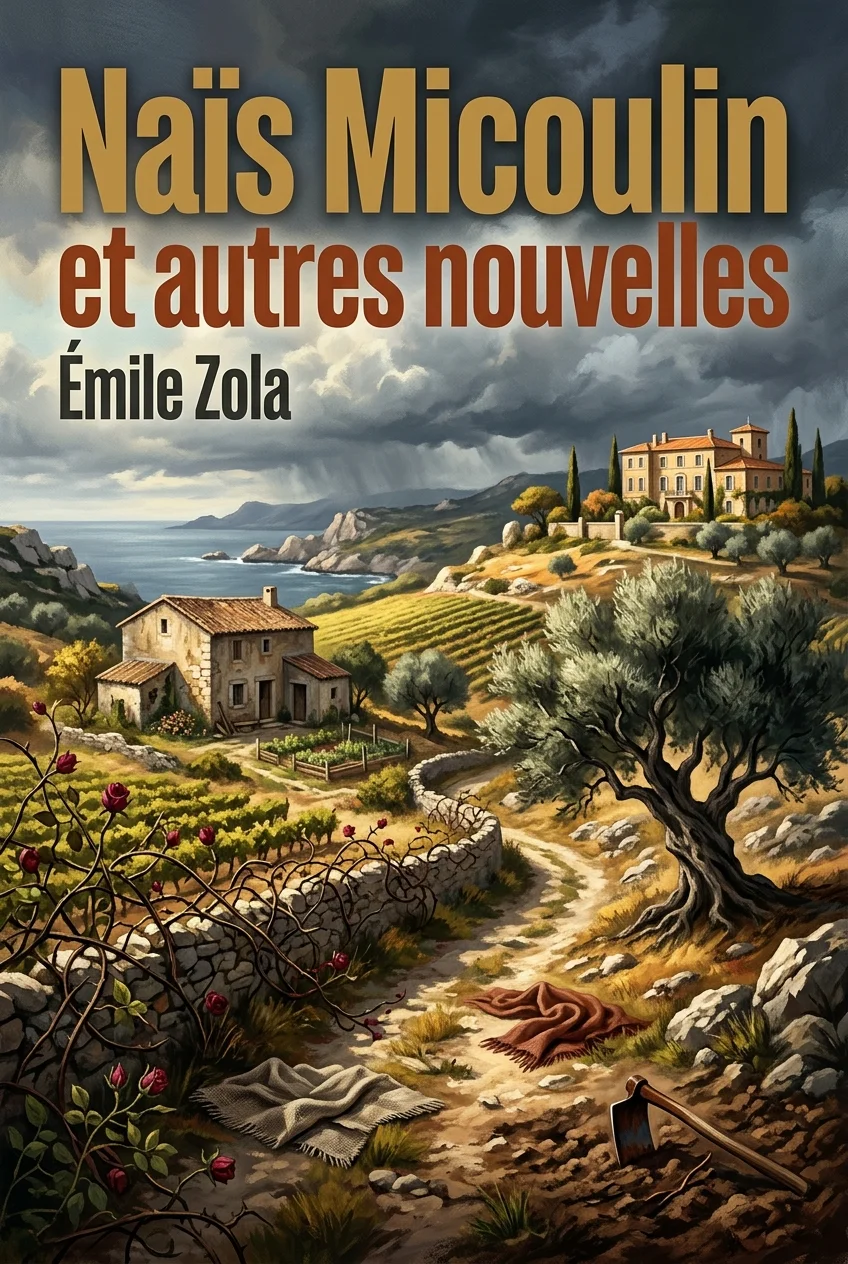
Naïs Micoulin et autres nouvelles
Français
Madeleine Férat
Français
Les trois villes: 1-Lourdes
Français
Les trois villes: 2- Rome
Français
Les trois villes: 3 - Paris
Français
Les Rougon-Macquart 2 : La curée
Français
Les Rougon-Macquart 1 : La fortune des Rougon
Français
Les Rougon-Macquart 4 : La conquête de Plassans
Français
Les Rougon-Macquart 3 : Le Ventre de Paris
Français
Les Rougon-Macquart 20 : Le docteur Pascal
Français
Les Rougon-Macquart 19 : La débâcle
Français
Les Rougon-Macquart 18 : L'argent
Français
Les Rougon-Macquart 17 : La bête humaine
Français
Les Rougon-Macquart 16 : Le rêve
Français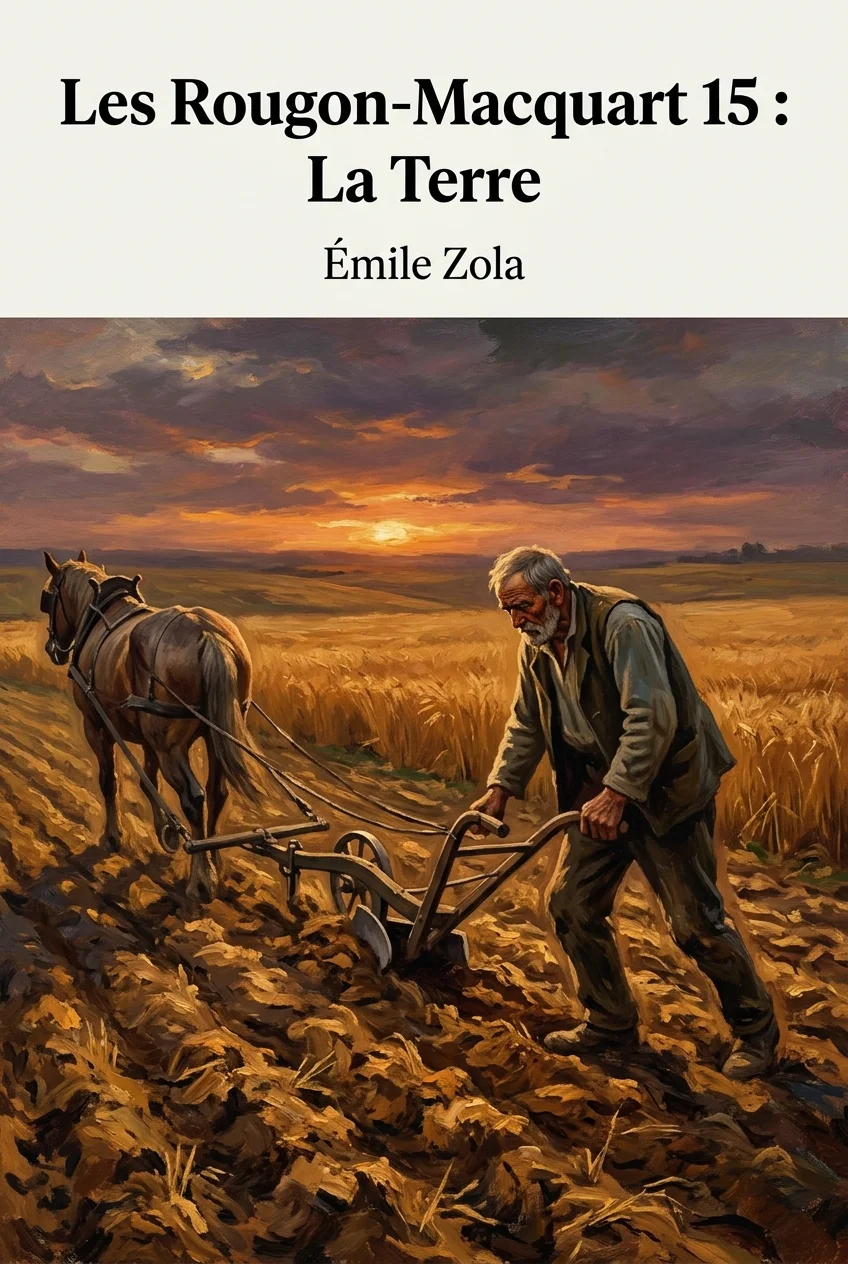
Les Rougon-Macquart 15 : La Terre
Français
Les Rougon-Macquart 14 : L’œuvre
Français
Les Rougon-Macquart 13 : Germinal
Français
Les Rougon-Macquart 12 : La joie de vivre
Français
Les Rougon-Macquart 11 : Au Bonheur des dames
Français
Les Rougon-Macquart 10 : Pot-Bouille
Français
Les Rougon-Macquart 9 : Nana
Français
Les Rougon-Macquart 8 : Une page d'amour
Français
Les Rougon-Macquart 7 : L’Assommoir
Français
Les Rougon-Macquart 6 : Son Excellence Eugène Rougon
Français
Les Rougon-Macquart 5 : La faute de l'abbé Mouret
Français
Les mystères de Marseille
Français
Le voeu d'une morte
Français
Le Ventre de Paris
Français
Le Rêve
Français
Le Docteur Pascal
Français
Le Capitaine Burle et autres nouvelles
Français
La Terre
Français
La Mort d'Olivier Bécaille
Français
La Joie de vivre
Français
La Fortune des Rougon
Français
La Faute de l'abbé Mouret
Français
La Débâcle
Français
La Curée
Français
La Conquête de Plassans
Français
La confession de Claude
Français
La Bête humaine
Français
L'Oeuvre
Français
L'inondation et autres nouvelles
Français
L'Assommoir
Français
L'Argent
Français
Germinal
Français
Contes à Ninon
Français
Au bonheur des dames
Français