Book Catalog
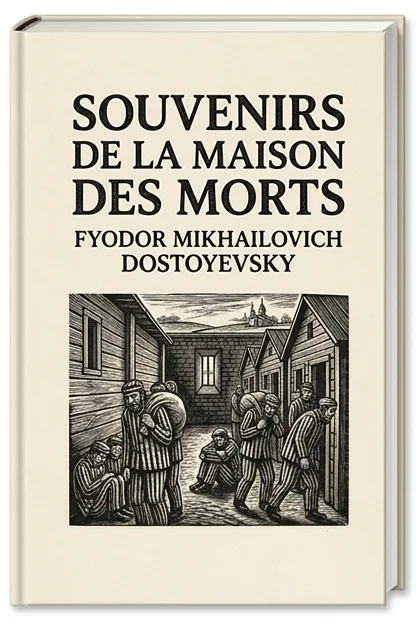
The House of the Dead

The House of the Dead

Fyodor Dostoevsky

Dive into the hell of a Siberian penal colony with this masterful account by Dostoevsky. Balancing raw realism and deep compassion, the author probes the human soul in the face of abjection, exploring themes of dignity, social fracture, and resilience. This semi-autobiographical testimony, a cornerstone of prison literature, offers a profound philosophical reflection on freedom and redemption. An essential read for enthusiasts of psychology and Russian classics in search of absolute human truth.

Genre: Literary Fiction, Fiction, Classic Literature
Language: French
Format: eBook, WebBook
Join Free

Start Reading

Sign up for free to access this book.

About the Author

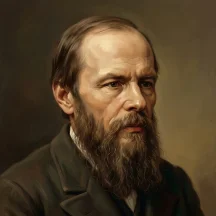
Fyodor Dostoevsky

Fyodor Dostoevsky

1821 - 1881

Russian novelist, philosopher, and essayist (1821 to 1881). Fyodor Mikhailovich Dostoevsky was a titan of world literature whose work peered into the most turbulent depths of the human psyche. He mapped the chaotic terrain of consciousness long before the advent of modern psychology. His life was marked by extreme highs and devastating lows, including a 1849 mock execution and subsequent exile to a Siberian labor camp. This brush with death and years of suffering acted as a spiritual crucible, transforming him into a writer obsessed with the themes of redemption, suffering, and the search for God.

His intellectual legacy is defined by a relentless exploration of the human condition through the lens of Orthodox Christianity. Dostoevsky challenged the growing tide of nihilism and rationalism in 19th-century Russia, arguing that human beings are fundamentally irrational and driven by a need for moral and spiritual freedom. He pioneered the polyphonic novel, a narrative structure where multiple characters possess distinct, fully developed worldviews that clash without a single "authoritative" voice resolving the conflict. His work remains a profound meditation on the existence of evil, the nature of guilt, and the possibility of grace in a fractured world.

Dostoevsky’s influence is immeasurable, shaping the course of existentialism, theology, and literary theory. He possessed a unique ability to find the divine within the grotesque and the hopeful within the desperate. His writing serves as a bridge between the clinical observation of realism and the mystical heights of the spirit.

His most acclaimed works include Crime and Punishment (1866), a piercing study of conscience and crime, The Idiot (1868), The Brothers Karamazov (1880), Notes from Underground (1864), and Demons (1872).

Read more about the author

More from this Author

More in Literary Fiction

Top Read This Month

Top Read All Time