


Mendel the Bibliophile and Other Stories
In this collection, Stefan Zweig weaves poignant portraits of memory and loss. Through "Buchmendel," a bookseller with an encyclopedic memory, Zweig explores the human soul's struggle against the horrors of war. The book documents the breaking of creative spirits and the fragility of beauty against materialism, offering a journey that combines a love for books with deep psychological analysis of characters who, though marginalized, possess invaluable knowledge.

Special thanks to Kotob Online (Ali Ben Salah Digital Library) for providing the electronic edition of this book to our platform.
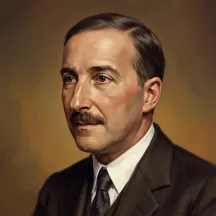
About the Author
More in Short Stories











Top Read This Month








Top Read All Time

الحرّيّة الدينيّة بين النظريّة والواقع

The Adventures of Sherlock Holmes

بكرا مرق
الإخوة كارامازوف

Adventures of Huckleberry Finn

القرآن الكريم

من أجل فهم الليتورجيا وعيشها

Short Stories of Dostoyevsky

The Prince

رسالة في معرفة النفس الناطقة وأحوالها
الشهداء بذار الكنيسة
