1876 - 1916
John Griffith London (b. 1876) was an American novelist, journalist, and social activist who became one of the first worldwide literary celebrities. He was a pioneer of commercial fiction and American magazine literature, widely celebrated for his vivid adventure stories set in harsh environments. His defining contribution to literature lies in his masterful depictions of naturalism, human survival against severe nature, and the raw dynamics between humans and animals.
Born in San Francisco, California, London experienced a working-class youth marked by financial hardship, working as an oyster pirate, sailor, and cannery laborer. In 1897, he joined the Klondike Gold Rush in northwestern Canada, an arduous expedition that heavily influenced his literary career despite yielding little physical gold. His harrowing experiences in the Yukon provided the rich thematic background and gritty realism for many of his most famous wilderness tales.
Throughout his career, London was an outspoken advocate for social justice whose political beliefs informed his writing on working conditions and class struggles. He traveled extensively across the Pacific Ocean on his custom sailboat and covered major historical events as a war correspondent during the Russo-Japanese War in 1904. Before his death in 1916 in Glen Ellen, California, he published over fifty books and hundreds of short stories, establishing a lasting legacy in world literature.
Essential Reading
- The Sun-Dog Trail (آثار الشمس الكاذبة) (1905): A captivating Yukon adventure that explores themes of mystery, endurance, and human motivation in the arctic wilderness.
- A Day's Lodging (إقامة يوم واحد) (1907): A tense short story portraying an unexpected psychological confrontation between travelers trapped inside a remote snowbound cabin.
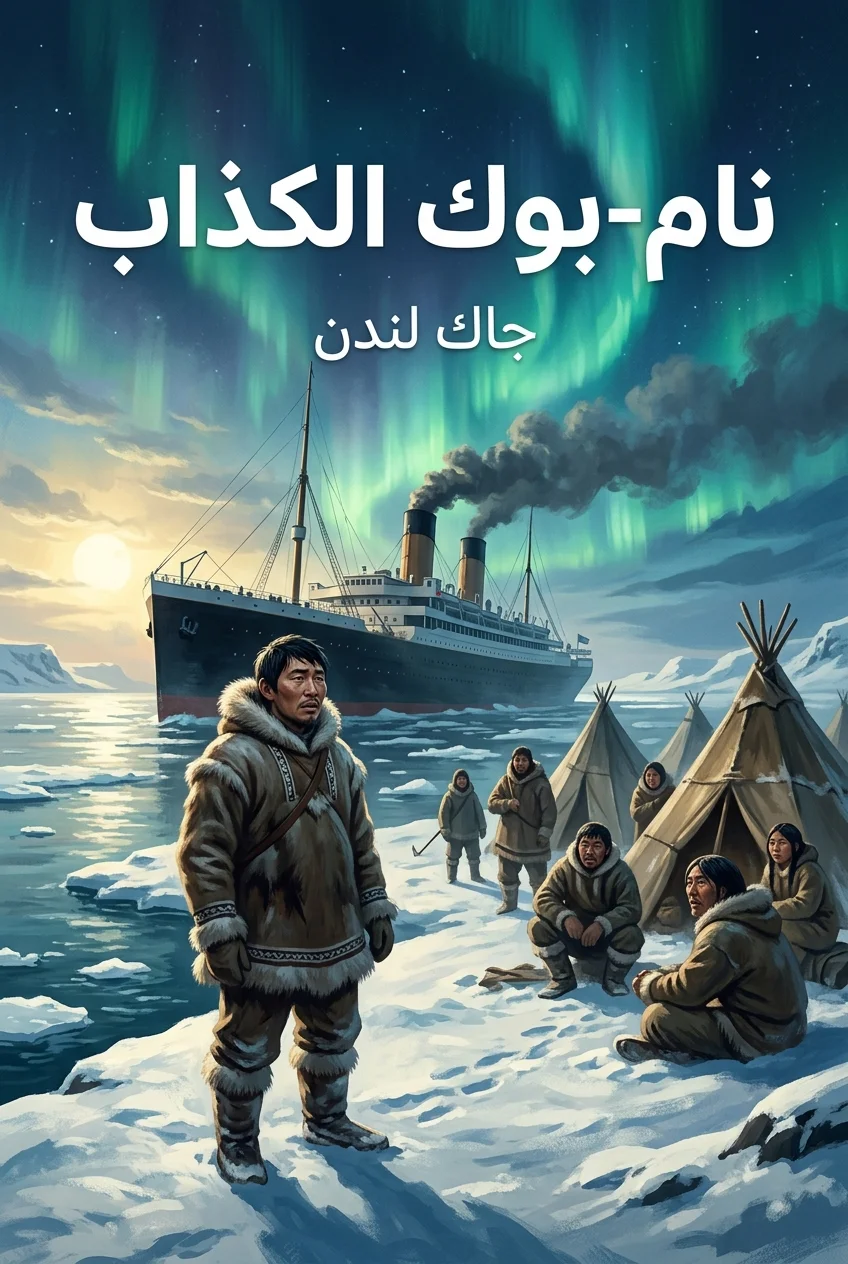
- Nam-Bok the Liar (نام-بوك الكذاب) (1902): A thought-provoking narrative about an Indigenous traveler returning home with incredible accounts of modern industrial civilization that his village refuses to believe.
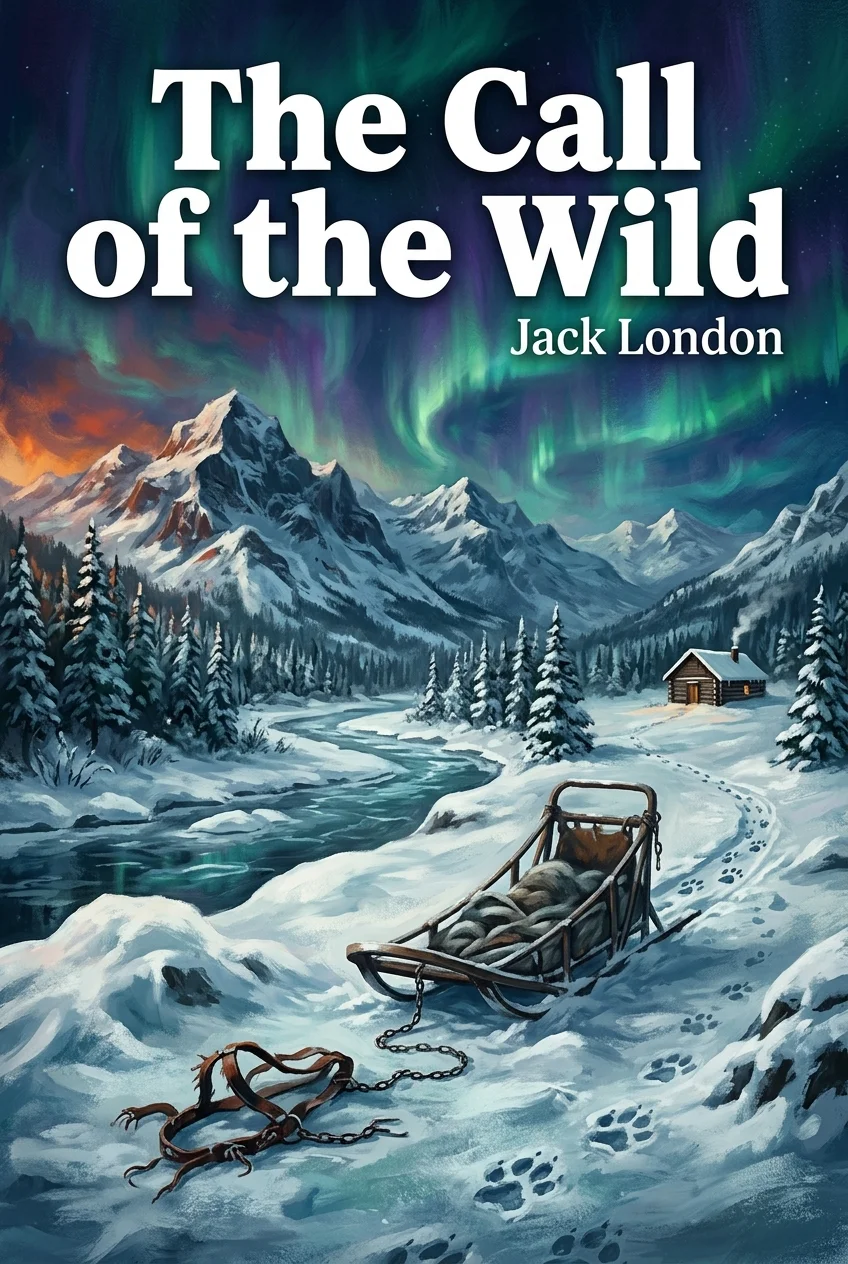
- The Call of the Wild (1903): An iconic masterpiece following a domesticated dog named Buck who learns to adapt and survive in the brutal Yukon gold rush environment.