1927 - 1991
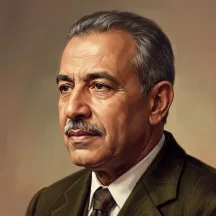
Youssef Idris (1927–1991) was an Egyptian physician, playwright, and author, widely considered a pioneer of the modern Arabic short story. He revolutionized Arabic literature by blending eloquent prose with Egyptian colloquial dialogue to capture the authentic voice of the working class. His realistic and often controversial writings earned international acclaim and multiple nominations for the Nobel Prize in Literature.
Born in the Nile Delta, Idris studied medicine at Cairo University and worked as a doctor in Cairo before devoting himself entirely to his literary career. His medical background gave him a precise, deeply empathetic clinical understanding of human suffering, which significantly influenced his realistic themes.
His active political stances against British colonialism and local regimes led to his imprisonment for several periods throughout the 1950s. These experiences of detention and censorship shaped his lifelong advocacy for personal freedom and social justice.
Major Works
- The Cheapest Nights (أرخص ليالي) (1954): Stories depicting the struggles of the poor working class in Egypt.
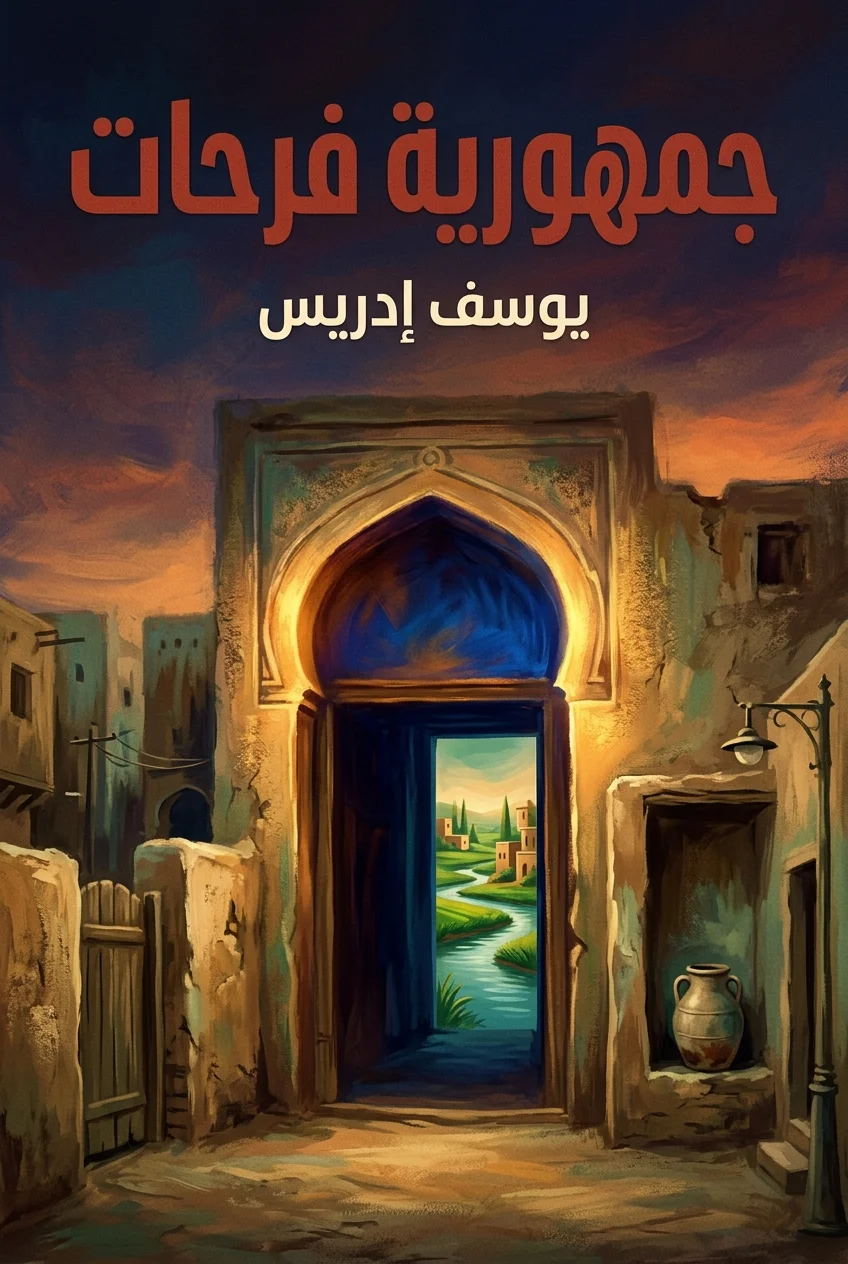
- Farahat's Republic (جمهورية فرحات) (1956): A satirical work exploring bureaucratic absurdity and citizens' dreams.
- The Hero (البطل) (1957): Stories highlighting the silent heroism in the daily lives of the marginalized.
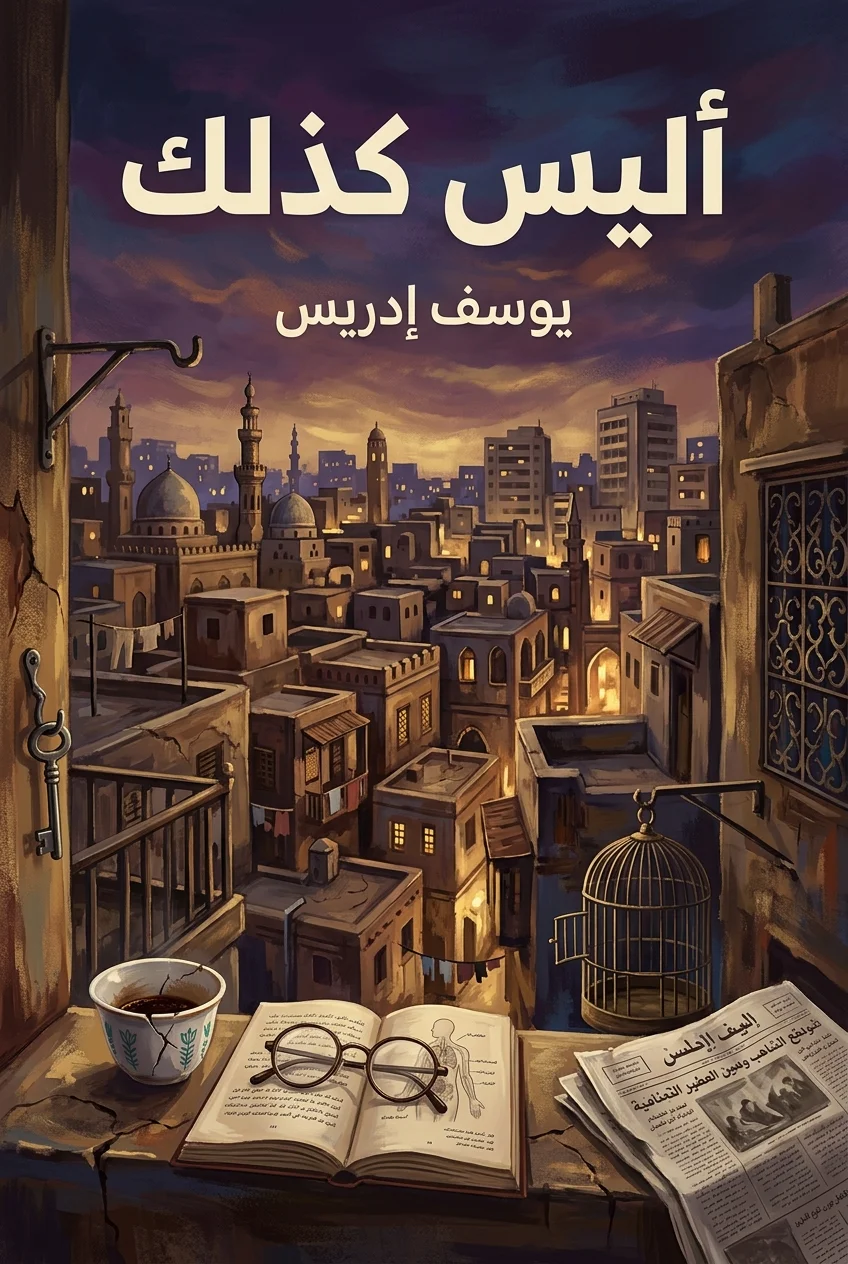
- Isn't That So? (أليس كذلك) (1957): Realistic stories questioning social norms and human relationships.
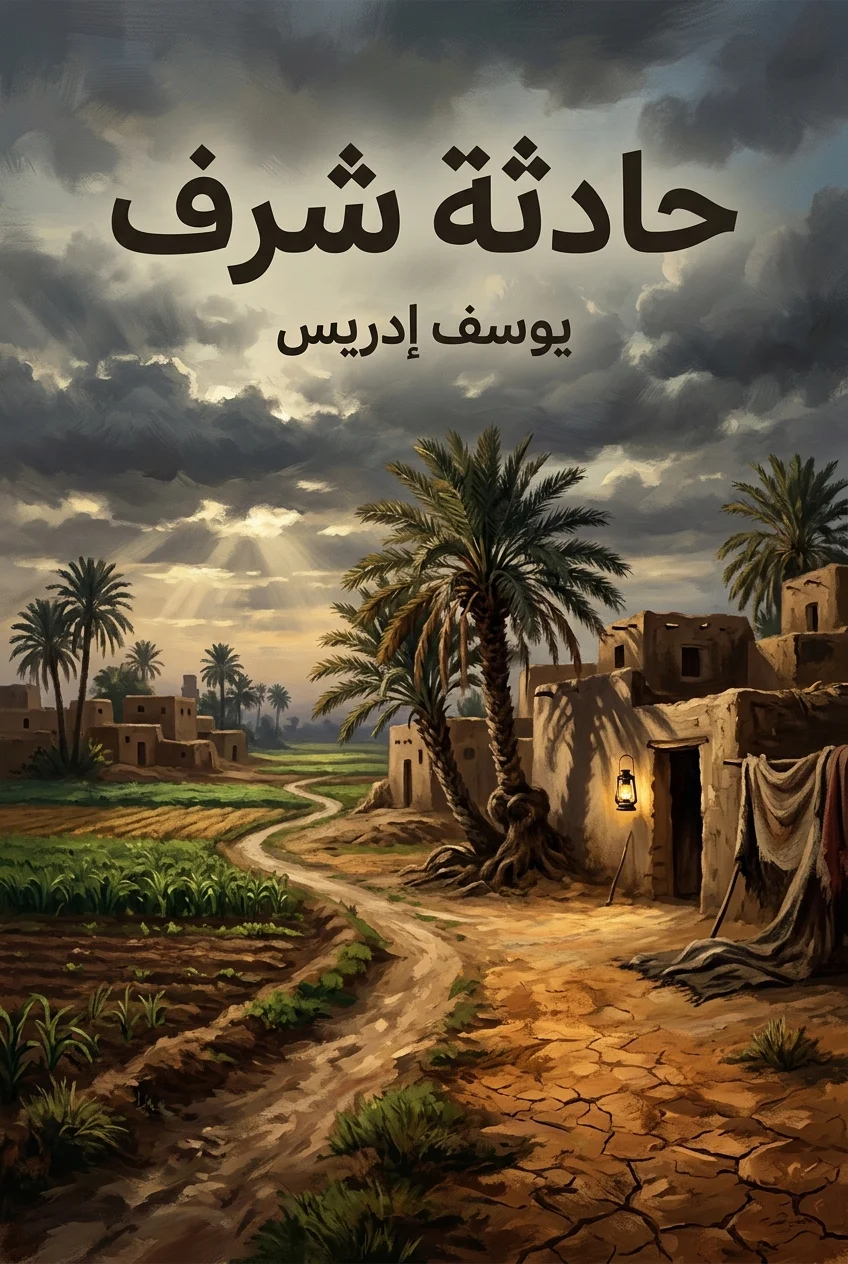
- An Affair of Honor (حادثة شرف) (1958): An exploration of the concept of honor and hypocrisy in traditional Egyptian villages.
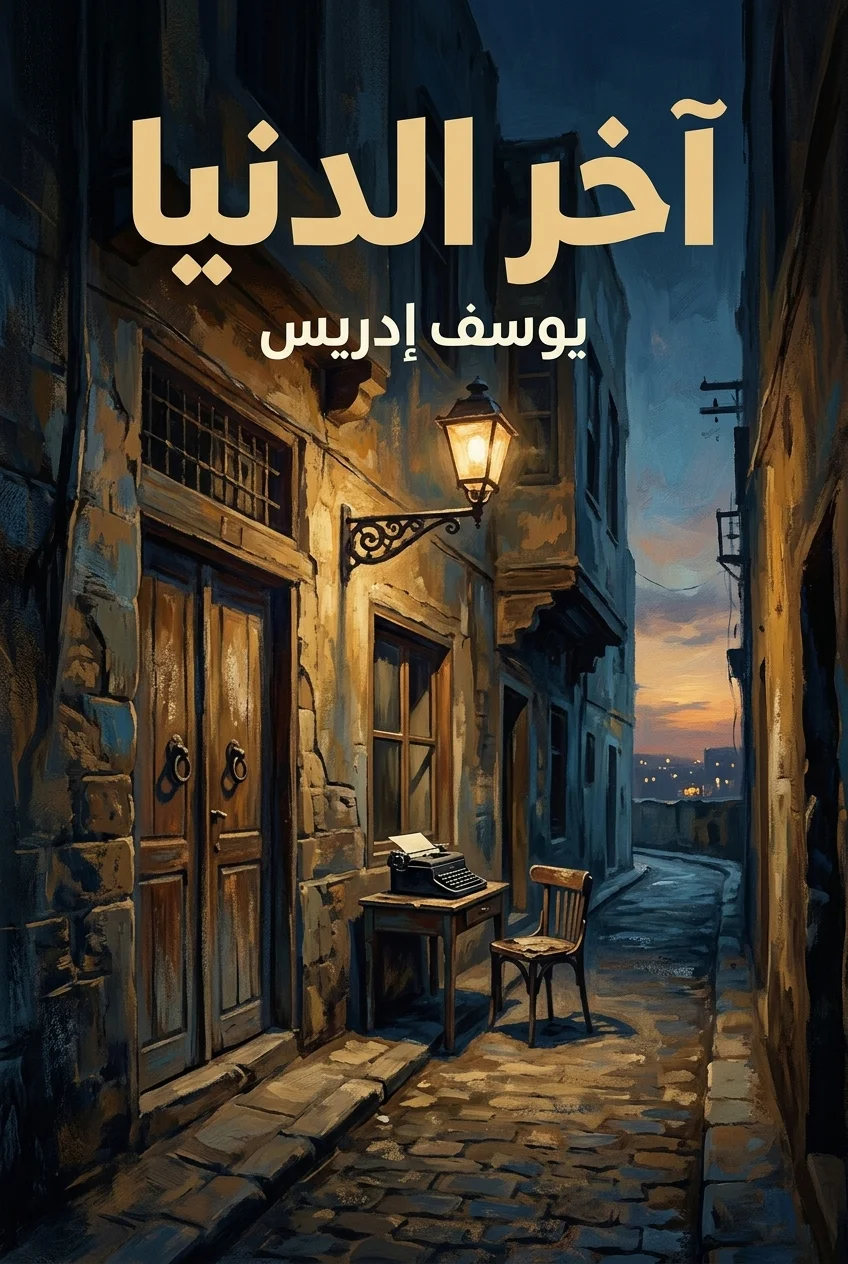
- The End of the World (آخر الدنيا) (1961): A collection diving into existential themes and alienation.
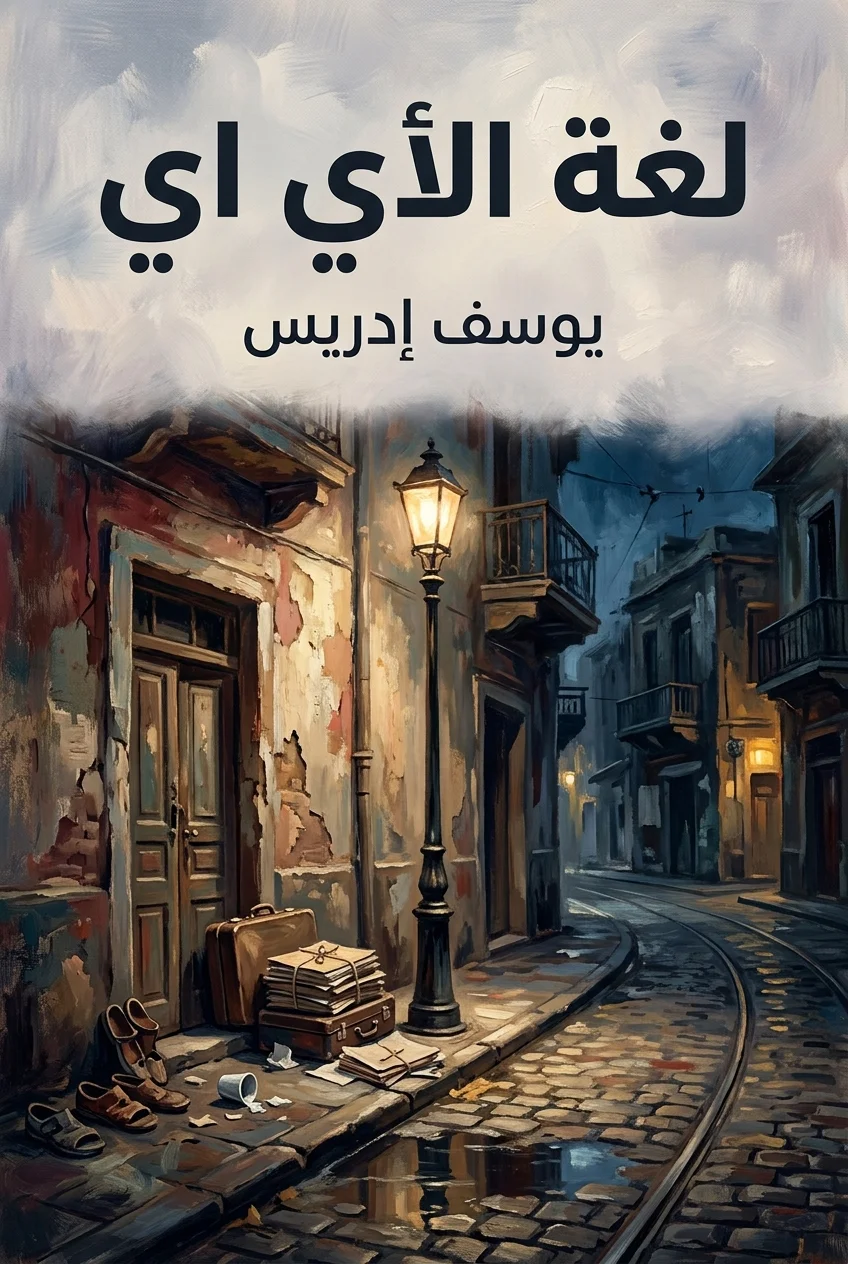
- The Language of Ay-Ay (لغة الآي آي) (1965): Masterful stories depicting physical pain and social inequality.
- The Siren (النداهة) (1969): A symbolic study of the destructive allure of modern city life.
- House of Flesh (بيت من لحم) (1971): A daring collection exploring poverty and moral compromises.
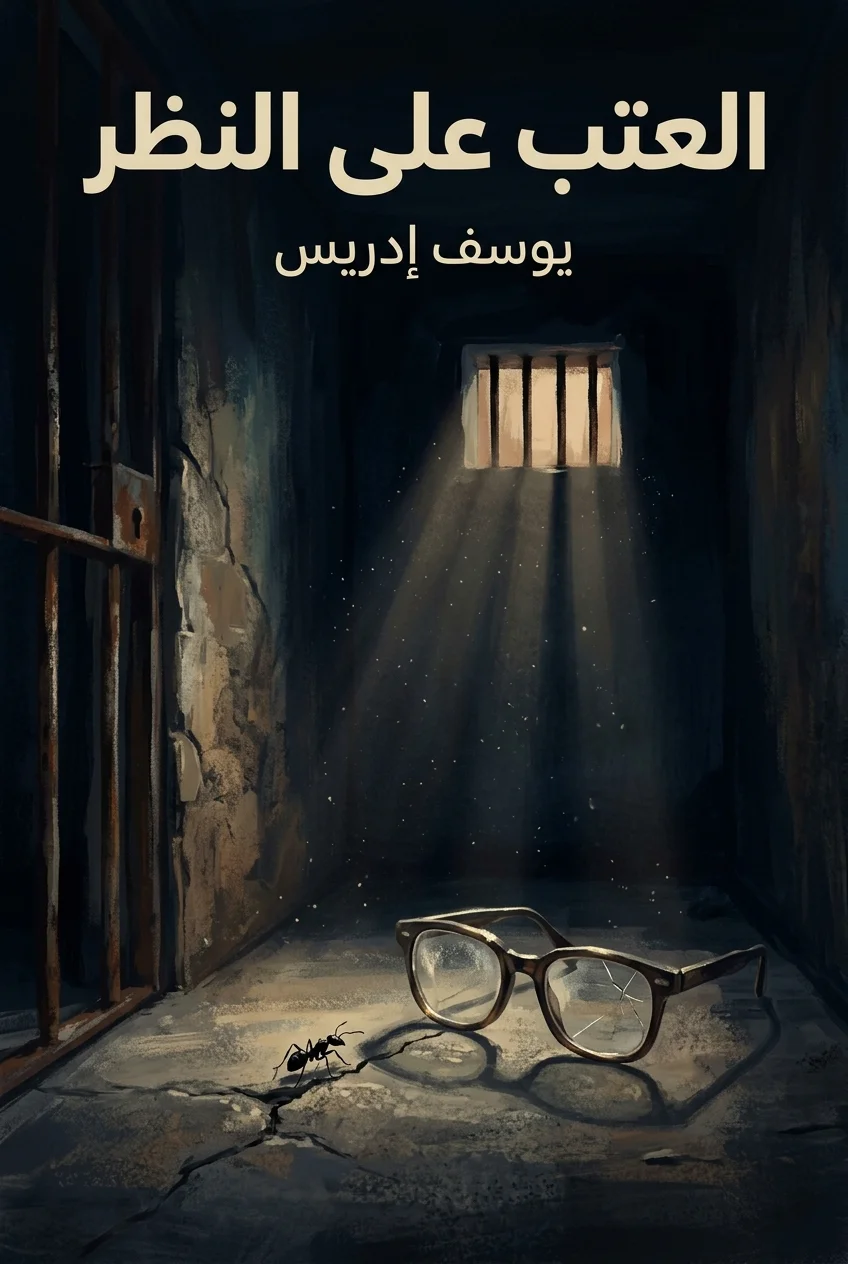
- Blame It on Sight (العتب على النظر) (1980): Stories dealing with perception, aging, and human connections.
- Kill Her (اقتلها) (1982): A dramatic narrative focusing on intense psychological tension.
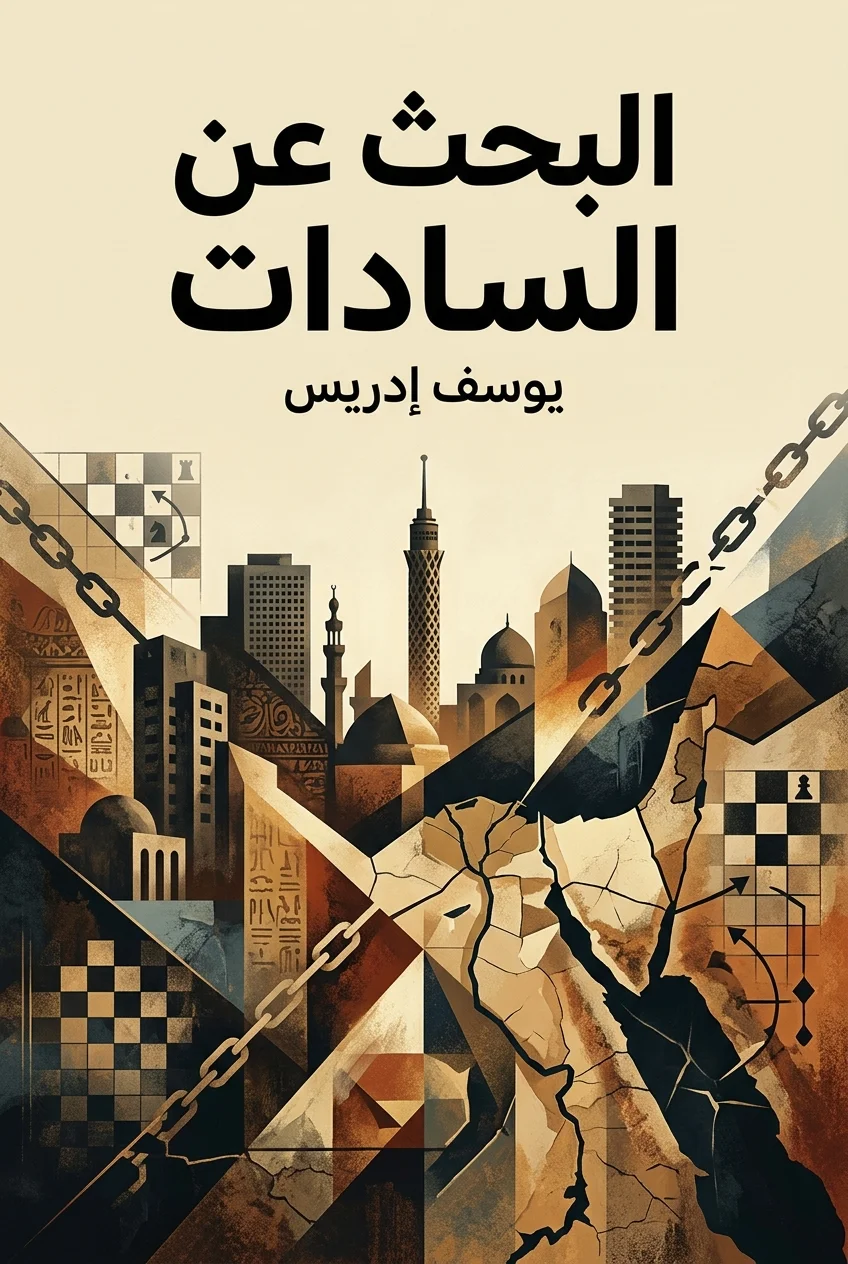
- In Search of Sadat (البحث عن السادات) (1984): Essays reflecting on Anwar Sadat's presidency.
- The Will (الإرادة) (1984): Essays emphasizing the power of human will.
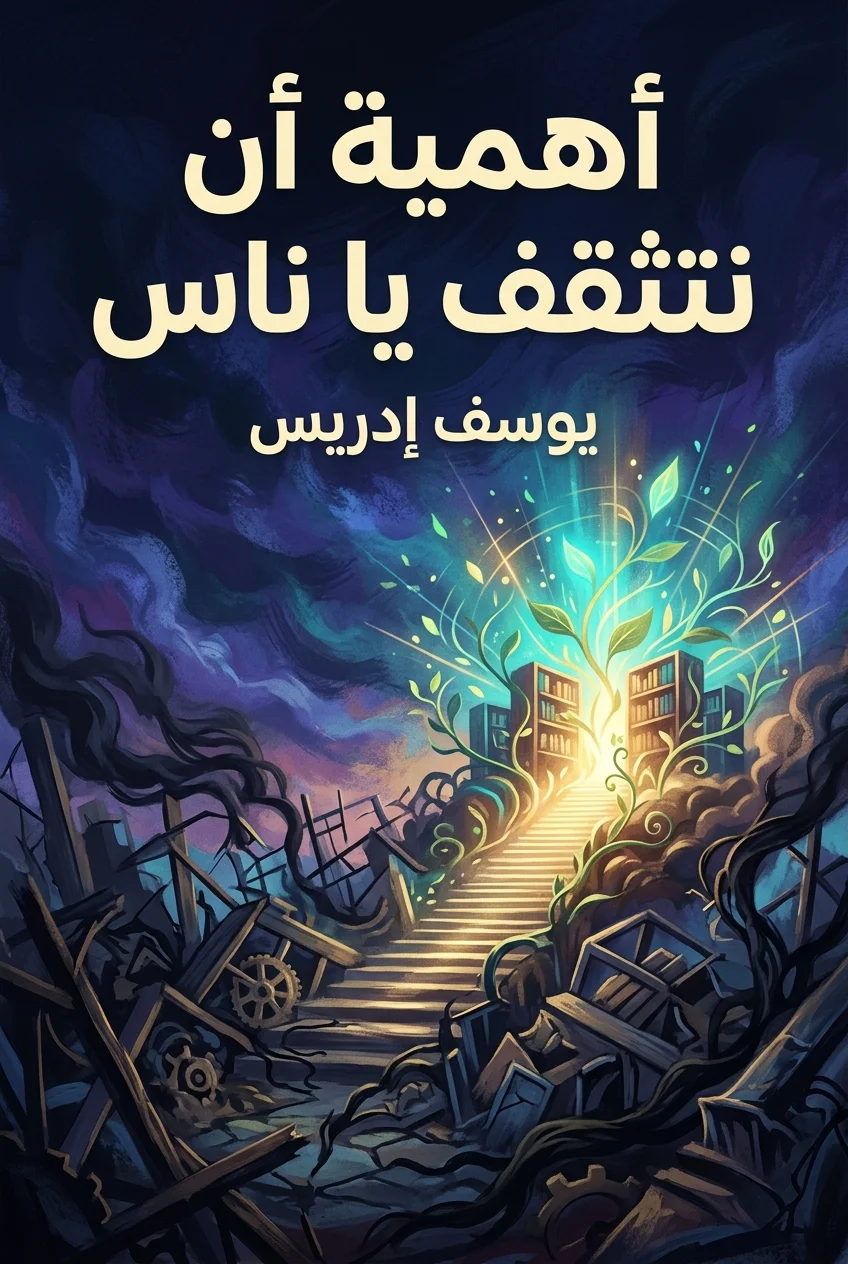
- The Importance of Being Educated, People (أهمية أن نتثقف يا ناس) (1985): A critical work urging the public to embrace intellectual awareness.
- Discovery of a Continent (اكتشاف قارة) (1986): Essays exploring cultural identity through world travel.
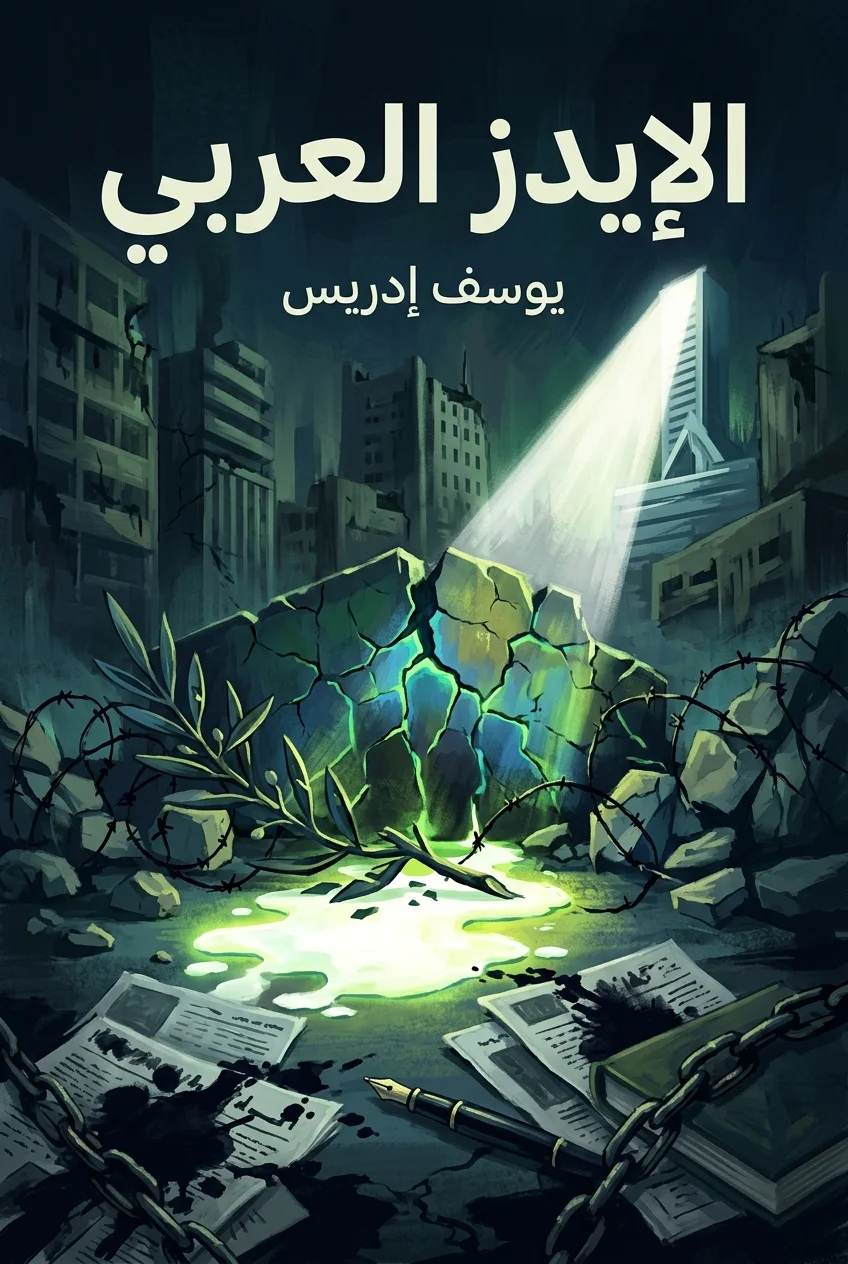
- The Arab AIDS (الإيدز العربي) (1989): A work dealing with political crises in the Arab world.
- The Absent Father (الأب الغائب) (1990): A late-career work reflecting on fatherhood and loss.