1634 - 1693
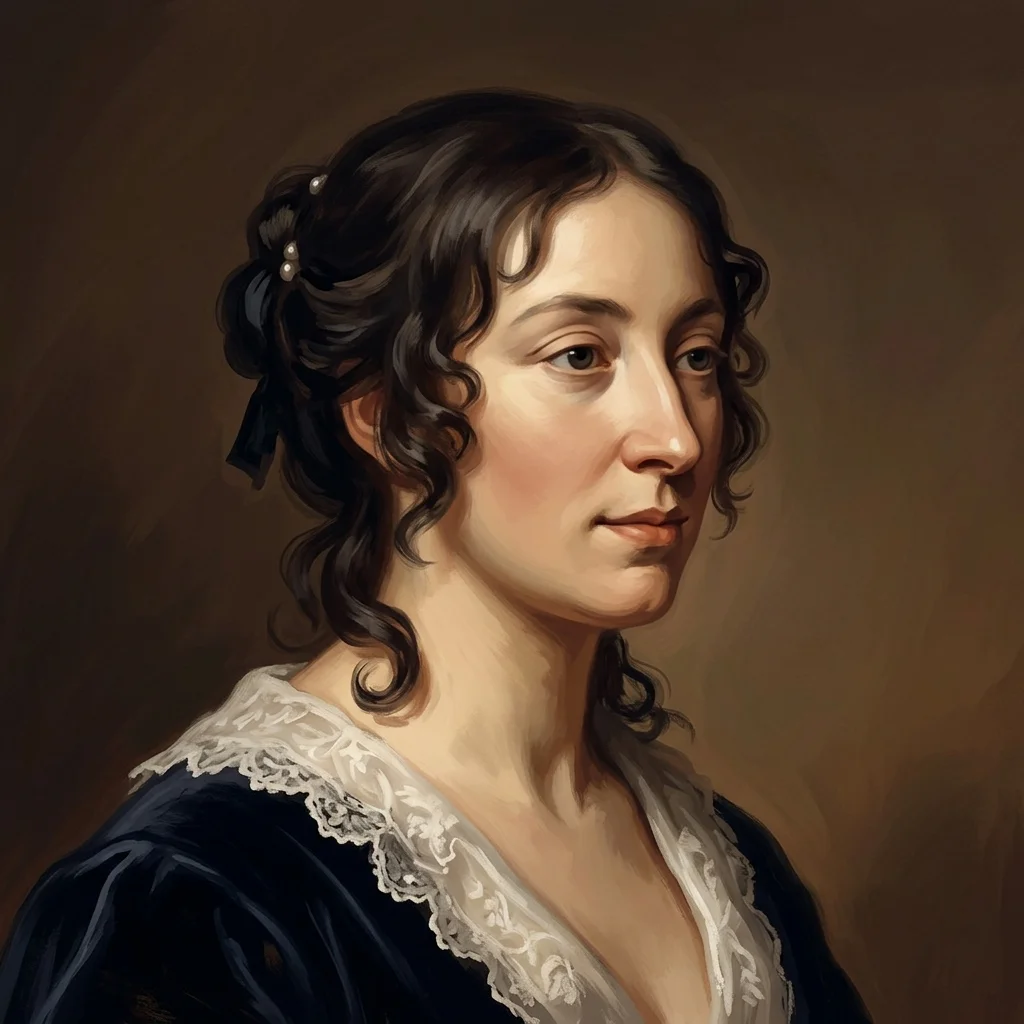
Marie-Madeleine Pioche de La Vergne, Comtesse de La Fayette (1634-1693), was a French woman of letters and salonnière of the Grand Siècle. She is universally recognized for having written the first great novel of psychological analysis in French literature. Her sober style and subtle portrayal of human passions left a lasting mark on Western literary history.
Born in Paris into a family of minor nobility, she received an excellent education and frequented Parisian literary salons from an early age, notably that of the Hôtel de Rambouillet. In 1655, she married the Comte de La Fayette, with whom she temporarily settled in Auvergne before returning to live permanently in Paris in 1659. This return to the capital allowed her to forge crucial friendships with great figures of the era, such as the Marquise de Sévigné and the writer François de La Rochefoucauld.
Her involvement in the court life of Louis XIV and her close relationship with Henrietta of England fueled her keen observation of the political and romantic intrigues of her time. It was in this context of moral rigor and aristocratic splendor that she wrote, often anonymously, works that explored the torments of the heart in the face of the demands of duty. Her pen, influenced by classicism and Jansenism, depicted with remarkable lucidity the permanent tension between individual passion and social conventions.
Essential Readings
- La Princesse de Clèves (1678): This masterpiece of classical literature recounts the inner torments of a young married woman torn between her moral virtue and her devastating passion for the Duc de Nemours.
- ROMANS, LETTRES ET NOUVELLES. (1970): This volume gathers the author's major literary production and correspondence, offering a comprehensive overview of her art of analyzing the human heart through various genres.
- La Princesse de Montpensier (1662): Published anonymously, this historical and psychological novella explores jealousy and the ravages of love at the heart of the sixteenth-century Wars of Religion.