Book Catalog
Colonel Chabert

Colonel Chabert

Honoré de Balzac

Colonel Chabert, a hero of Napoleon left for dead at Eylau, returns to Paris to reclaim his name and his fortune. In a Restoration-era society dominated by wealth and cynicism, he encounters the betrayal of his wife and the pitiless machinery of the law. This masterpiece by Balzac portrays, with shattering force, the struggle between military honor and modern hypocrisy, offering a profound meditation on identity and social ruin.

Genre: Literary Fiction
Language: French
Format: WebBook, eBook
Join Free

Start Reading

Sign up for free to access this book.

About the Author

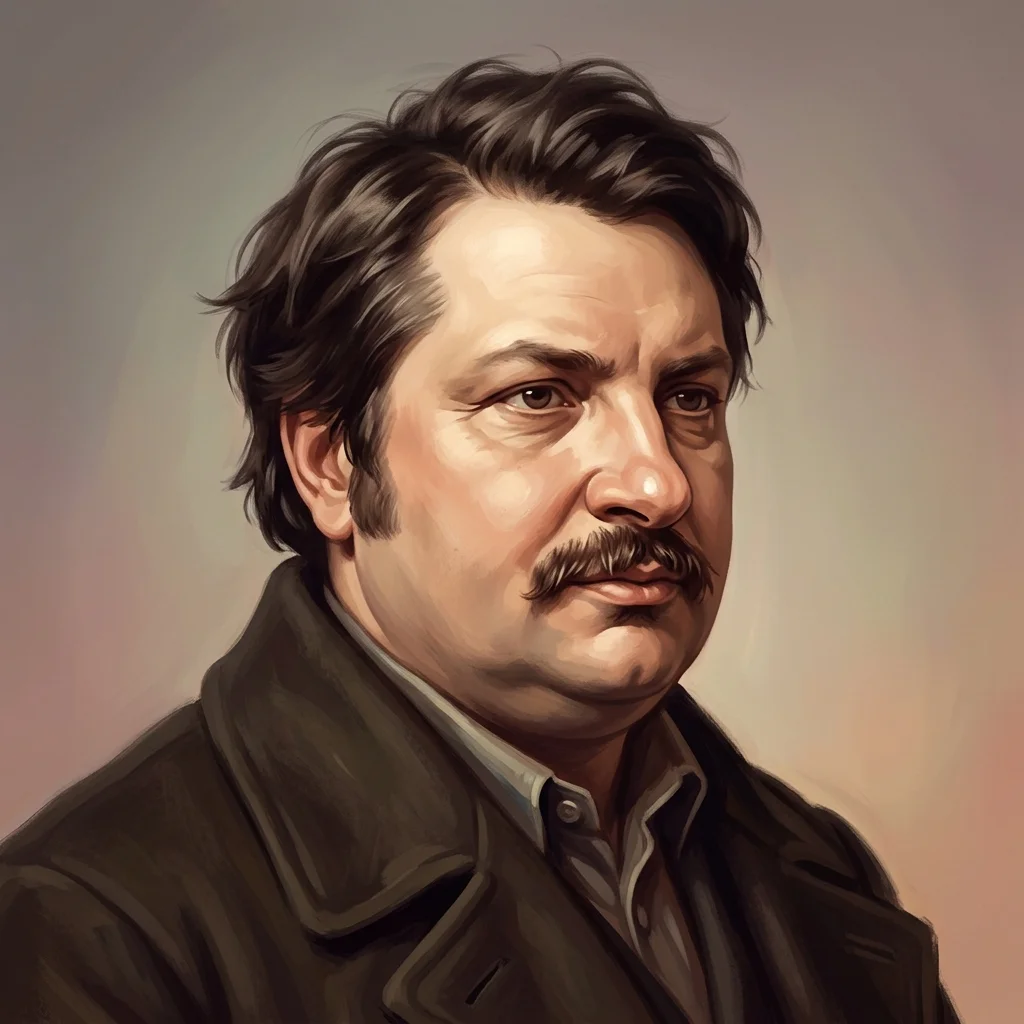
Honoré de Balzac

Honoré de Balzac

1799 - 1850

French novelist and playwright (1799 to 1850). Honoré de Balzac was a titan of world literature and a founding father of literary realism. He possessed an almost superhuman ambition to document every facet of 19th-century French society, a project that culminated in his monumental life's work, The Human Comedy (La Comédie humaine). This vast collection of over ninety interconnected novels and stories served as a panoramic mirror of the human condition during the Restoration and the July Monarchy.

His intellectual legacy is defined by a relentless commitment to social accuracy and psychological depth. He was the first to treat the material world—money, property, and social status—as a driving force in human drama, moving beyond the idealized heroes of Romanticism. Balzac pioneered the innovative technique of recurring characters, creating a living literary universe where a protagonist in one novel might appear as a background witness in another, weaving a dense web of continuity that influenced everyone from Marcel Proust to Henry James.

Balzac’s personal life was as dramatic and exhausting as his fiction. He was famous for a grueling writing schedule, often rising at 1:00 AM to write for sixteen hours a day, fueled by an epic addiction to black coffee (drinking up to fifty cups daily). This obsessive pace was driven by a perpetual need to pay off massive debts from failed business ventures. His emotional life was anchored by a nearly twenty-year correspondence with the Polish countess Eveline Hanska, whom he finally married just five months before his death.

His writing remains a cornerstone of the novel form, celebrated for its "observational genius" and its portrayal of characters who are both types and unique individuals. His most acclaimed works include Le Père Goriot (1835), Eugénie Grandet (1834), Lost Illusions (Illusions perdues, 1837–1843), and The Black Sheep (La Rabouilleuse, 1842).

Read more about the author

More from this Author

More in Literary Fiction
Top Read This Month
Top Read All Time