1903 - 1950
George Orwell (1903–1950), born Eric Arthur Blair, was an English novelist, essayist, and critic widely regarded as one of the most influential political writers of the twentieth century. He is celebrated for his lucid prose style and his profound commitment to democratic socialism, which he used to challenge social injustice and totalitarianism. His literary legacy is defined by his ability to transform political writing into an art form, introducing enduring concepts like Big Brother and thoughtcrime into the global lexicon.
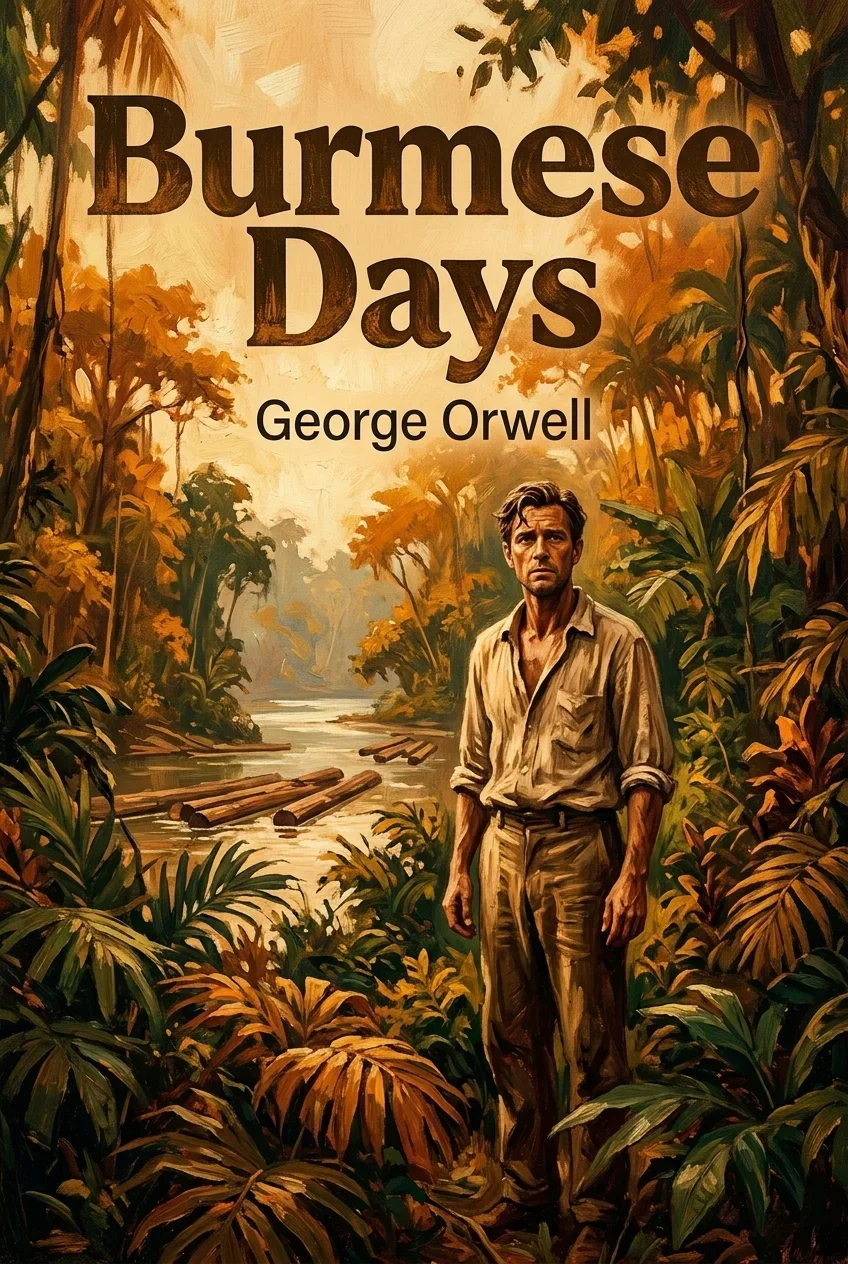
Born in Motihari, India, Orwell was educated at Eton College before joining the Indian Imperial Police in Burma in 1922. His five years in the service disillusioned him with British imperialism, a sentiment that fueled his early writing and his decision to live among the impoverished in Europe. These experiences in the late 1920s and early 1930s directly informed his first major book, which explored the harsh realities of poverty and social class in London and Paris.
In 1936, Orwell traveled to Spain to report on the Spanish Civil War but instead joined the Republican militia to fight against the fascist uprising. After being seriously wounded in 1937 and witnessing the internal purges within the socialist factions, he became a lifelong opponent of Stalinism and all forms of authoritarian rule. This historical context and his subsequent work as a journalist during World War II provided the moral and political foundation for his most famous allegorical and dystopian novels written during the final years of his life.
Essential Reading:
- Animal Farm (1945): This satirical allegorical novella uses a group of farm animals to critique the corruption of revolutionary ideals and the rise of the Soviet Union.
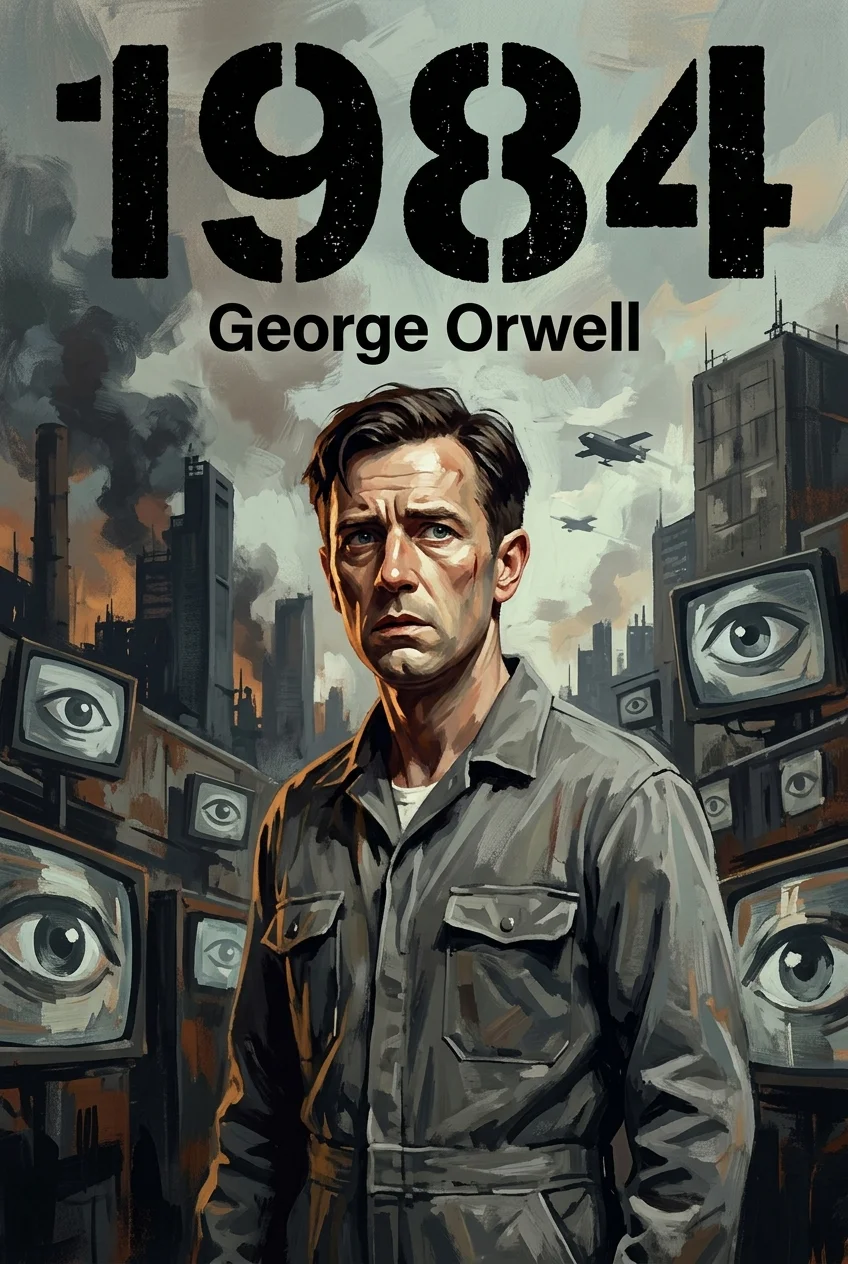
- Nineteen Eighty-Four (1949): This seminal dystopian novel depicts a terrifying future of perpetual war and omnipresent government surveillance that remains a definitive warning against totalitarianism.
- Homage to Catalonia (1938): This personal account details his experiences as a soldier in the Spanish Civil War and exposes the political betrayals he witnessed on the front lines.
- Down and Out in Paris and London (1933): This memoir provides a stark and empathetic look at the lives of the working poor and the homeless in two major European cities.