1879 - 1942
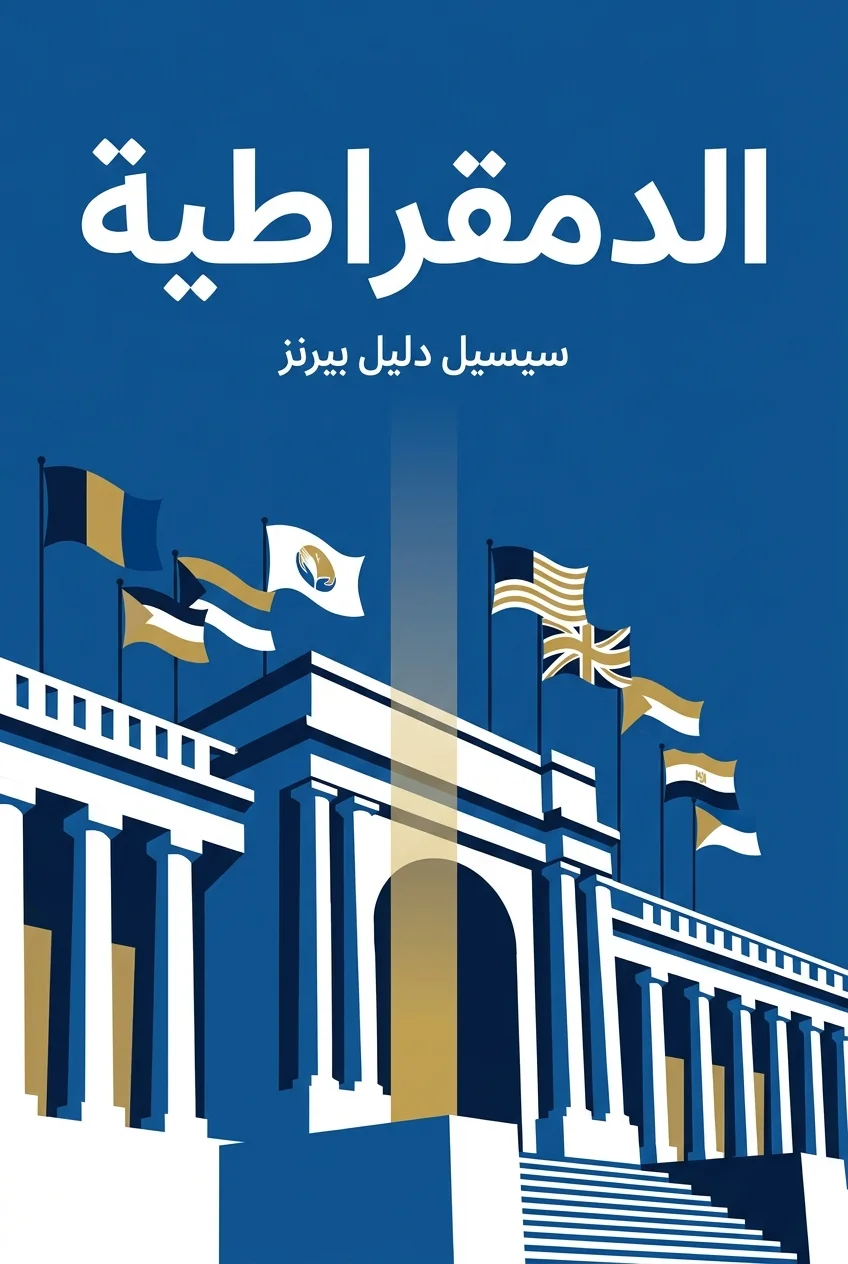
Cecil Delisle Burns (b. 1879) was a British author, lecturer, and political philosopher best known for his insightful studies on modern political theory, international relations, and democratic governance. Educated in Rome and Cambridge, he devoted his career to exploring social ethics and the evolution of political institutions in the twentieth century. His writing provided a pragmatic yet principled approach to understanding democracy and global cooperation following the turmoil of World War I.
Burns held academic positions at several distinguished institutions, serving as the Stevenson Lecturer in International Relations at the University of Glasgow and lecturing at the University of London. Before his career in higher education, he worked with the British Ministry of Reconstruction and the International Labour Office, gaining firsthand experience in post-war policy and international administration. These practical insights deeply informed his philosophical works, allowing him to bridge the gap between abstract political theory and public administration.
Throughout his active writing career, Burns published extensively on political ideals, ethics, and civil rights, advocating for social progress and secular humanism. He was an influential contributor to public debate, frequently addressing the challenges of peace, economic reconstruction, and the responsibilities of citizens in modern democratic states. His intellectual legacy remains notable for its clear defense of democratic principles and international governance.
Essential Reading:
- Democracy (1929): A seminal examination of democratic principles, exploring how popular governance functions in modern society and addressing the social conditions necessary for true citizenship.
- Political Ideals (1915): A historical analysis of the core concepts shaping Western political thought, from freedom and equality to nationalism and internationalism.
- Modern Civilization on Trial (1931): An insightful evaluation of twentieth-century technological and social developments, questioning their impact on human culture and political freedom.