1934 - 2003
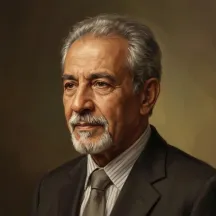
Shawqi Abd al-Hakim (1934–2003) was an Egyptian playwright, folklore researcher, and thinker, considered an exceptional figure in Arab theater and folk heritage studies. Born in Fayoum Governorate and raised in the heart of the Egyptian countryside, he drew from its oral heritage and early myths a living material that shaped his creative and intellectual project.
His intellectual legacy is reflected in his deep dive into popular folklore and his reshaping of epics and folk biographies with a modern theatrical consciousness. Drawing inspiration from oral traditions of love, injustice, and resistance, Abd al-Hakim gave peasant tragedy a mythological and human dimension, transforming the simple folk tale into a dramatic text bursting with philosophical and social questions.
His contributions extended to anthropology and comparative history, as he dedicated himself to documenting Arab and Eastern myths and comparing them with global symbols. His years of travel and residence in London gave him a critical perspective that combined the authenticity of rural roots with an openness to contemporary intellectual methodologies, focusing on preserving cultural identity from extinction.
Key Works
- Hassan and Naima: A dramatic text inspired by popular traditions and the tragedy of love, re-presenting them with modern theatrical consciousness.
- Shafiqa and Metwalli: A play that reshapes the folk tale to give peasant tragedy and themes of resistance a human and mythological dimension.
- The Tragedy of Al-Hallaj: A dramatic work that utilizes historical biographies to address deep philosophical and social issues.
- Khufu: A play relying on heritage and mythology to transform the dramatic text into a space rich with intellectual questions.
- Encyclopedia of Arab Folklore and Myths: A reference research work dedicated to documenting Arab and Eastern myths and comparing them to global symbols.
- Popular Biographies and Fables: An anthropological study that falls within his research to document oral traditions and safeguard cultural identity.
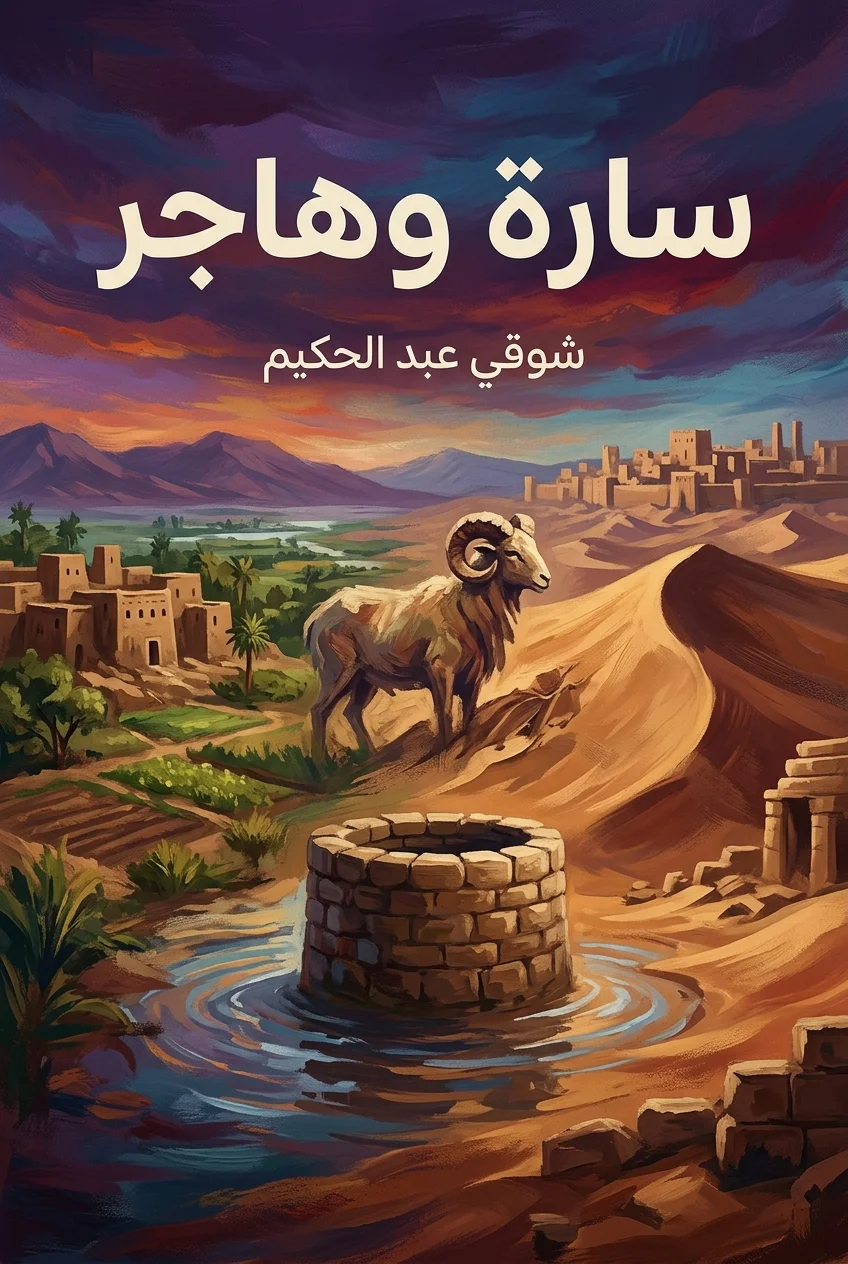
- Sarah and Hagar: A work reflecting his interest in studying biographies and myths, reading them through an anthropological and comparative intellectual lens.
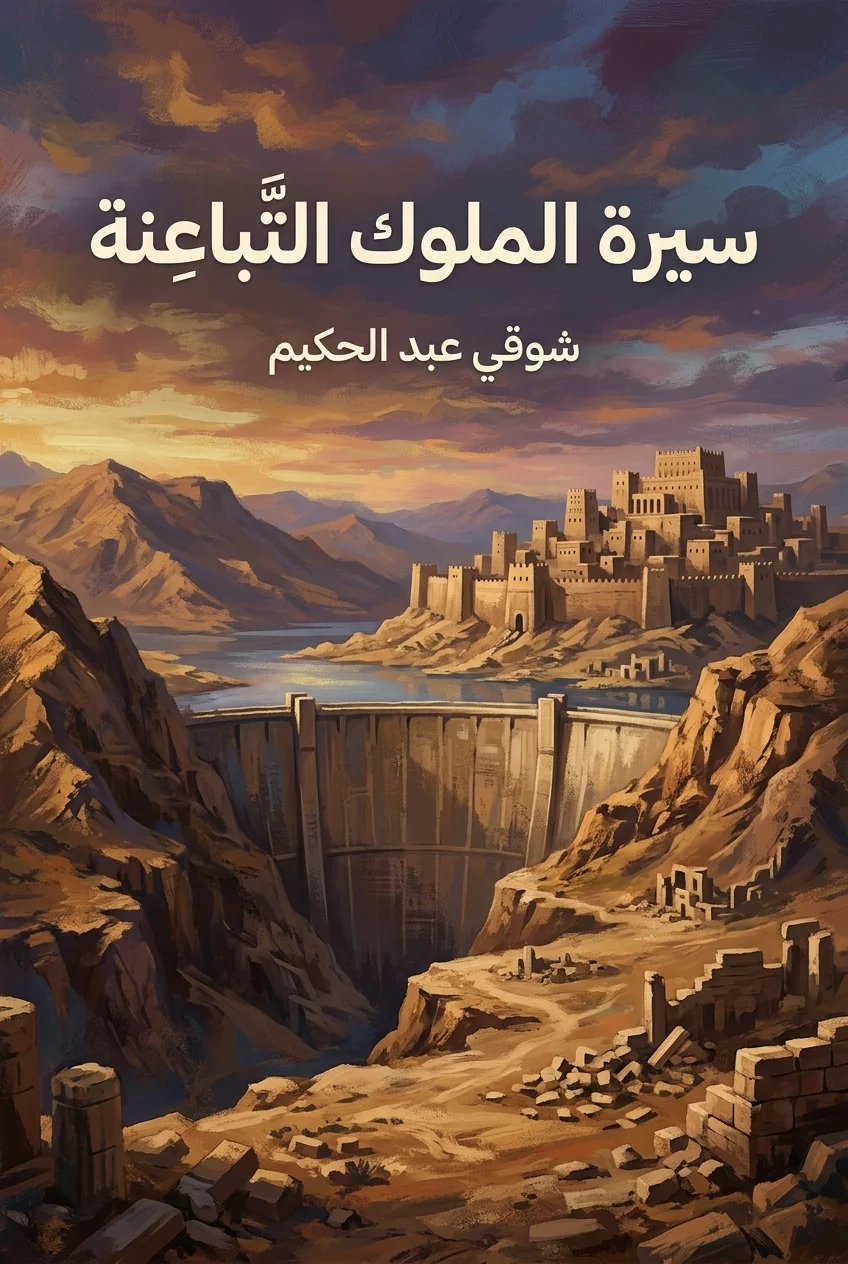
- The Biography of the Tubba' Kings: A reading and documentation forming part of his intellectual project to study and reshape folk epics and biographies.
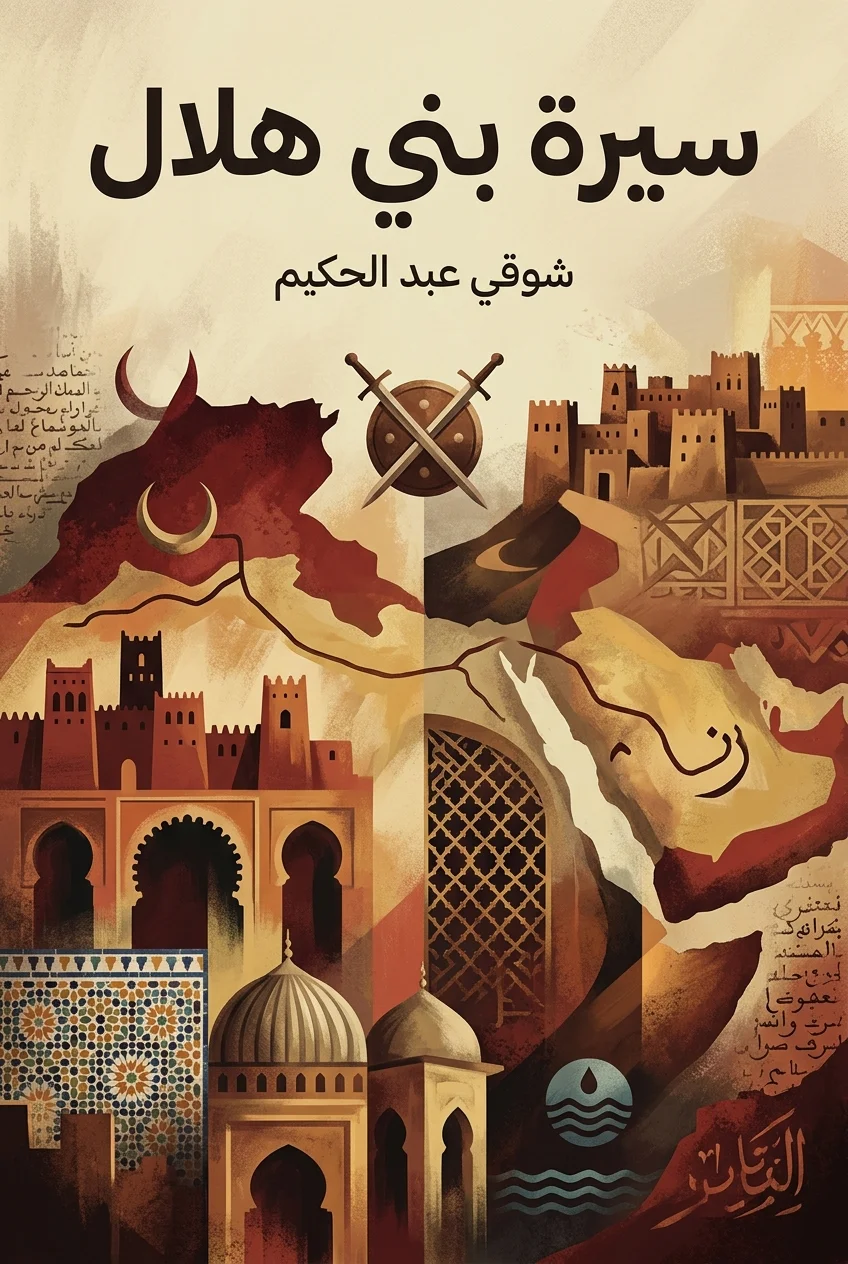
- Sirat Bani Hilal (The Epic of Bani Hilal): A work dedicated to documenting and studying Arab folk epics, preserving them from extinction.