Book Catalog
The Interpretation of Dreams

The Interpretation of Dreams

Sigmund Freud

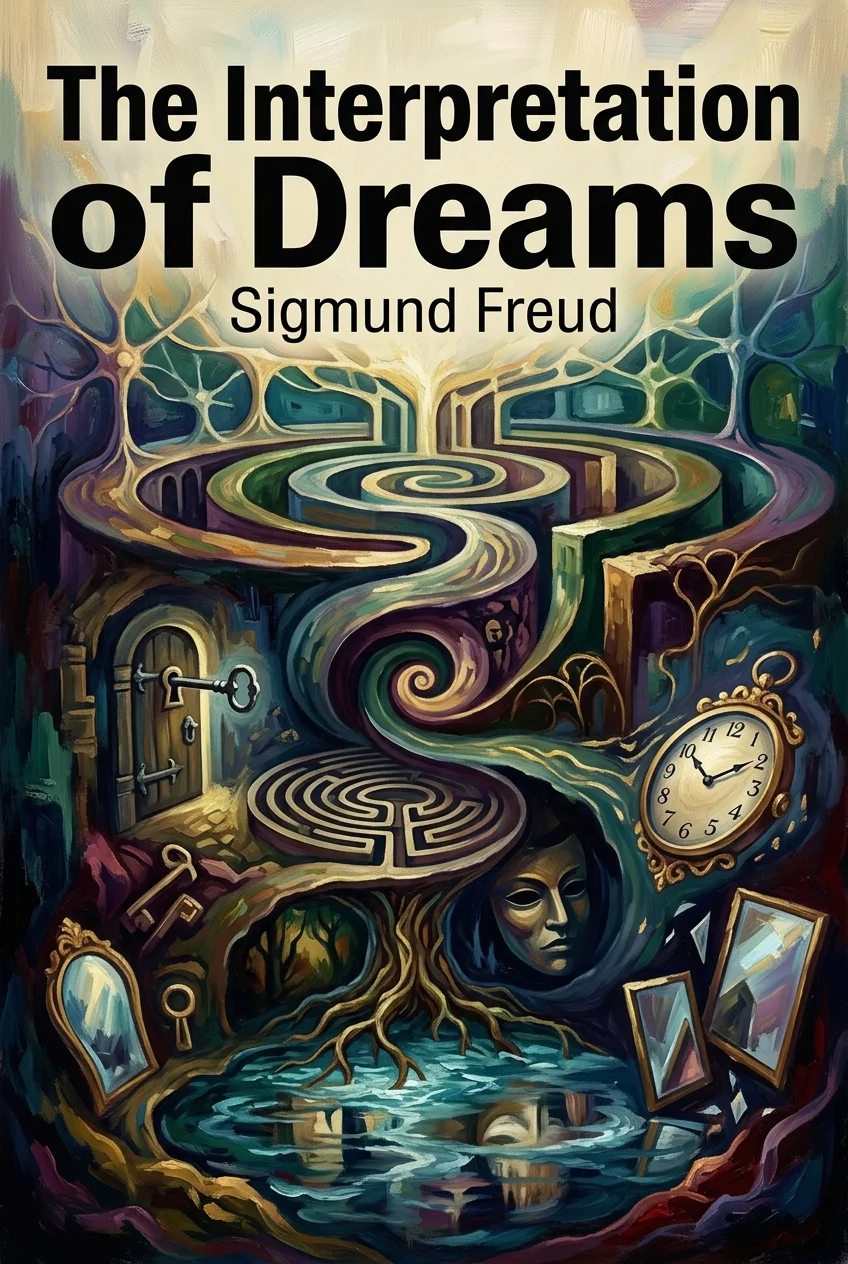
Sigmund Freud’s foundational masterpiece, The Interpretation of Dreams, revolutionized our understanding of the human psyche. By defining dreams as the royal road to the unconscious, Freud explores how repressed desires and hidden anxieties manifest in our sleep. Through a groundbreaking analysis of symbolism and wish fulfillment, this work birthed psychoanalysis and forever altered psychology and art. Discover the essential text that unlocked the profound mysteries of the mind.

Genre: Psychology, Non-Fiction
Language: English
Publisher: MyInteractivebook
Format: eBook, WebBook

Start Reading

Sign up for free to access this book.

Sign Up to Read

About the Author

Sigmund Freud

Sigmund Freud

1856 - 1939

Sigmund Freud (1856–1939) was an Austrian neurologist who fundamentally shattered the modern understanding of the human mind. As the founding father of psychoanalysis, he introduced the radical concept that human behavior is not guided by rational thought, but rather by deeply buried, unconscious desires, repressed memories, and complex childhood experiences. He developed revolutionary, albeit highly controversial, therapeutic techniques, using free association and the analysis of dreams to unlock the hidden traumas of his patients.

While many of his specific clinical theories have been heavily debated, modified, or entirely discarded by modern psychology, Freud’s cultural impact is virtually immeasurable. He handed the 20th century an entirely new vocabulary—introducing concepts like the ego, the id, the subconscious, and the "Freudian slip." His dark, complex map of human motivation profoundly reshaped modernist literature, art, and philosophy, forcing humanity to confront the uncomfortable reality that we are not always masters of our own minds.

Essential Reading:

The Interpretation of Dreams (1899): His foundational and most famous work, arguing that dreams are the "royal road to the unconscious" and a heavily disguised fulfillment of repressed wishes.

Civilization and Its Discontents (1930): A deeply pessimistic, brilliant sociological essay exploring the inevitable clash between the aggressive, primal instincts of the individual and the restrictive, necessary rules of society.

The Ego and the Id (1923): The landmark text where Freud fully introduces his structural model of the human psyche, mapping the endless internal war between our base desires, our realistic self, and our moral conscience.

The Psychopathology of Everyday Life (1901): A highly accessible, fascinating examination of how the unconscious mind constantly leaks into our daily lives through forgotten names, clumsy accidents, and slips of the tongue.

Totem and Taboo (1913): A provocative, ambitious collection of essays applying his psychoanalytic theories to the fields of anthropology, religion, and the evolutionary origins of human society.

Read more about the author

More in Psychology

Top Read This Month

Top Read All Time