1790 - 1869
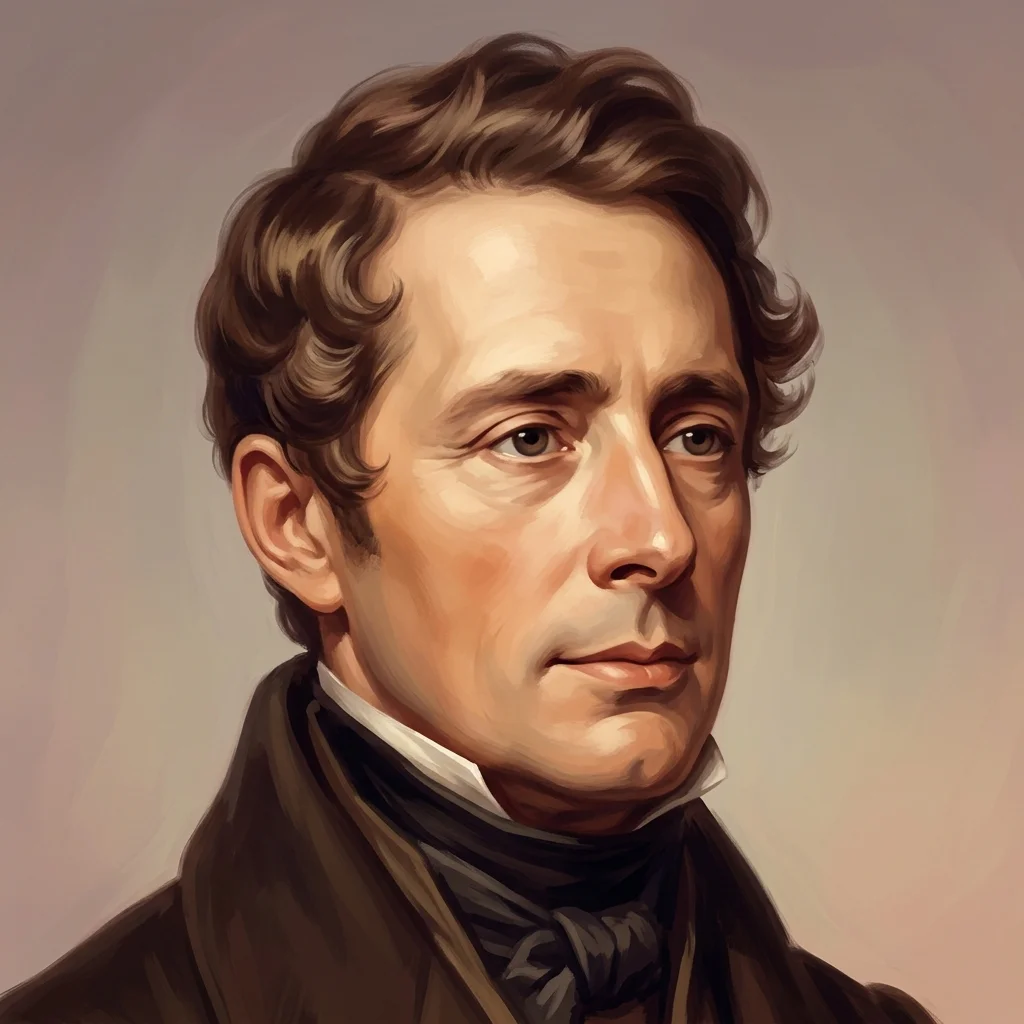
Alphonse Marie Louis de Prat de Lamartine (1790–1869) was a prominent French poet, statesman, and historian who served as a pivotal figure in the Romantic movement. He is widely recognized for introducing a new style of lyrical poetry that prioritized individual sentiment and the spiritual connection between humanity and nature.
Born in Mâcon, Lamartine’s early life was shaped by the rural landscapes of Burgundy, which later served as the primary inspiration for his pastoral themes. His career reached a turning point in 1820 with the release of Meditations poetiques, a work that broke from classical traditions and earned him international acclaim. This literary fame facilitated his entry into the French diplomatic corps, leading to significant assignments in Naples and Florence throughout the 1820s.
Lamartine was also a key political actor, most notably serving as the head of the Provisional Government during the 1848 Revolution where he helped establish the Second Republic. Throughout his later years, he faced financial difficulties that prompted a period of intense literary productivity, resulting in several semi-autobiographical novels and historical accounts. His ability to weave personal history with broader social concerns ensured his lasting influence on both French literature and political thought.
Essential Reading
- Meditations poetiques (1820): This groundbreaking collection of poems established the Romantic style in France through its focus on melancholy, spirituality, and the natural world.
- Histoire des Girondins (1847): A highly influential historical narrative that humanized the figures of the French Revolution and played a role in sparking political change in 1848.
- Regina (1849): This work explores the intricacies of romantic devotion and social expectations, showcasing the author's skill in creating emotionally resonant prose.
- Nouvelles confidences (1851): A reflective autobiographical work that provides readers with a deeper understanding of the author's private thoughts and formative years.
- Graziella (1852): This celebrated novel recounts a tragic love story set against the backdrop of the Bay of Naples, drawing heavily from the author's own youthful experiences in Italy.