1874 - 1950
Ahmed Hafez Awad (1874–1950) was an Egyptian journalist, historian, and political thinker, considered a prominent figure in the modern Egyptian Renaissance (Nahda) and a pioneer of national journalism in the early twentieth century. He belonged to a generation that dedicated its pen to shaping national consciousness and transforming Arabic journalism into an active engine for enlightenment and social reform. The value of his intellectual legacy lies in his linking of the national struggle with historiography to construct a national identity.
Awad was a close companion of the leader Mustafa Kamel and one of the most prominent voices of the Egyptian nationalist movement. He managed and served as editor-in-chief of landmark newspapers such as Al-Kawkab and Al-Minbar, utilizing his articles to mobilize the public and confront the occupation authorities, particularly during the period leading up to the 1919 Revolution. He crafted his journalistic work in pure Arabic, combining the authenticity of classical Arabic with the flexibility required to address the masses.
His contributions extended from daily journalistic debate to historical documentation, authoring studies that traced the rise of the modern state during the era of Muhammad Ali. He viewed history as a pillar for building national identity, combining archival precision with an enlightened journalistic perspective that reads the past to understand the present. His intellectual works remain a cornerstone in the history of historical journalism.
Key Works
- The Conquest of Egypt in the Modern Era (Fath Misr fi al-'Asr al-Hadith): A study documenting the historical emergence and development of the modern Egyptian state.
- Characteristics of the Egyptian Renaissance (Khasa'is al-Nahda al-Misriyya): An intellectual work reviewing the foundations and dimensions of the enlightenment movement and national renaissance in Egypt.
- Mustafa Kamel in His Letters (Mustafa Kamel fi Rasa'ilih): A book documenting the historical letters and national struggle of the leader Mustafa Kamel.
- The Legacy of Muhammad Ali (Athar Muhammad Ali): A historical study and documentary account tracking the emergence of the modern state and the achievements of Muhammad Ali's reign.
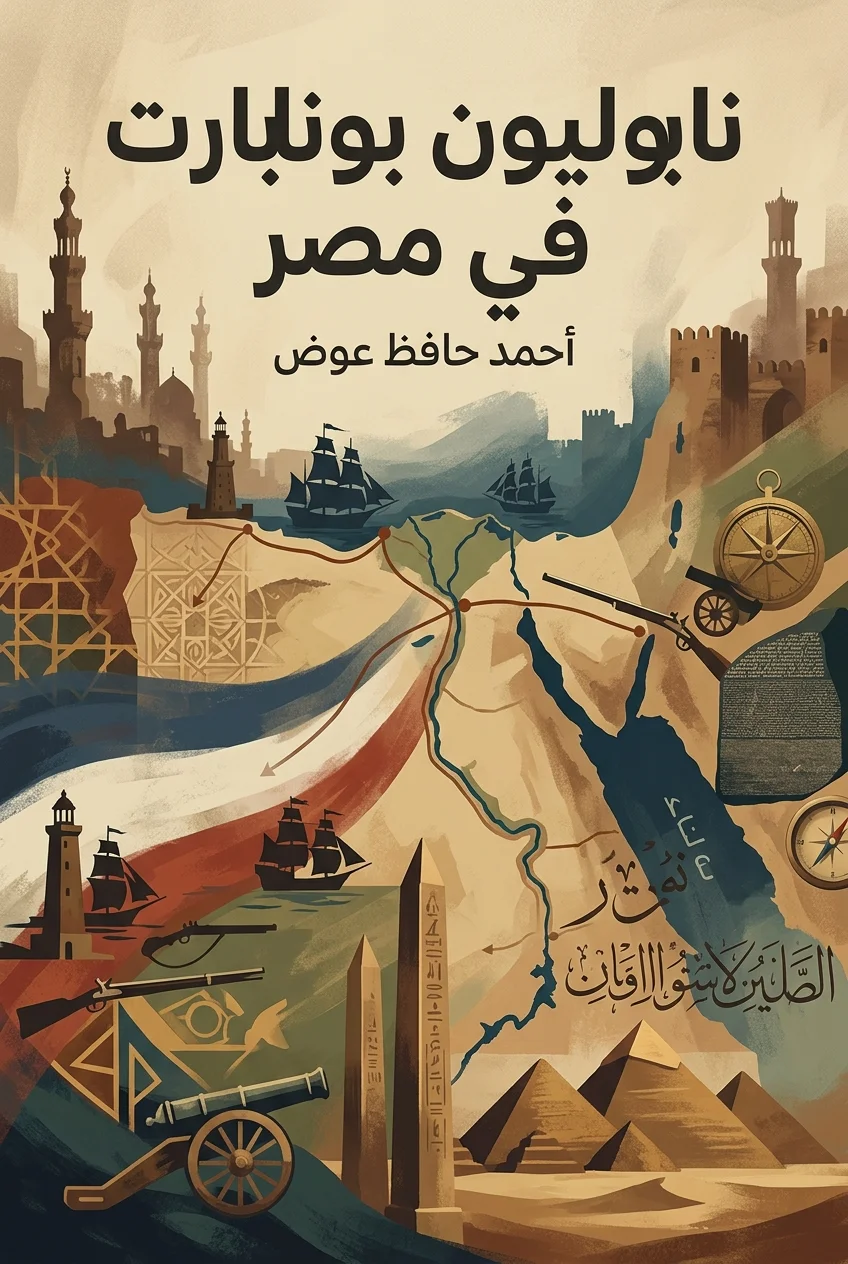
- Napoleon Bonaparte in Egypt (Napoleon Bonaparte fi Misr): A study examining the events and period of the French Campaign led by Napoleon Bonaparte in Egypt.