Born 1963
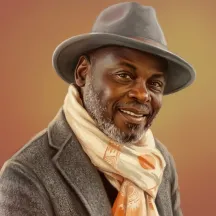
Abdelaziz Baraka Sakin (b. 1963) is a celebrated Sudanese novelist and short story writer whose courageous prose addresses conflict, social injustice, and political oppression in modern Sudan. Renowned for his vivid storytelling and humanitarian focus, he is widely regarded as one of the most prominent voices in contemporary Arabic literature. Despite facing extensive censorship and official bans in his home country, his work continues to gain international acclaim and a global readership.
Born in Kassala in eastern Sudan, Sakin studied business administration at Assiut University in Egypt before returning to Sudan to work as a teacher and civil servant. His writing frequently confronts the harsh realities of civil conflict, the devastating war in Darfur, and human rights abuses under authoritarian rule. Because of his outspoken critique of political corruption and violence, the Sudanese government repeatedly confiscated and banned his books, eventually forcing him to seek exile in Europe.
Throughout his career, Sakin has earned prestigious international recognition, including the 2020 Prix de la Litterature Arabe for his acclaimed novel depicting the Darfur genocide. His narrative style masterfully blends stark realism with surrealism and Sudanese folklore, exposing institutional oppression while honoring the dignity of marginalized communities. Today, his translated works serve as a vital window into Sudanese history, displacement, and human resilience.
Essential Reading:
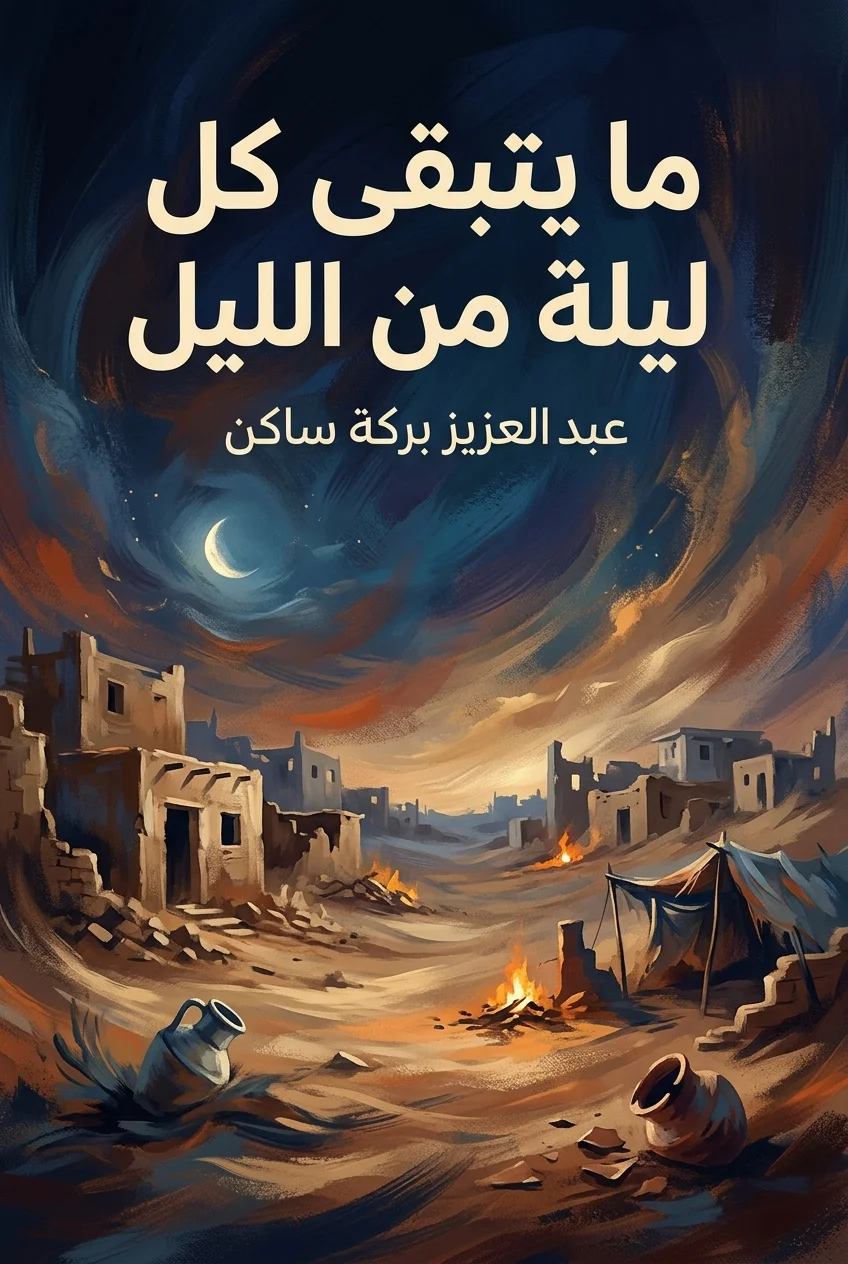
- What Remains of the Night Every Night (ما يتبقى كل ليلة من الليل) (2020): This poignant novel explores themes of exile, identity, and deep-seated memory through the emotional journeys of displaced individuals confronting loss and survival.
- The Messiah of Darfur (مسيح دارفور) (2012): Set against the backdrop of war in western Sudan, this powerful narrative follows a young woman seeking retribution while exposing the terrifying human cost of conflict.
- The Longing of the Dervish (مخيلة الخندريس) (2012): This compelling work offers an unflinching look at urban poverty and social marginalization in Khartoum, combining satire with profound empathy for the downtrodden.