1889 - 1964
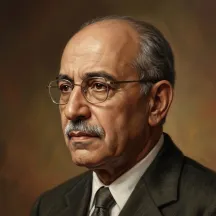
Abbas Mahmoud al-Aqqad (1889–1964) was an Egyptian journalist, poet, critic, and historian who became a central figure in twentieth-century Arabic literature. Self-educated and fiercely independent, he co-founded the influential Diwan movement to modernize Arabic poetry. His prolific career produced extensive critical studies, historical biographies, and philosophical essays.
Born in Aswan, Egypt, al-Aqqad worked in civil service and journalism in Cairo, where his passionate defense of constitutional democracy led to nine months in prison in 1930 under King Fuad I. Throughout his life, he accumulated a massive private library and earned election to the prestigious Academy of the Arabic Language.
His writing synthesized classical Islamic heritage with modern European philosophy and psychological analysis. He pioneered psychological biography in Arabic literature through his acclaimed Genius series, leaving a monumental mark on modern Arab intellectual history.
Essential Reading:
- Colors of the Short Story in American Literature (1954): A critical survey of short fiction in American literature.
- Abraham, Father of the Prophets (1947): A spiritual biography exploring the legacy of Prophet Abraham.
- Ibn al-Rumi, His Life from His Poetry (1931): A critical examination of Ibn al-Rumi's personality through verse.
- Ibn Rushd (1945): A study analyzing Averroes and his rationalist Islamic philosophy.
- Ibn Sina (1946): An insightful examination of Avicenna's medical and philosophical achievements.
- Introducing Shakespeare (1958): An introduction to William Shakespeare's dramatic and poetic art.
- Bernard Shaw (1950): A critical portrait evaluating the life and works of George Bernard Shaw.
- Benjamin Franklin (1946): A biography detailing Benjamin Franklin's statesmanship and political thought.
- Juha the Laughing Laughmaker (1956): An exploration of traditional Arabic humor through the figure of Juha.
- Jamil Buthayna (1944): A biographical study of the classical Arabic romantic poet Jamil.
- Life of a Pen (1964): An autobiographical reflection on al-Aqqad's extensive intellectual journey.
- The Great Soul Mahatma Gandhi (1948): A tribute to Mahatma Gandhi's spiritual leadership and philosophy.
- Sun Yat-sen, Father of China (1949): A political biography examining Sun Yat-sen's revolutionary impact.
- An Andalusian Poet and an International Award (1958): A study focusing on classical Andalusian poetic traditions.
- The Love Poet Omar Ibn Abi Rabi'ah (1943): A biography exploring the life and verse of Omar Ibn Abi Rabi'ah.
- The Genius of Imam Ali (1944): A psychological evaluation of Imam Ali's justice and leadership.
- The Genius of Omar (1942): An in-depth analysis of Caliph Omar's governance and statesmanship.
- The Genius of Muhammad (1942): A landmark study highlighting the moral character of Prophet Muhammad.
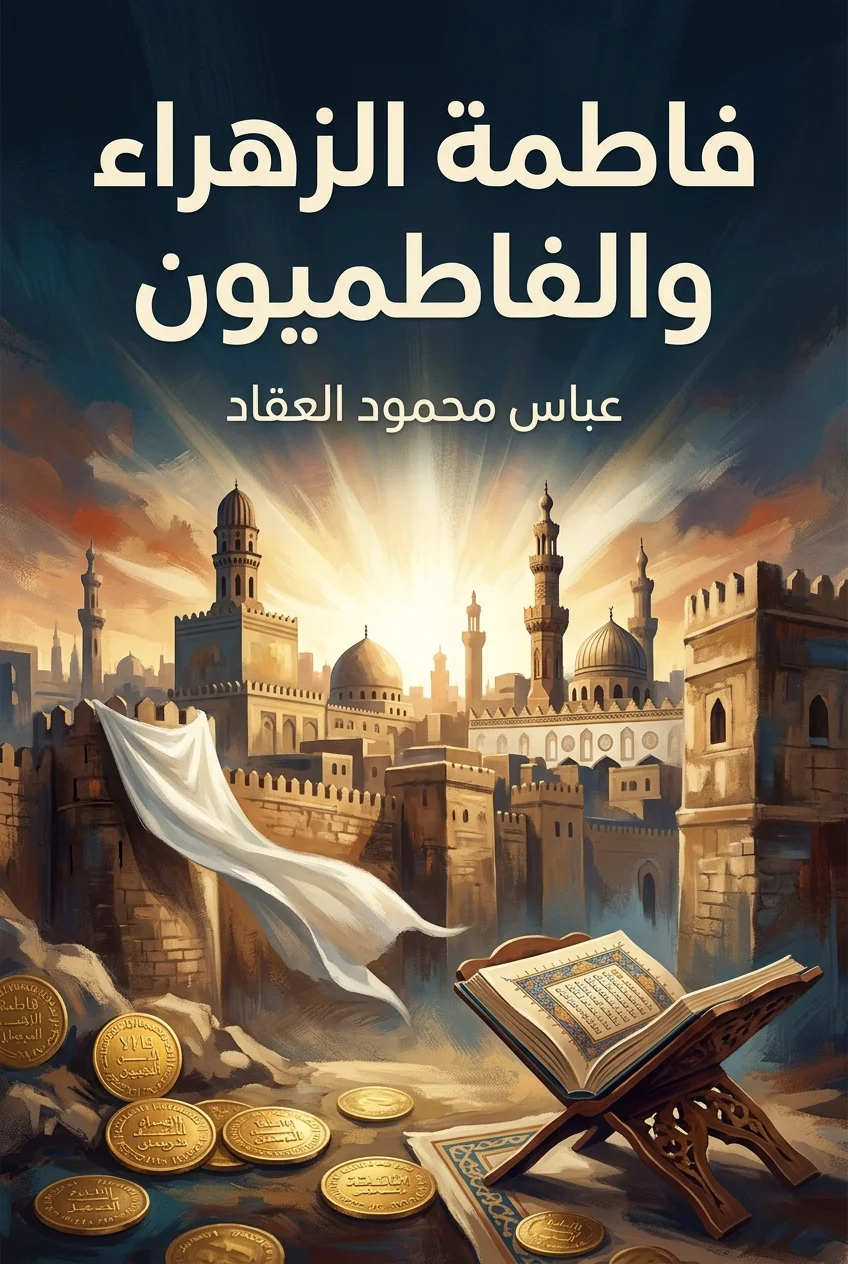
- Fatima al-Zahra and the Fatimids (1957): A historical study of Fatima and her political lineage.
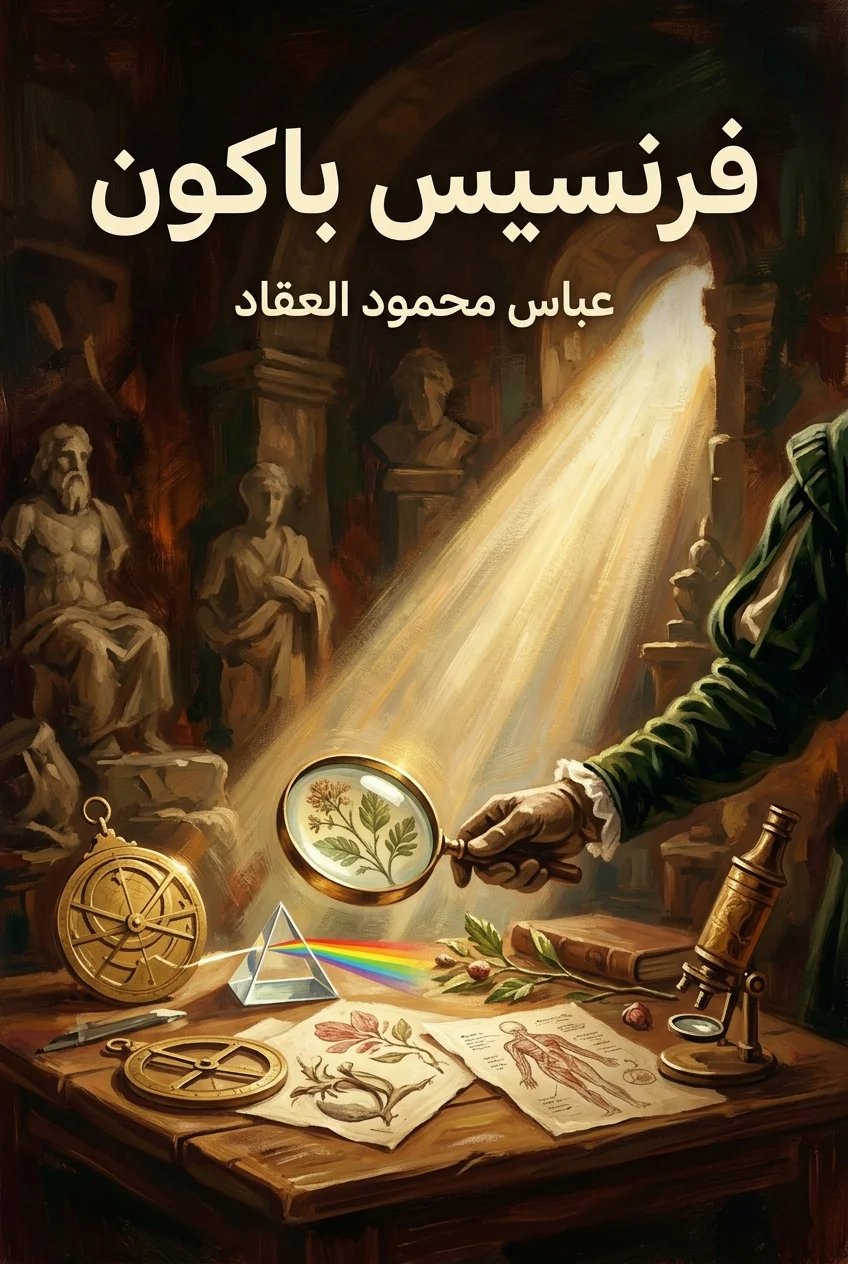
- Francis Bacon (1945): An examination of Francis Bacon's empiricism and philosophical legacy.
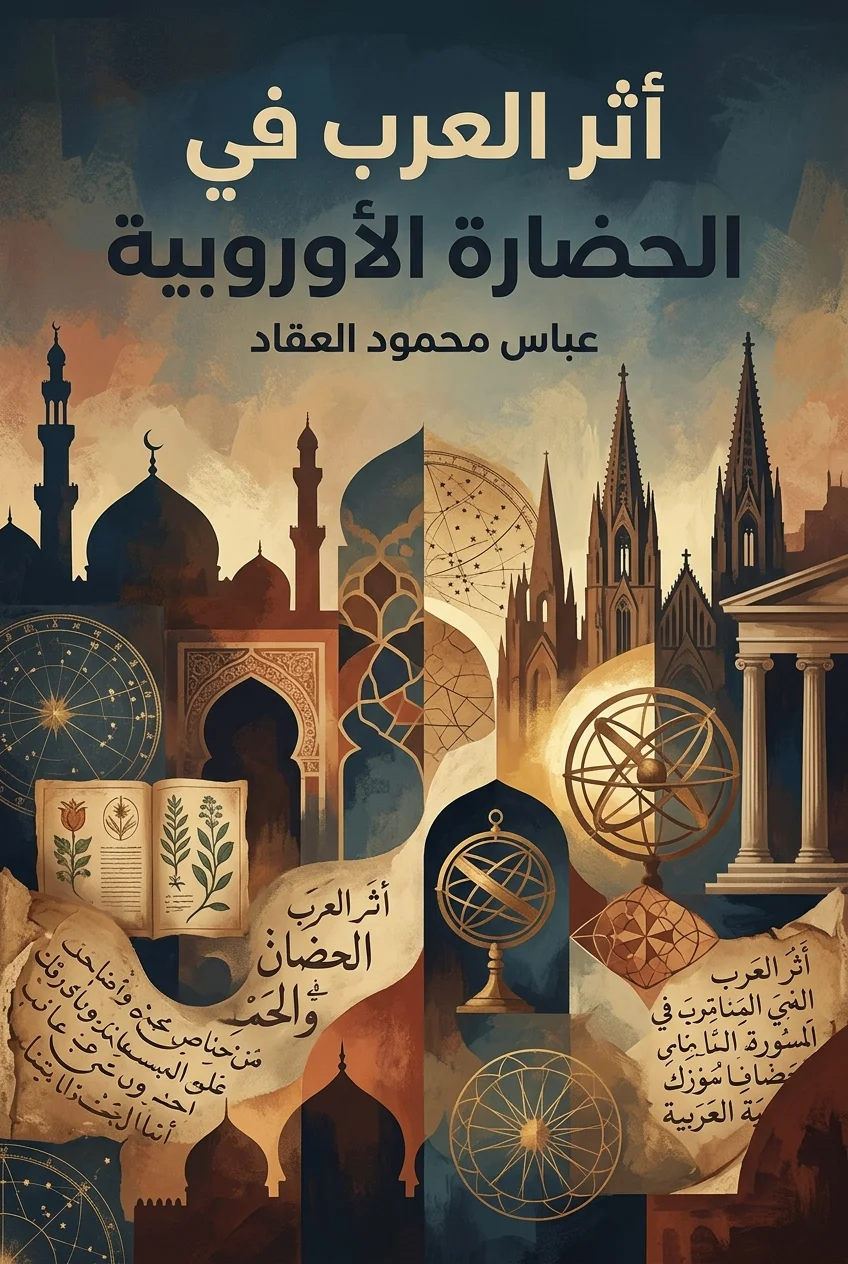
- The Influence of Arabs on European Civilization (1946): An account detailing historical Arab contributions to Western culture.
- Absolute Rule in the Twentieth Century (1928): A political critique examining authoritarianism and totalitarian governance.
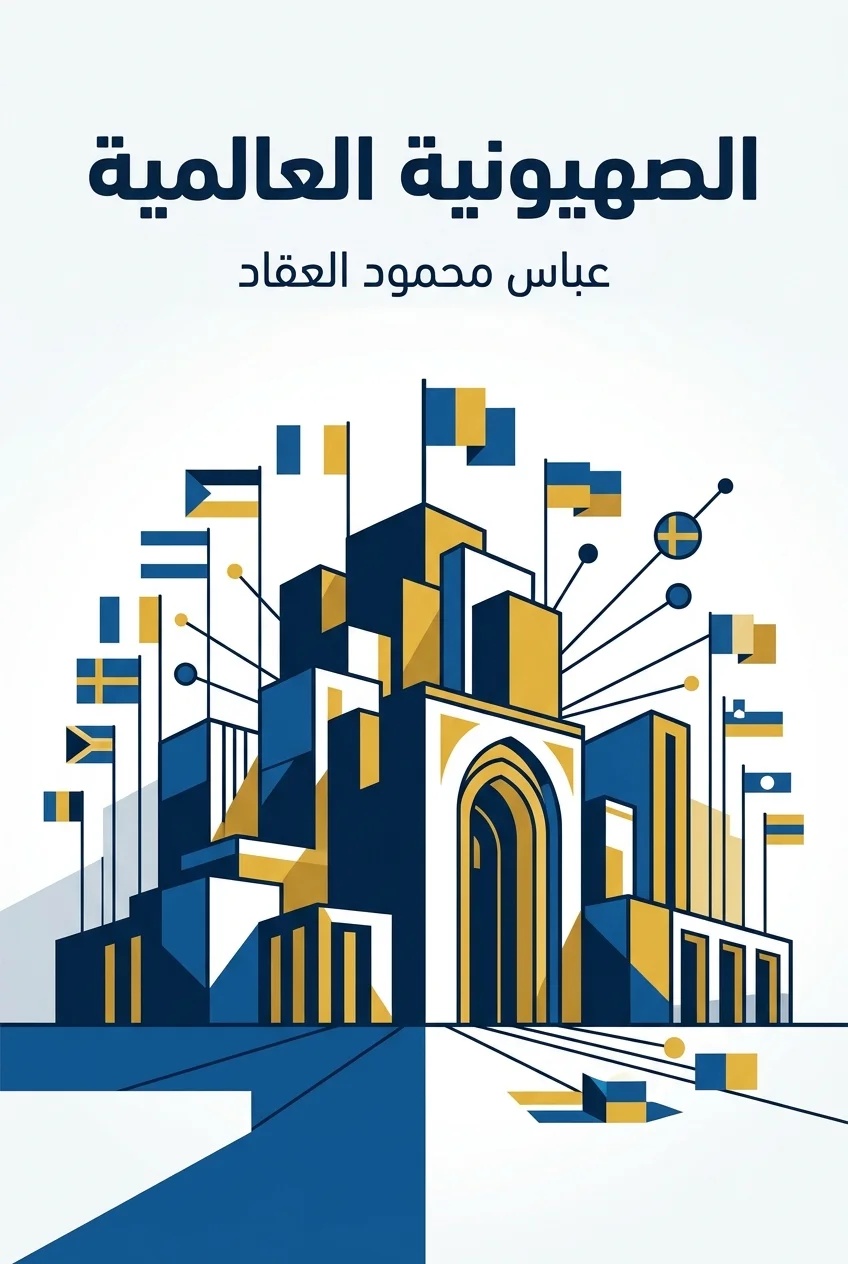
- Global Zionism (1956): A critical evaluation analyzing international Zionist political movements.
- Philosophers of Governance in the Modern Era (1950): A study on major figures in modern political philosophy.
- The Philosophy of the Revolution in the Balance (1955): An assessment examining political revolution and social change.