Book Catalog
The Peat-Cutters

The Peat-Cutters

Alphonse de Châteaubriant

Immerse yourself in the wild soul of the marshlands with this masterpiece by Alphonse de Chateaubriant. Amidst peat bogs and mists, the warden Aoustin leads an epic struggle to preserve the ancestral rights of his people in the face of modernity. This tragic tale explores a visceral attachment to the land and the clash of traditions. A lyrical and dark epic, crowned by the Académie française, essential for lovers of regional literature and profound human drama.

Genre: Literary Fiction, Fiction
Language: French
Format: eBook, WebBook
Join Free

Start Reading

Sign up for free to access this book.

About the Author

Alphonse de Châteaubriant

Alphonse de Châteaubriant

1877 - 1951

Alphonse de Chateaubriant (1877–1951) began his career as a celebrated voice of the French soil, only to end it as a symbol of political betrayal. A master of the "regionalist" novel, he captured the rugged beauty and spiritual weight of the French countryside with a mystical, almost medieval intensity. His early work was deeply rooted in the marshes and forests of western France, portraying the struggle of traditional Catholic values against the encroachment of a secular, modern world.

However, his literary legacy is permanently shadowed by his actions during World War II. An ardent admirer of National Socialism, Chateaubriant became a leading figure of French collaboration, viewing the Third Reich as a spiritual crusade to "renew" Europe. He founded the pro-Nazi weekly La Gerbe and used his platform to champion the German cause. This ideological descent turned a two-time winner of France's highest literary honors into a pariah. After the liberation of France, he fled to Austria and lived in a monastery under a false name, eventually dying in exile—a writer who chose to anchor his spiritual vision to one of history's darkest regimes.

Essential Reading

  • Monsieur des Lourdines (1911): His breakthrough novel and winner of the Prix Goncourt, which explores the tragic, emotional disconnect between a traditional country gentleman and his modern, reckless son.
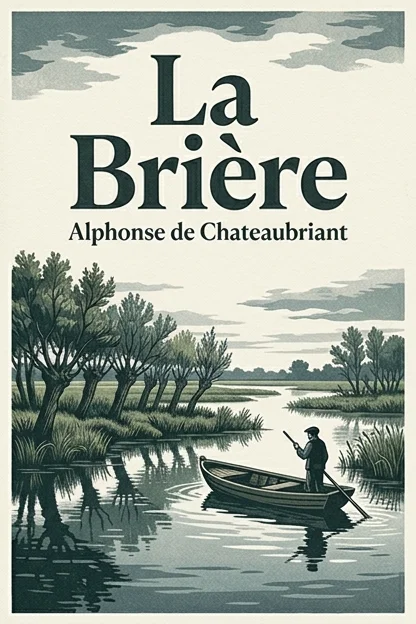
  • La Brière (1923): Awarded the Grand Prix du roman de l'Académie française, this atmospheric epic is set in the vast salt marshes of western France, depicting a community’s fierce, ancestral connection to their land.
  • La Réponse du Seigneur (1933): A dense, mystical novel that serves as a bridge to his later ideologies, exploring a young man's spiritual education through his encounter with a reclusive aristocrat.
  • L'Apposition des mains (1936): A collection of essays and reflections that further illustrate his transition from purely literary concerns to a more mystical, politically charged worldview.
Read more about the author

More in Literary Fiction

Top Read This Month

Top Read All Time