1857 - 1924
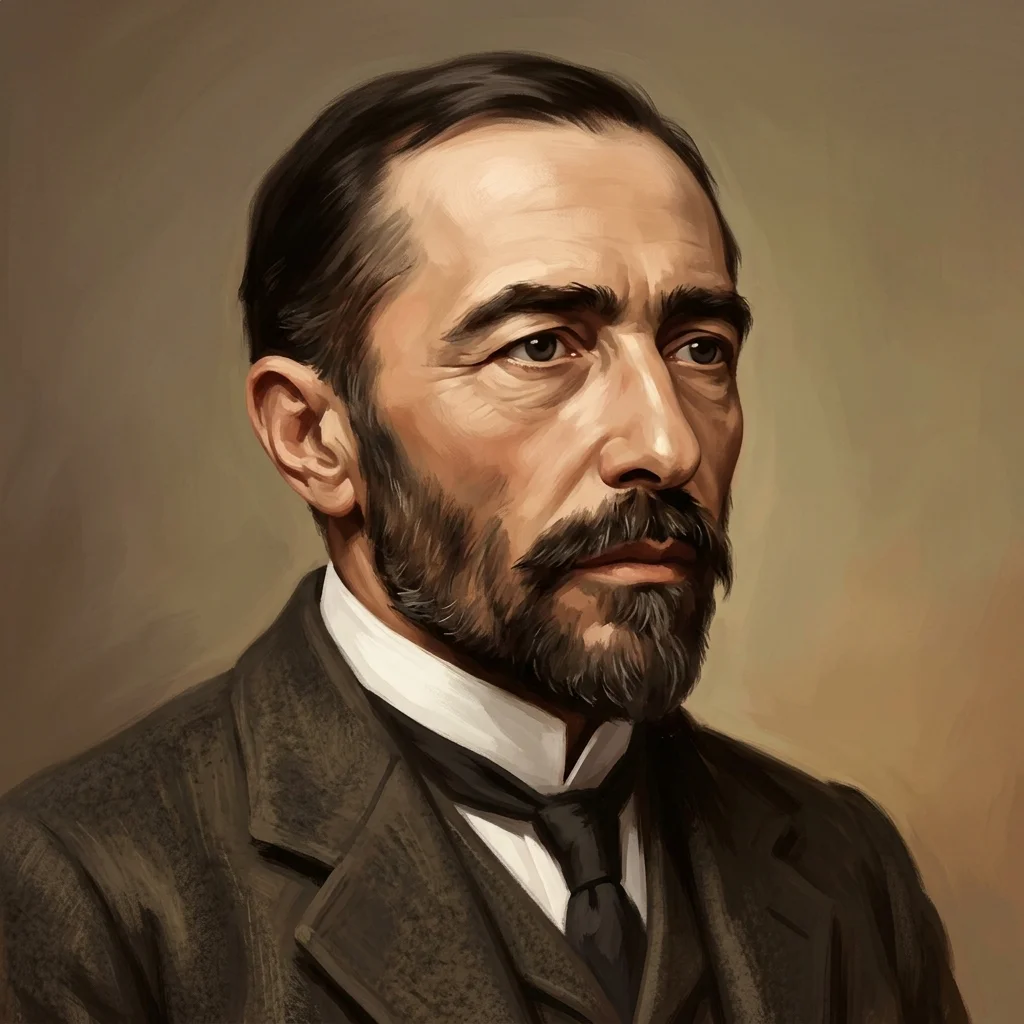
Joseph Conrad (1857–1924) was a Polish-British novelist and short-story writer who is widely regarded as one of the greatest stylists in the English language. Despite not speaking English fluently until his twenties, he became a central figure of literary modernism, known for his profound explorations of the human psyche and the moral complexities of imperialism.
Born Józef Teodor Konrad Korzeniowski in Berdychiv, Ukraine, to Polish parents, he spent his early years in exile due to his father's political activities against the Russian Empire. This early exposure to displacement and political struggle profoundly influenced his later themes of isolation and duty. In 1874, he began a twenty-year career in the French and British merchant marines, traveling extensively to the Caribbean, the East Indies, and Africa. These maritime experiences provided the rich geographical and psychological settings for his most celebrated narratives.
In 1894, Conrad retired from the sea to settle in England and pursue a full-time literary career, publishing his first novel, Almayer's Folly, in 1895. His work often bridged the gap between classic adventure tales and the emerging modernist movement, utilizing innovative narrative structures and unreliable narrators. By the time of his death in 1924, he had secured a legacy as a master of prose who challenged Victorian certainties by highlighting the thin line between civilization and savagery.
Essential Reading:
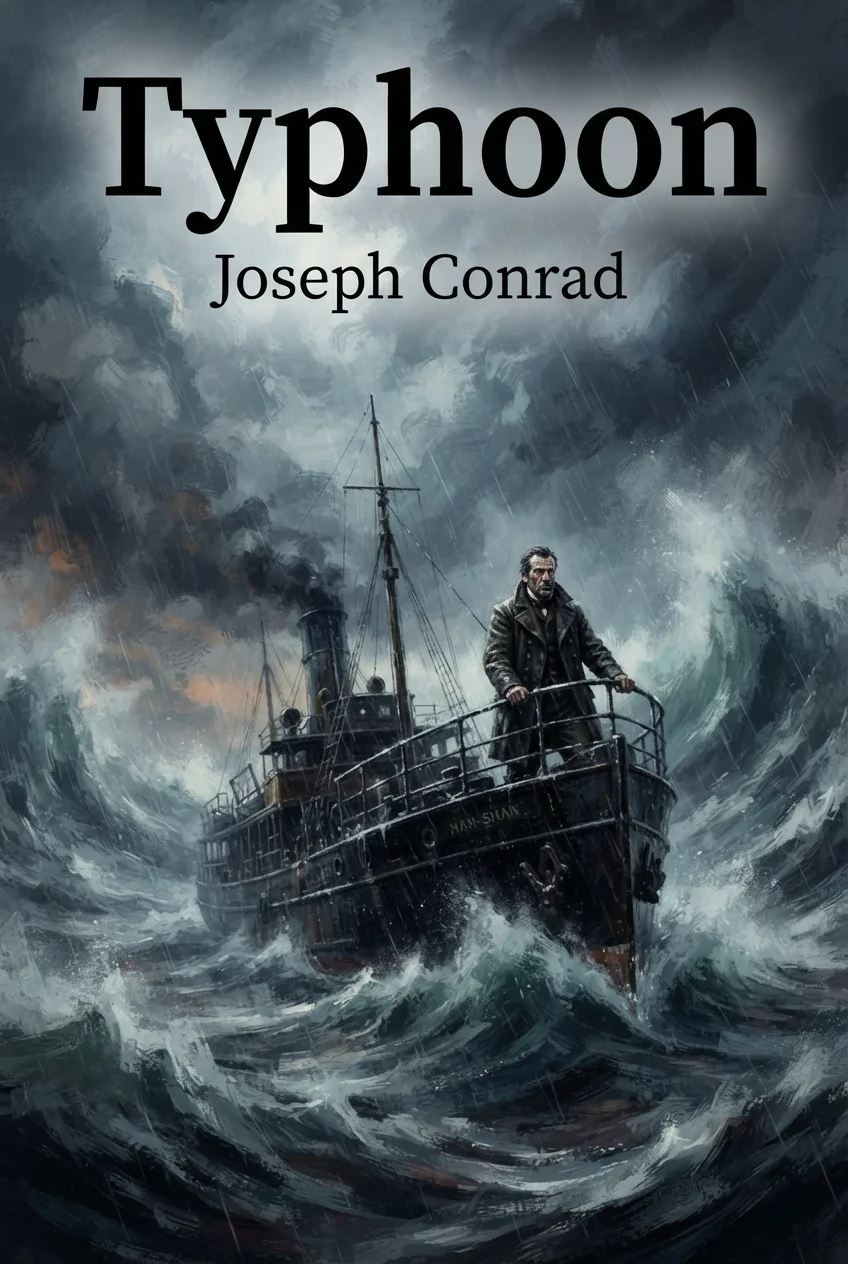
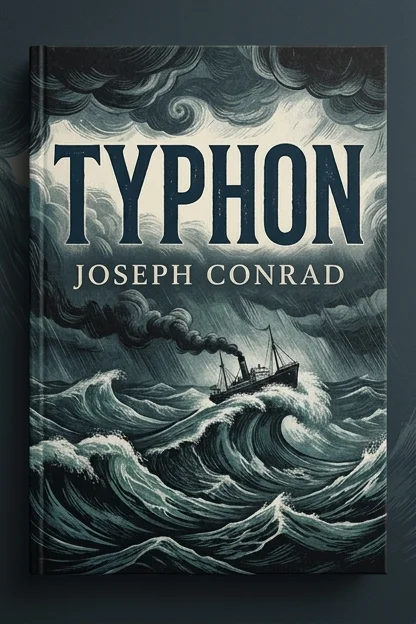
- Typhoon (1902): This intense novella depicts a steamship captain’s stoic struggle against a catastrophic storm in the South China Sea, serving as a testament to human endurance and professional duty.
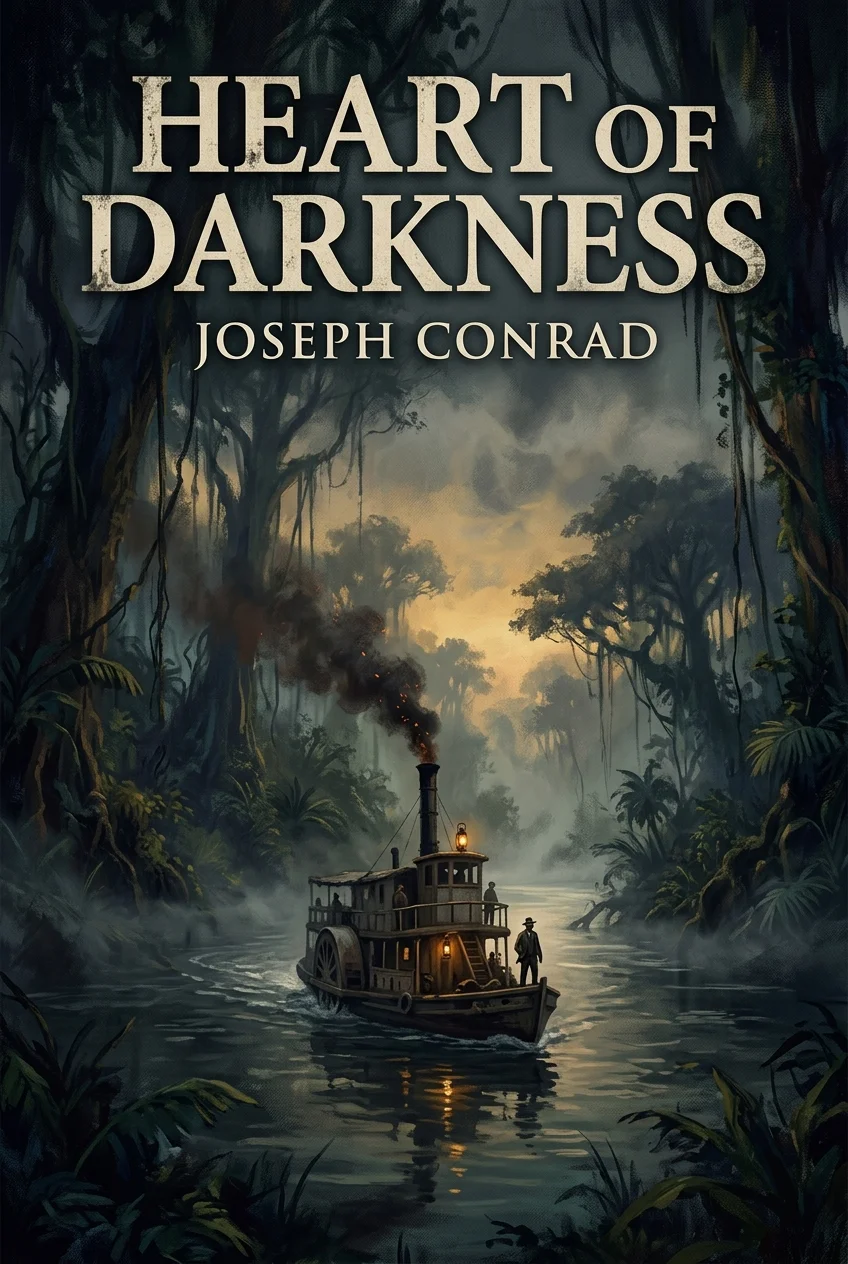
- Heart of Darkness (1899): A haunting journey into the Congo Free State that explores the depths of human depravity and the brutal reality of European colonialism.
- Lord Jim (1900): This novel follows a young seaman’s lifelong quest for redemption after a single act of perceived cowardice during a maritime crisis.
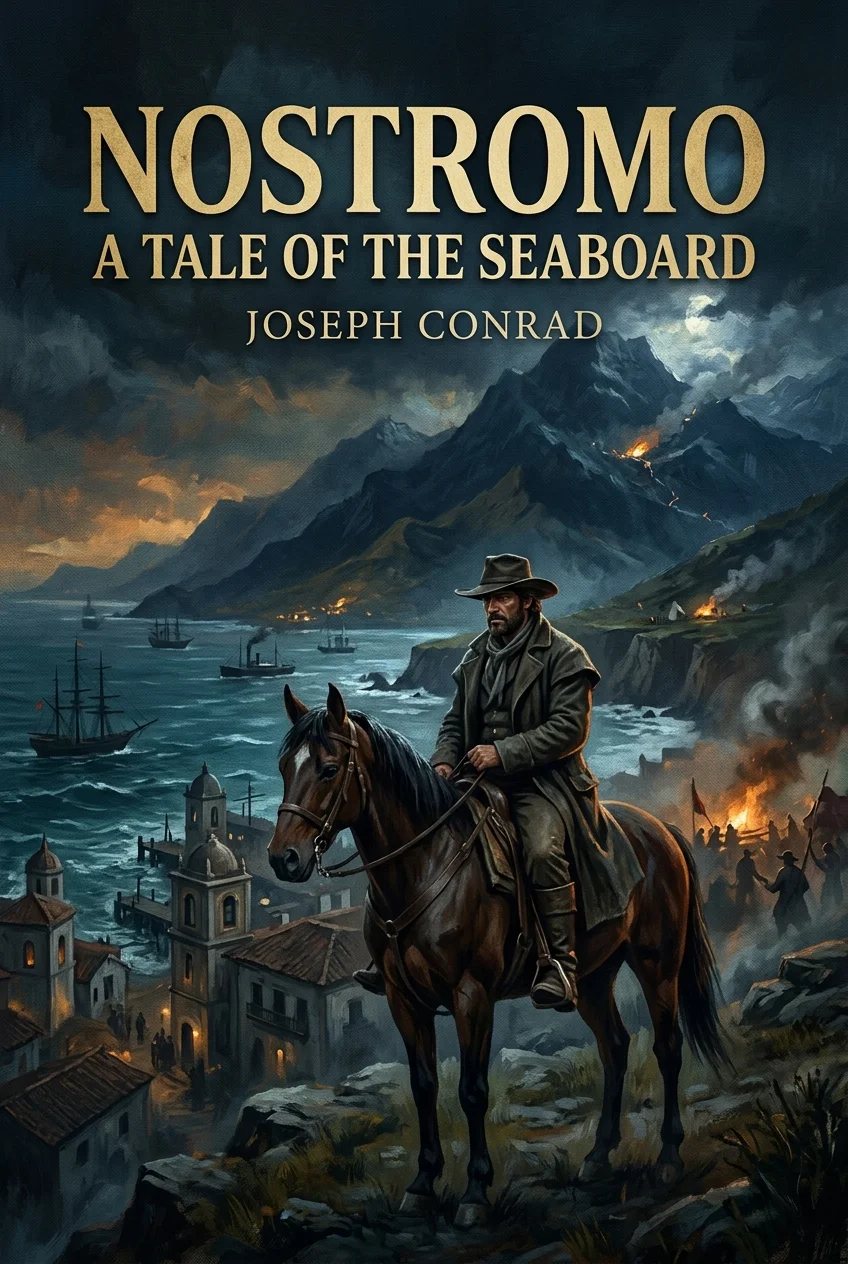
- Nostromo (1904): Set in a fictional South American republic, this complex masterpiece examines the corrupting influence of politics and silver mining on individual character and national identity.
- The Secret Agent (1907): A dark, satirical look at terrorism and espionage in London, focusing on a tragic plot to destroy the Greenwich Observatory.