1894 - 1963
Aldous Huxley (b. 1894) is an English author, essayist, and critic who stands as one of the most prominent intellectuals of the twentieth century. He is best known for his pioneering satirical novels and philosophical essays that explore the potential dangers of scientific and technological progress on human freedom.
Born in Godalming, Surrey, England, Huxley studied at Balliol College, Oxford, where his academic pursuits were interrupted by a severe eye condition that left him nearly blind during his youth. This visual impairment deeply influenced his perspective on the world, steering him away from a career in science toward literature and philosophy. He spent significant periods of his later life living in the United States, particularly in Southern California, where he engaged deeply with mysticism, pacifism, and the exploration of human consciousness.
Throughout his prolific literary career, Huxley bridged the worlds of fiction and philosophical nonfiction, earning international acclaim for his incisive cultural critique. His later writings increasingly examined altered states of consciousness, spirituality, and the mechanics of perception, cementing his status as a countercultural icon well before the social upheavals of the 1960s. His enduring body of work continues to provoke critical thought regarding the intersection of technology, society, and individual liberty.
Essential Reading
- Brave New World (1932): This classic dystopian masterpiece depicts a technologically engineered future society where human beings are artificially produced and conditioned for conformity.
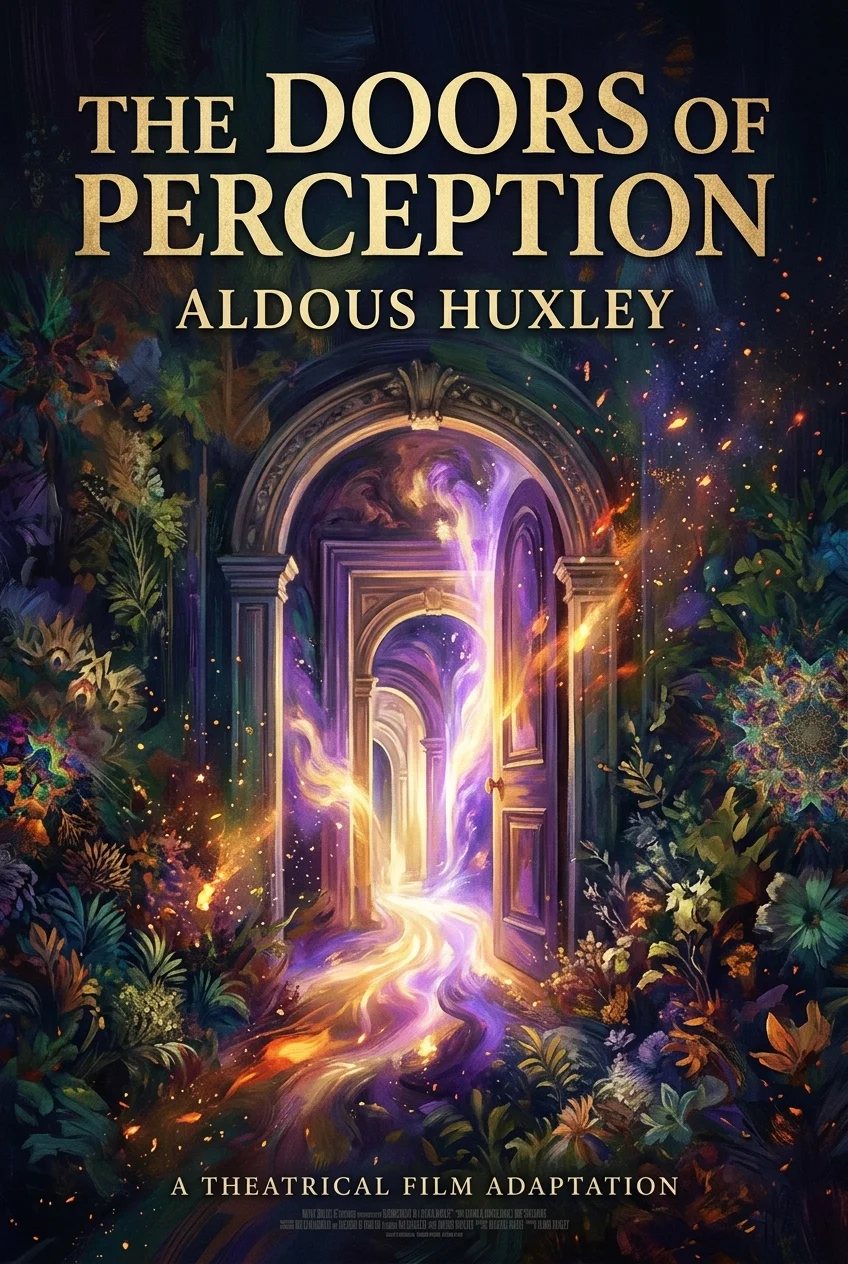
- The Doors of Perception (1954): This groundbreaking philosophical essay details the author's profound experiences with mescaline and explores the mechanics of human consciousness and visionary art.
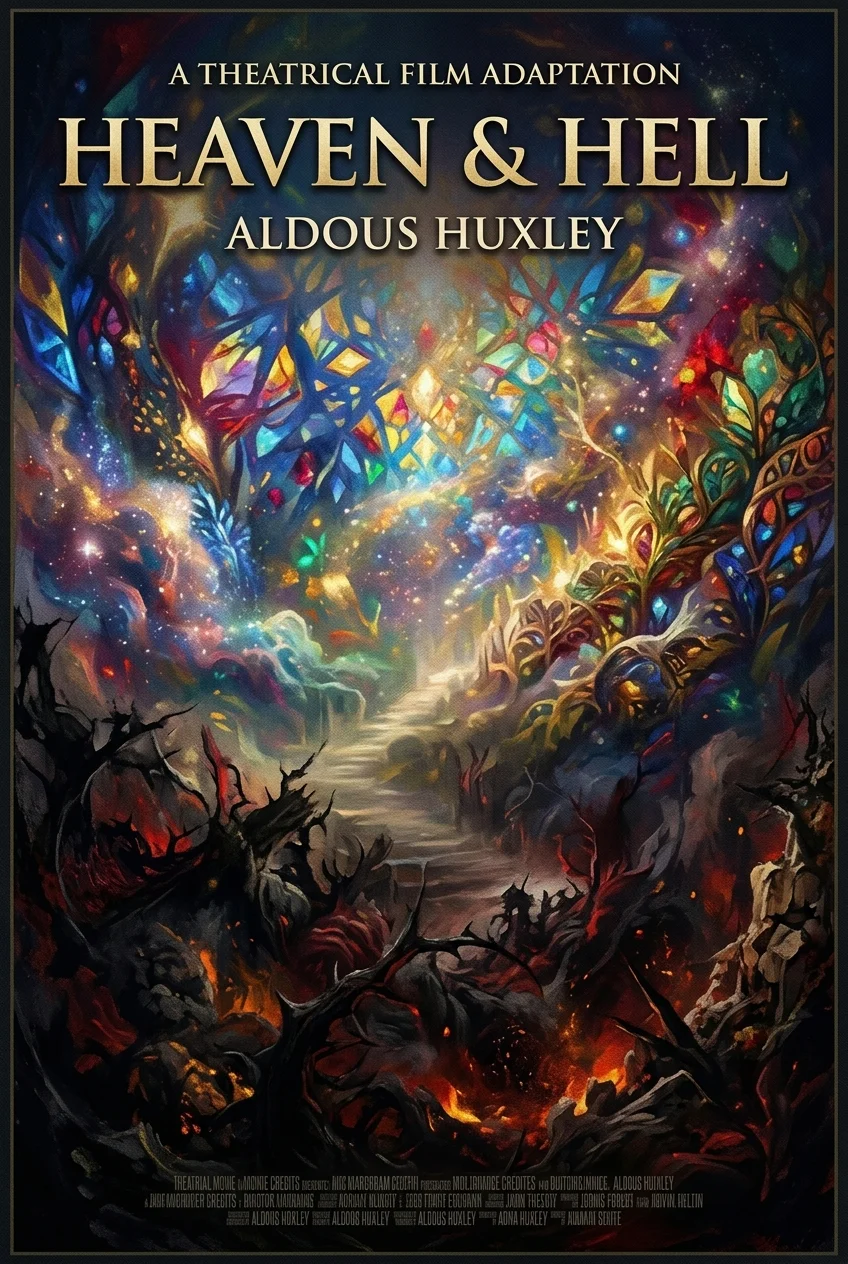
- Heaven and Hell (1956): This compelling sequel delves deeper into the nature of mystical experiences and the visual phenomenology of the human mind.
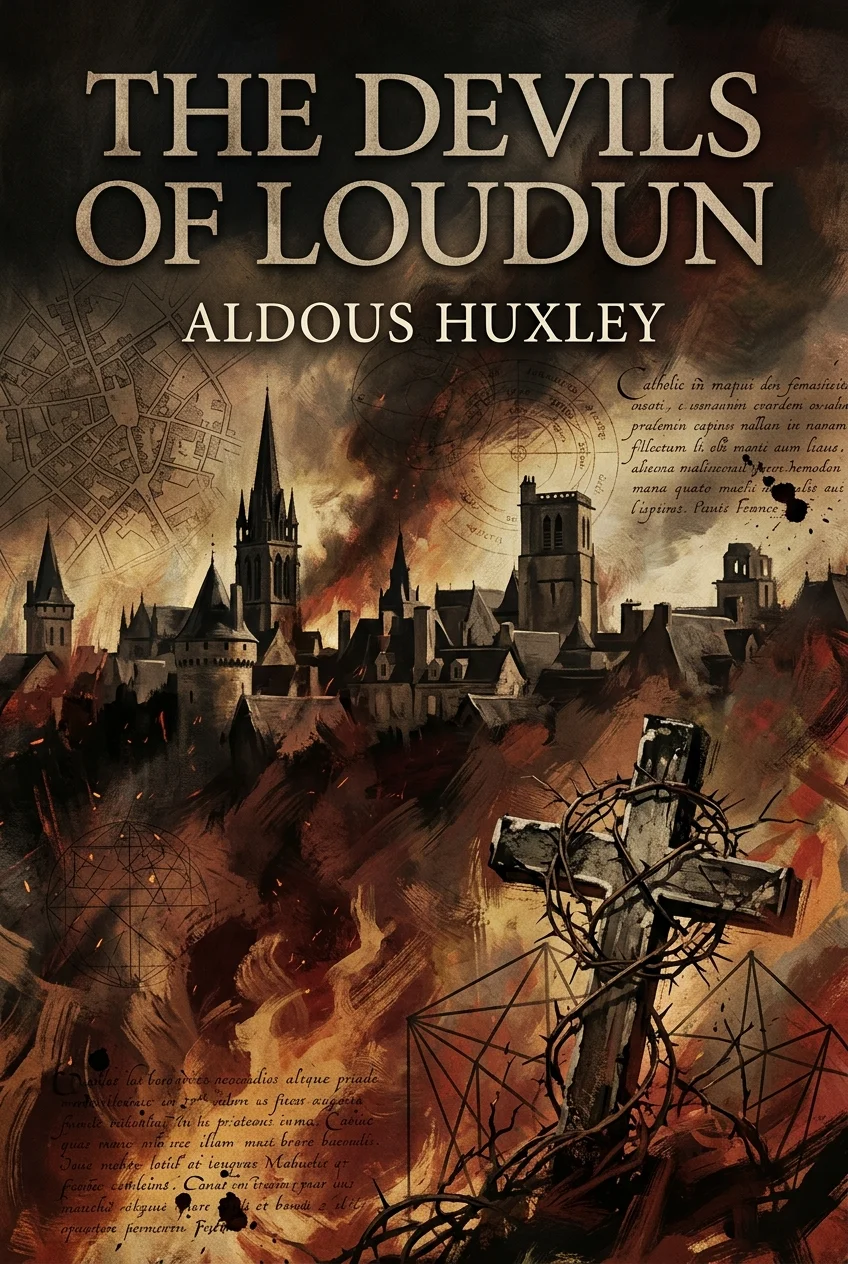
- The Devils of Loudun (1952): This gripping historical non-fiction study examines mass hysteria, demonic possession, and political intrigue in seventeenth-century France.