1697 - 1763
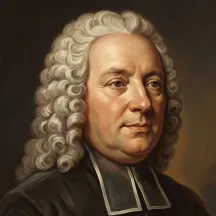
Abbé Prévost (b. 1697) was a French author, translator, and clergyman whose compelling narratives bridged the gap between the classical French tradition and the emerging emotional intensity of the pre-Romantic era. Best known for his psychological depth and vivid portrayals of passion, he stands as a defining figure of 18th-century European literature.
Born Antoine-François Prévost in Hesdin, France, he lived a remarkably turbulent and peripatetic life that heavily influenced his literary output. After studying with the Jesuits, he alternated multiple times between military service and the monastic life, eventually joining the Benedictine order of Saint-Maur in 1721. Constant friction with monastic discipline and financial difficulties led him to flee France in 1728 for England and Holland, where he began writing novels and supporting himself through translation and journalism.
During his years of exile, Prévost absorbed English culture and philosophy, which profoundly shaped his worldview and writing style. He returned to France in 1734 after obtaining a papal pardon, eventually securing the patronage of the Prince de Conti as his chaplain and later serving as an editor of the cultural journal Le Pour et contre. His extensive literary output included monumental translations of English works, notably the novels of Samuel Richardson, and vast multi-volume travel and historical compilations that reflected the Enlightenment thirst for empirical knowledge.
Essential Reading
- Manon Lescaut (1731): This tragic masterpiece explores the destructive power of all-consuming love through the downfall of the Chevalier des Grieux and his captivating, morally complex mistress.
- The Story of a Greek Girl (Cleveland) (1731): This sprawling multi-volume adventure novel follows the harrowing spiritual and physical trials of a noble Protestant protagonist fleeing religious persecution across Europe and America.