1865 - 1936
Joseph Rudyard Kipling (b. 1865) was an English journalist, short-story writer, poet, and novelist. He is best known for his vivid tales of British imperialism and his enduring adventure classics set in India. His masterful storytelling and distinct poetic rhythm made him one of the most prominent literary figures of the late nineteenth and early twentieth centuries.
Born in Bombay, British India, Kipling was sent to England for his education at a young age, an early displacement that heavily shaped his worldview and writing. He returned to India in 1882 to work as a journalist for the Civil and Military Gazette, where he published his first collections of poetry and short stories. These formative years in Lahore provided him with a wealth of cultural experiences and settings that fueled his rapid international rise in the literary world.
In 1907, Kipling received the Nobel Prize in Literature, becoming the first English-language writer to win the prestigious award. Throughout his prolific career, he produced influential works that examined the complexities of empire alongside timeless explorations of human nature and morality. Though his later years were marked by personal tragedy, including the loss of his son in World War I, his literary output left a lasting imprint on global literature.
Essential Reading
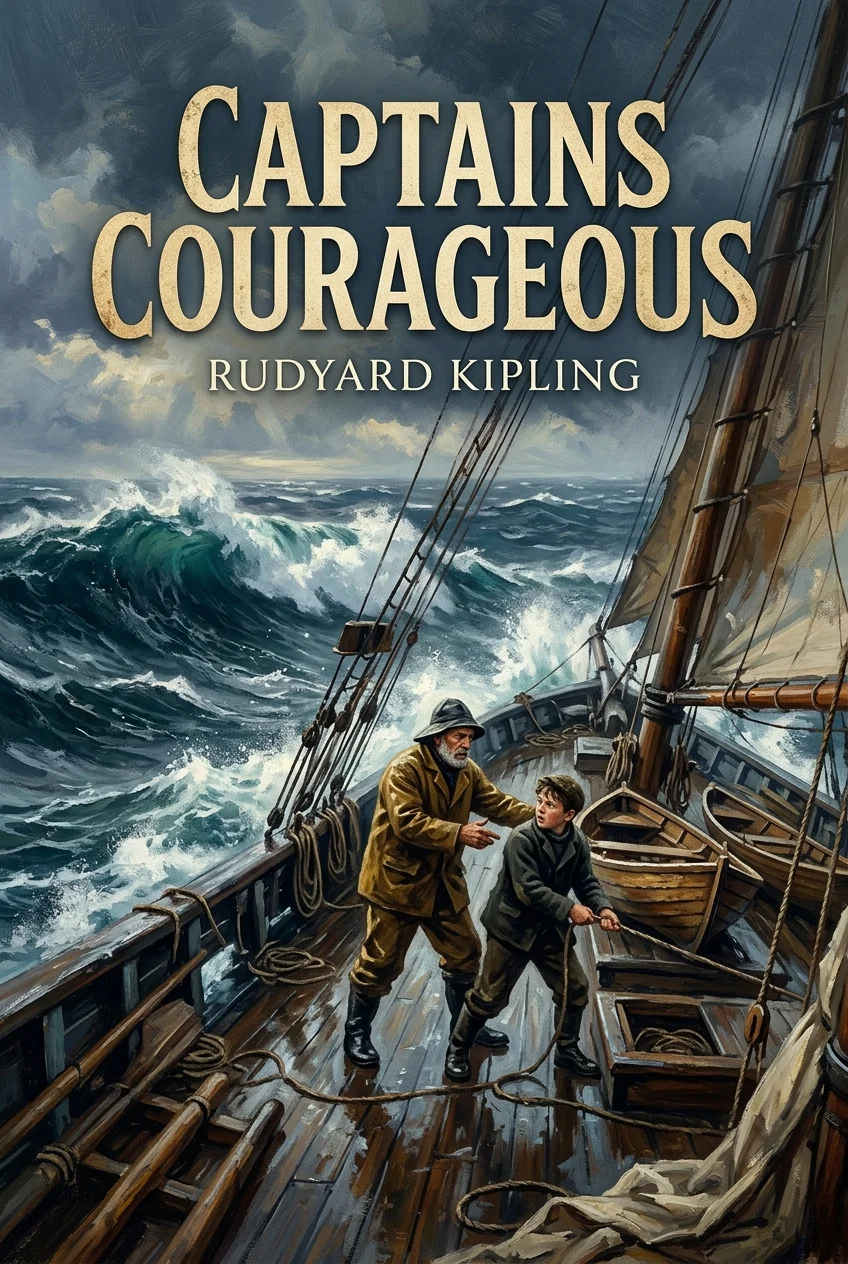
- Captains Courageous (1897): This gripping adventure novel follows the spoiled son of an American millionaire who falls overboard and is rescued by resilient Gloucester fishermen, transforming his character through hard labor at sea.
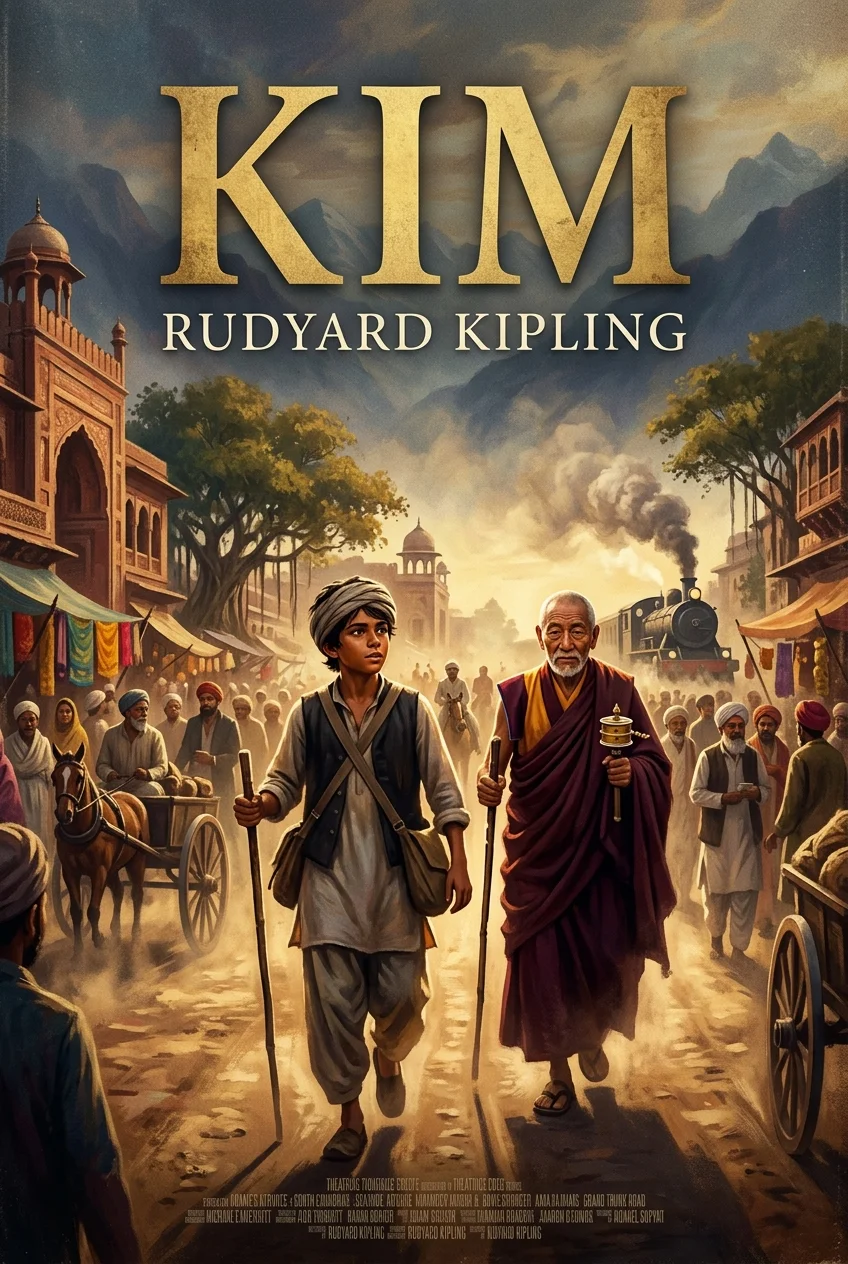
- Kim (1901): Set against the backdrop of political espionage in British India, this classic masterpiece explores the identity and thrilling travels of an orphaned Anglo-Indian boy.
- The Jungle Book (1894): This beloved collection of animal fables explores society and natural law through the upbringing of an abandoned human boy raised by wolves in the Indian wilderness.