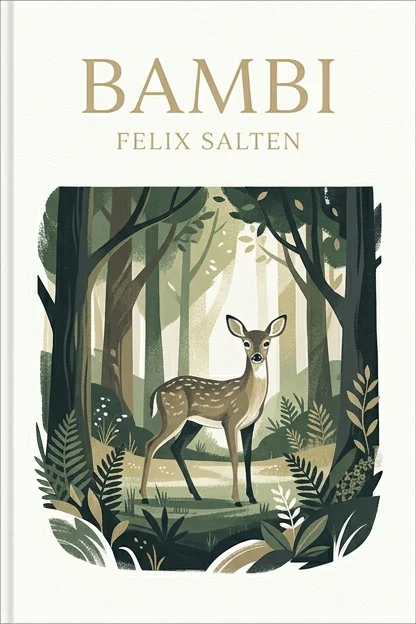
Bambi
Forget the fairy tale. Felix Salten’s original masterpiece is a visceral, poetic exploration of survival in a world of beauty and terror. This coming-of-age story follows Bambi from his first steps to his ascension as a solitary prince of the forest. Beyond a simple animal fable, it is a profound meditation on mortality, the cruelty of nature, and the looming shadow of humanity. Experience a hauntingly realistic journey of sensory mastery and existential wisdom in this timeless classic.
About the Author

More in Fiction










Top Read This Month
The Green Eagle

The Adventures of Sherlock Holmes
King James Bible
The Thousand-Headed Man

Dispatches From the Ruhr
Beyond Good and Evil
The Bible | English Revised Version
The Life and Adventures of Robinson Crusoe
Darby Bible Translation

Religious Freedom: Between Theory and Reality