1860 - 1904
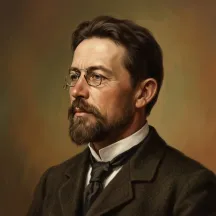
Anton Pavlovich Chekhov (b. 1860) was a Russian physician, playwright, and short-story writer recognized as one of the most influential figures in modern world literature. Practicing medicine alongside his creative pursuits, he revolutionized fiction and modern drama through his understated realism, subtle irony, and deep psychological insight.
Born in Taganrog, Chekhov graduated in medicine from Moscow University in 1884, initially publishing comedic sketches to financially support his family. In 1890, he undertook an arduous journey across Siberia to the remote Sakhalin penal colony, conducting a comprehensive census of thousands of convicts, an experience that deeply informed the moral conscience and social realism of his fiction.
In his later years, residing at his Melikhovo estate and subsequently in Yalta, Chekhov forged a historic partnership with the Moscow Art Theatre before his death from tuberculosis in 1904. His innovative narrative techniques, emphasizing atmosphere, subtext, and anti-climactic realism over dramatic melodrama, permanently reshaped the possibilities of modern drama and the short story.
Essential Reading
- Ionych (أيونيتش) (1898): This poignant story charts the gradual moral and spiritual stagnation of an idealistic provincial doctor who succumbs to complacency and materialism.
- The Beauties (الحسناوان) (1888): A lyrical exploration of fleeting, unobtainable beauty observed during two brief encounters in the Russian steppe and at a railway station.
- The Lady with the Dog (السيدة صاحبة الكلب) (1899): Widely regarded as a masterpiece of world literature, this story follows a transformative and unexpected love affair between two unhappily married vacationers in Yalta.
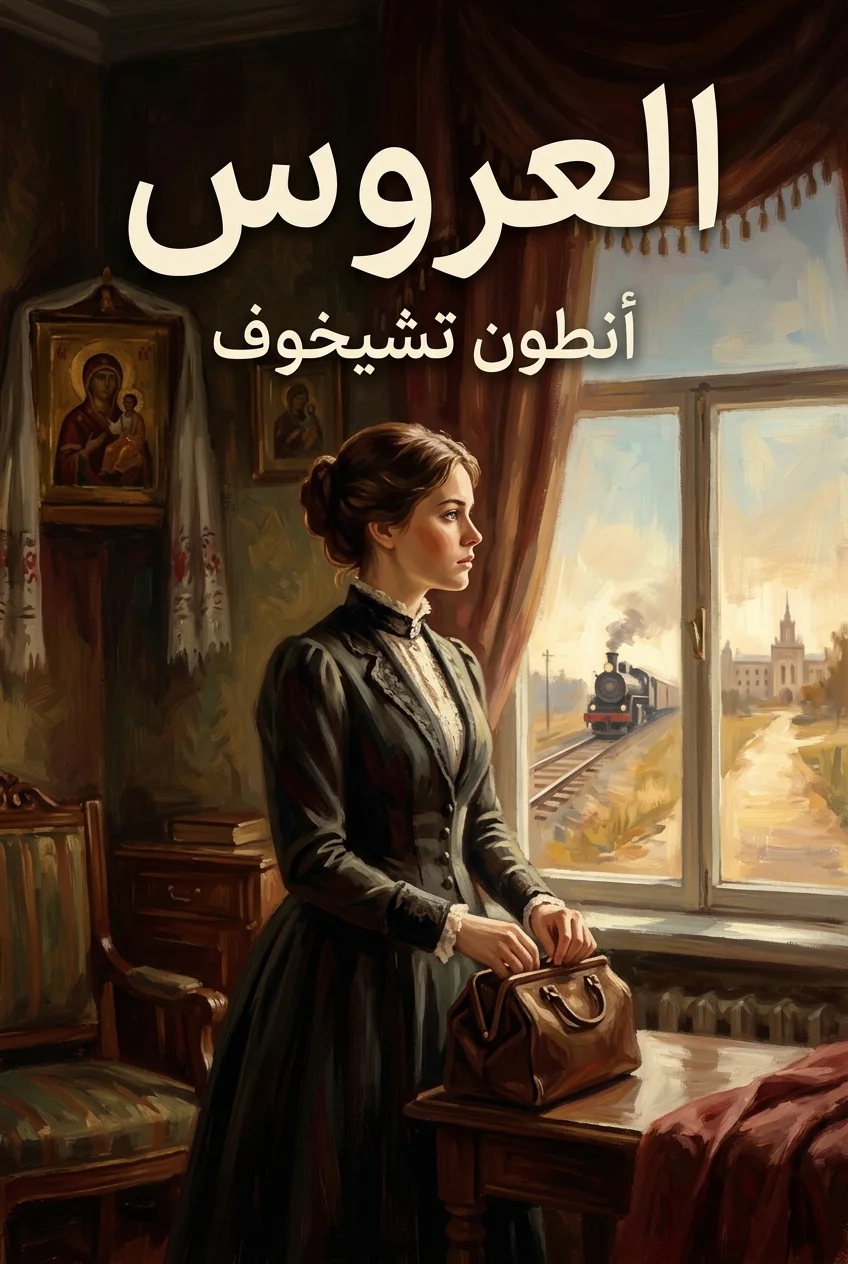
- The Bride (العروس) (1903): Chekhov's final completed short story depicts a young woman who finds the courage to reject a conventional provincial marriage in pursuit of education and self-determination.
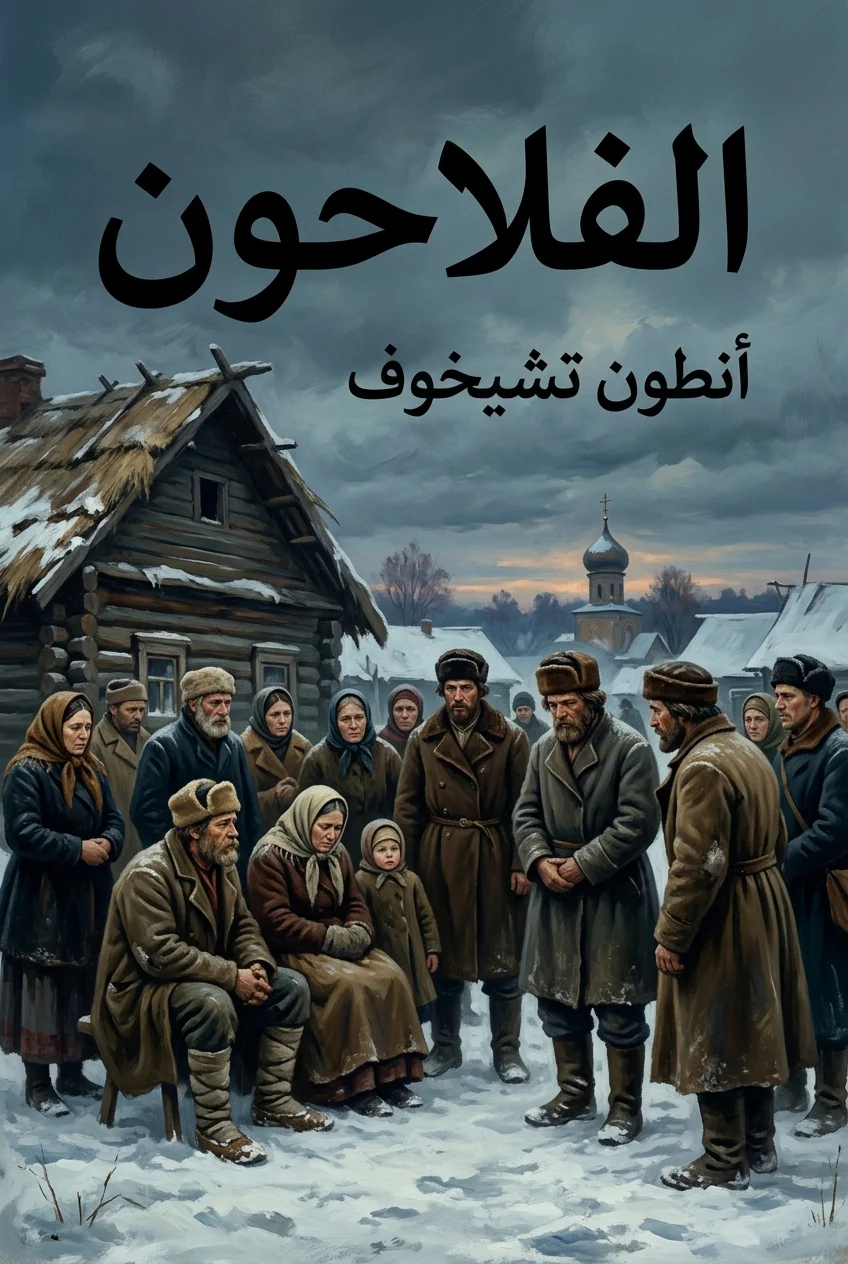
- Peasants (الفلاحون) (1897): A candid and bleak examination of poverty, despair, and daily struggle in a late-nineteenth-century Russian village.
- The Kiss (القُبلة) (1887): An introspective study of human fantasy and disillusionment sparked when a shy artillery officer is mistakenly kissed in a darkened room.
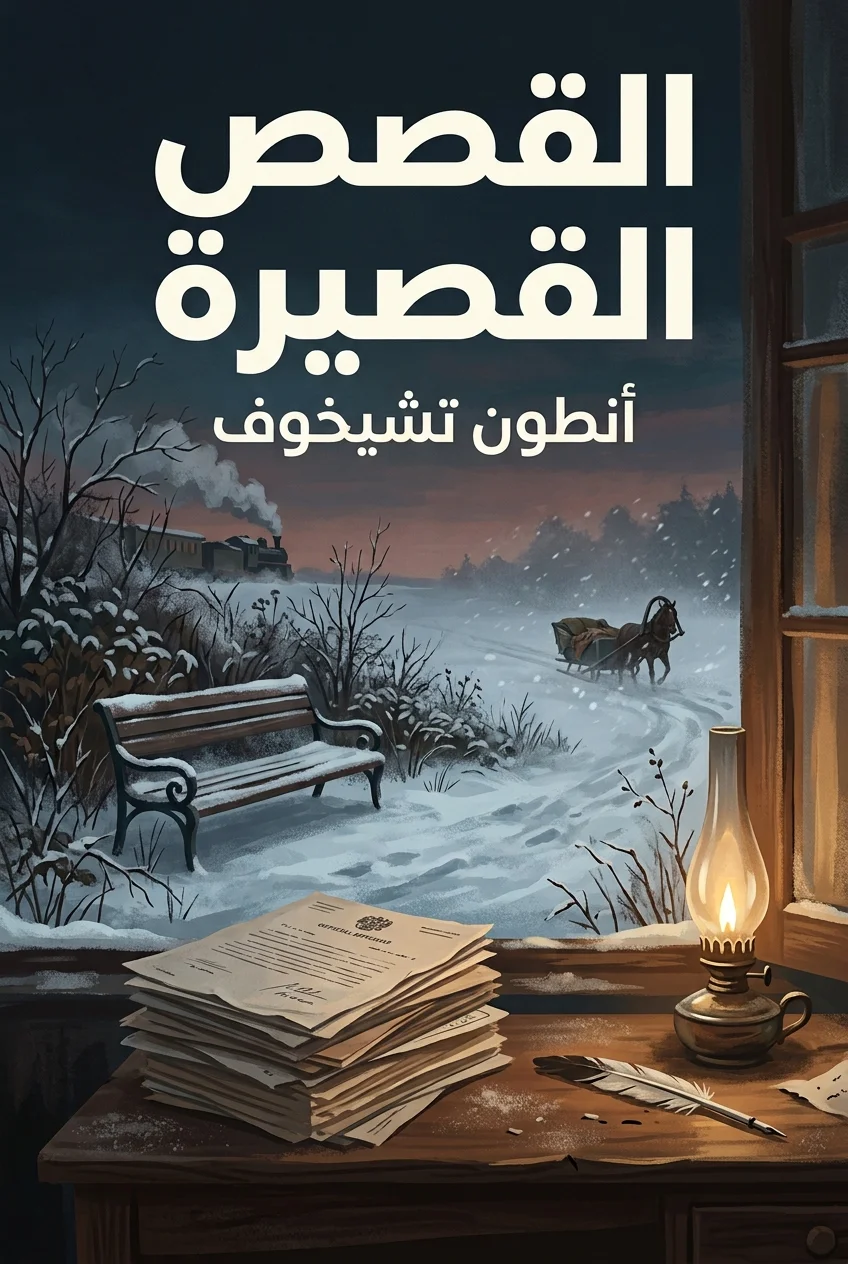
- Short Stories (القصص القصيرة) (1900): A comprehensive anthology capturing Chekhov's unparalleled mastery in portraying the humor, pathos, and quiet tragedy of ordinary human lives.