1927 - 2002
Sarwat Abaza (1927–2002) was a prominent Egyptian novelist, journalist, and playwright who made foundational contributions to modern Arabic literature. Born into a celebrated literary family in Sharqia Governorate, he rose to become one of Egypt's most influential cultural leaders, serving as president of the Egyptian Writers Syndicate and deputy speaker of the Shura Council. His prolific career yielded dozens of novels, radio plays, and short stories that critically examined Egyptian society, political authority, and moral integrity.
After earning a law degree from Cairo University in 1950, Abaza briefly practiced law before devoting himself to writing and journalism. He served as a long-time columnist for major publications including Al-Ahram, using his platform to address public ethics, governance, and social reform. Deeply influenced by his legal training and the sociopolitical shifts of mid-century Egypt, his writing frequently combined subtle political allegory with realistic depictions of both rural and urban life.
Abaza earned widespread recognition across the Arab world and received prestigious national honors, including the Egyptian State Merit Award in Literature. His legacy endures through his rich narrative technique, refined classical prose, and steadfast dedication to exploring ethical dilemmas and social justice in Egyptian society.
Essential Reading
- The New Adam / Adam Al-Jadid (1946): An early literary work that explores personal conscience, psychological conflict, and human redemption.
- Swimming in the Sand / Al-Sibaha fi Al-Rimal (1988): A compelling narrative portraying human endurance and emotional struggles against difficult social landscapes.
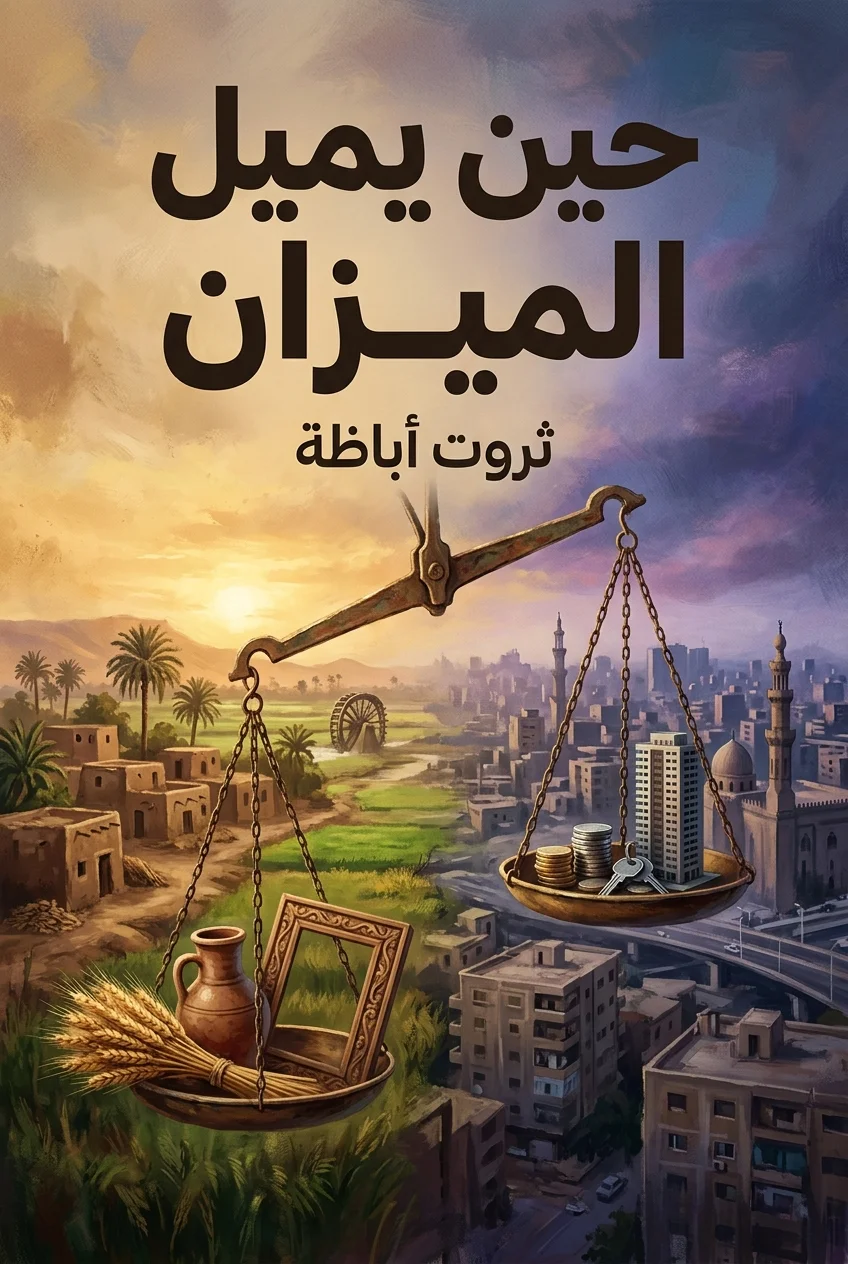
- When the Balance Tips / Hina Yamil Al-Mizan (1970): A reflective novel examining systemic inequities and the disruption of justice within contemporary society.
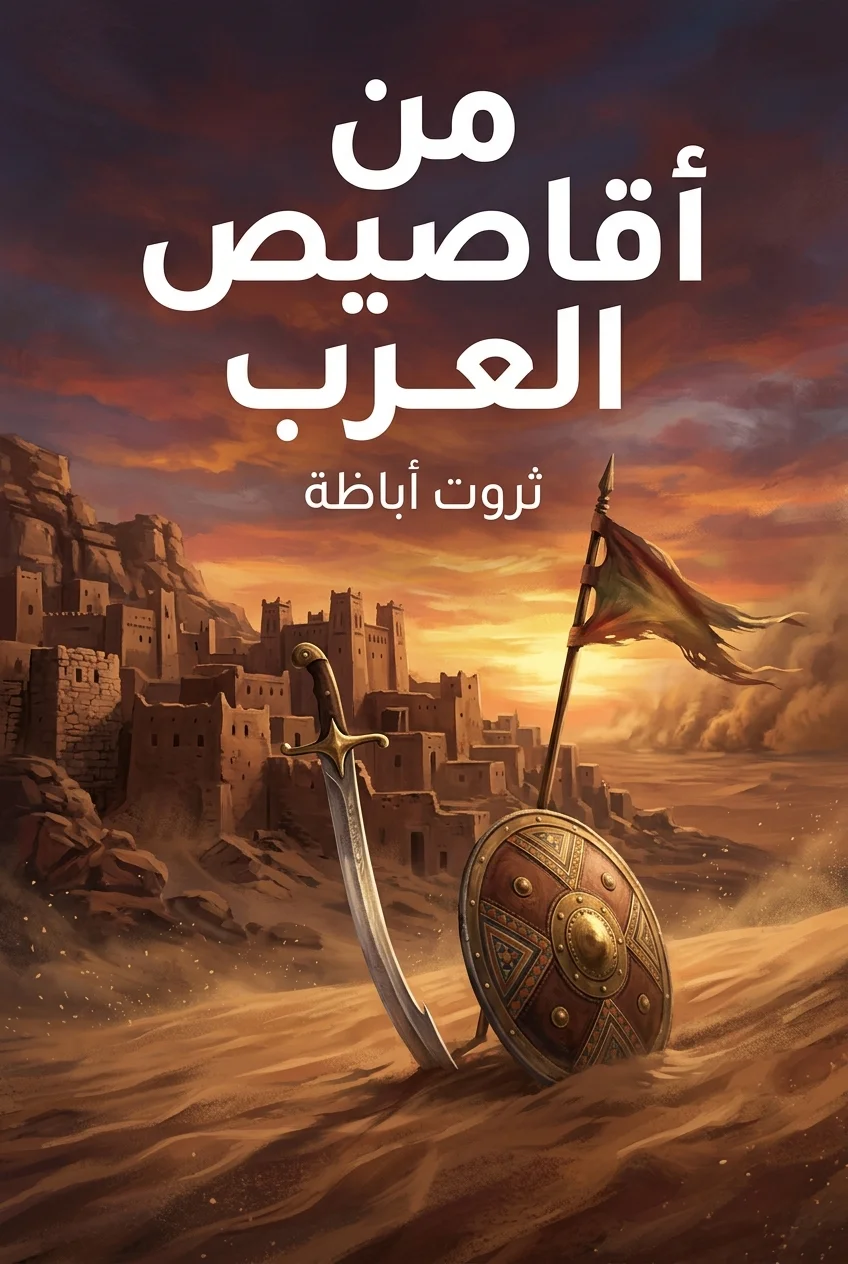
- From the Tales of the Arabs / Min Aqasiss Al-Arab (1998): A rich collection that draws upon traditional Arab heritage and classical storytelling to impart timeless moral lessons.
- This Game / Hadhihi Al-Lu'ba (1984): A dramatic story focusing on power dynamics, interpersonal deception, and social maneuvering.