1900 - 1954
James Hilton (1900-1954) was an English novelist and screenwriter whose imaginative storytelling left an indelible mark on twentieth-century popular culture. Best known for creating the utopian paradise of Shangri-La and the beloved schoolmaster Mr. Chipping, his works blended romantic idealism with a gentle critique of modern society. His narrative skill earned him immense commercial success and a lasting legacy in both literature and cinema.
Born in Leigh, Lancashire, Hilton was the son of a headmaster, an upbringing that deeply influenced his depiction of academic life in his later fiction. He attended Christ's College, Cambridge, where he wrote his first novel and completed his degree in English and history in 1921. Hilton struggled for several years as a journalist and novelist until the publication of his breakout works in the early 1930s brought him international acclaim.
Following his literary success, Hilton relocated to Hollywood, California, in the late 1930s to work as a screenwriter, successfully adapting to the American film industry. His experiences during the turbulent years of the Great Depression and World War II shaped his narratives, which often offered comforting, nostalgic escapes for a war-weary public. He went on to win an Academy Award in 1942 for his screenwriting contribution to the film Mrs. Miniver, before his untimely death in Long Beach in 1954.
Essential Reading
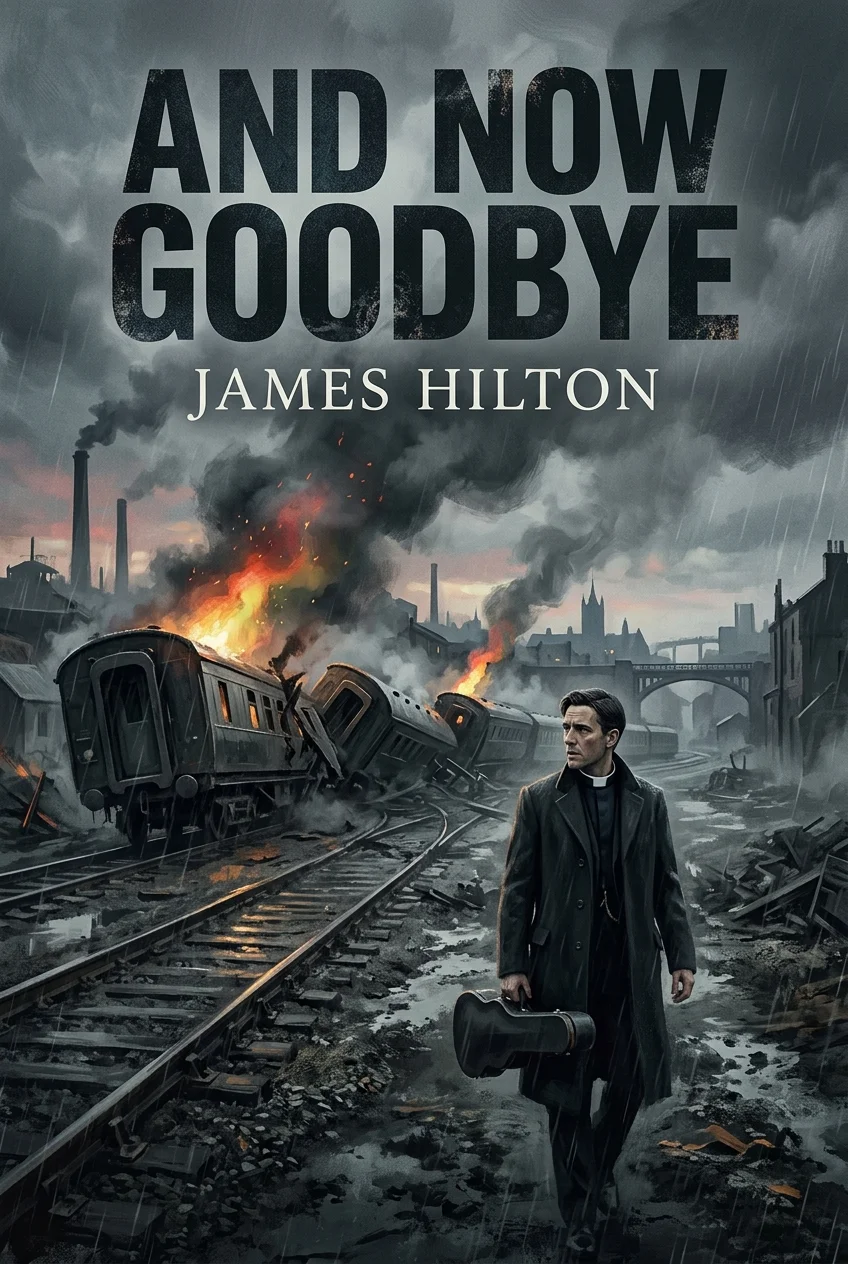
- And Now Goodbye (1931): This poignant novel follows a dedicated Methodist minister whose life is forever changed after a fateful train journey and a brief, tragic romance.
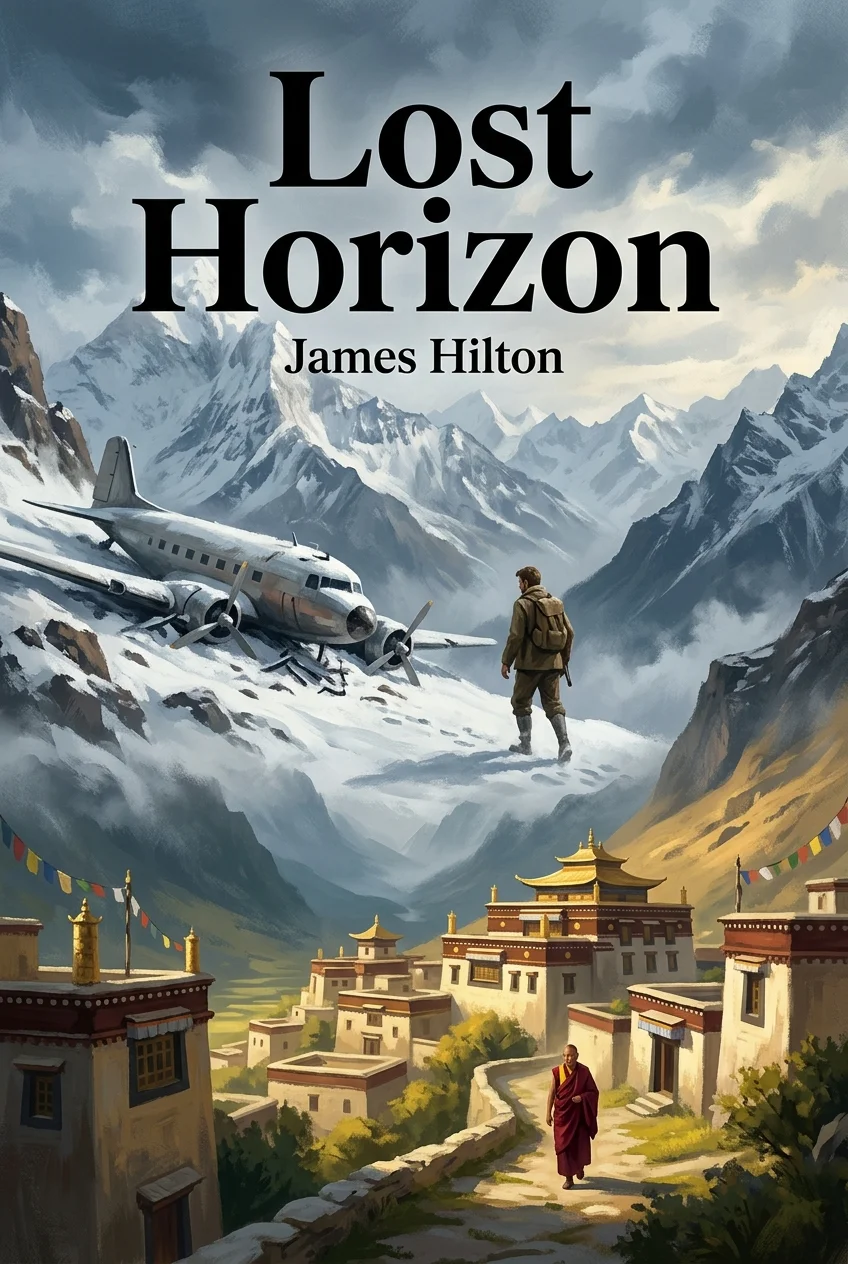
- Lost Horizon (1933): A thrilling adventure that introduces readers to the mythical, peaceful Himalayan valley of Shangri-La, exploring themes of escapism and wisdom.
- Goodbye, Mr. Chips (1934): A heartwarming novella that chronicles the life, career, and quiet influence of a beloved English boarding school teacher.
- Random Harvest (1941): A gripping romantic mystery centering on an industrialist trying to reclaim the lost years of his life after suffering amnesia during World War I.