1881 - 1955
Muhammad Salim al-Jundi (1881) was a Syrian linguist, teacher, historian, and poet, considered one of the most prominent figures of the literary renaissance and guardians of the Arabic language in the first half of the twentieth century. He was a member of the Arab Academy of Damascus and left a significant impact in the fields of education, history, and linguistic research.
Al-Jundi was born in the city of Ma'arrat al-Nu'man in Idlib Governorate, and his family lineage traces back to Al-Abbas ibn Abd al-Muttalib. He was distinguished by an early intelligence, memorizing the Holy Quran and completing four years of study at the Rushdiyya school in just two years thanks to his powerful memory. He migrated with his father, who was the Mufti of Ma'arra, to Damascus in 1901, where he studied religious and Arabic sciences under its prominent scholars and specialized in Hanafi jurisprudence. He later worked as a proofreader in the Bureau of Correspondence and chief clerk of the Arabic section in the Military Governor's Bureau following the departure of the Ottomans.
In 1924, he was appointed professor of Arabic literature and rhetoric at Maktab Anbar (the Preparatory School), and notable figures studied under him, including Said al-Afghani, Ali al-Tantawi, and Anwar al-Attar. He was later appointed inspector and then director of the Sharia College in Damascus in 1948. He was captivated by the thought of his fellow townsman, Abu al-Ala al-Ma'arri, studying his work deeply and following in his style. He continued his scholarly and literary contributions until his death in Damascus in 1955, leaving behind a manuscript collection of poetry and numerous linguistic and historical works for the Arabic library.
Major Works:
- Al-Jami' fi Akhbar Abi al-Ala al-Ma'arri wa Atharih (The Comprehensive Collection on the Accounts and Works of Abu al-Ala al-Ma'arri): An extensive two-volume study addressing the biography, thought, and literary output of Abu al-Ala al-Ma'arri.
- Tarikh Ma'arrat al-Nu'man (The History of Ma'arrat al-Nu'man): A documentary historical book reviewing the history and accounts of the city of Ma'arrat al-Nu'man.
- Islah al-Fasid min Lughat al-Jara'id (Rectifying the Corrupt in Journalistic Language): A linguistic work focused on linguistic correction and rectifying common errors in the language of the press.
- Tahqiq Kitab Risalat al-Mala'ikah (Critical Edition of the Epistle of Angels): A scholarly and critical editing of the book Risalat al-Mala'ikah by Abu al-Ala al-Ma'arri.
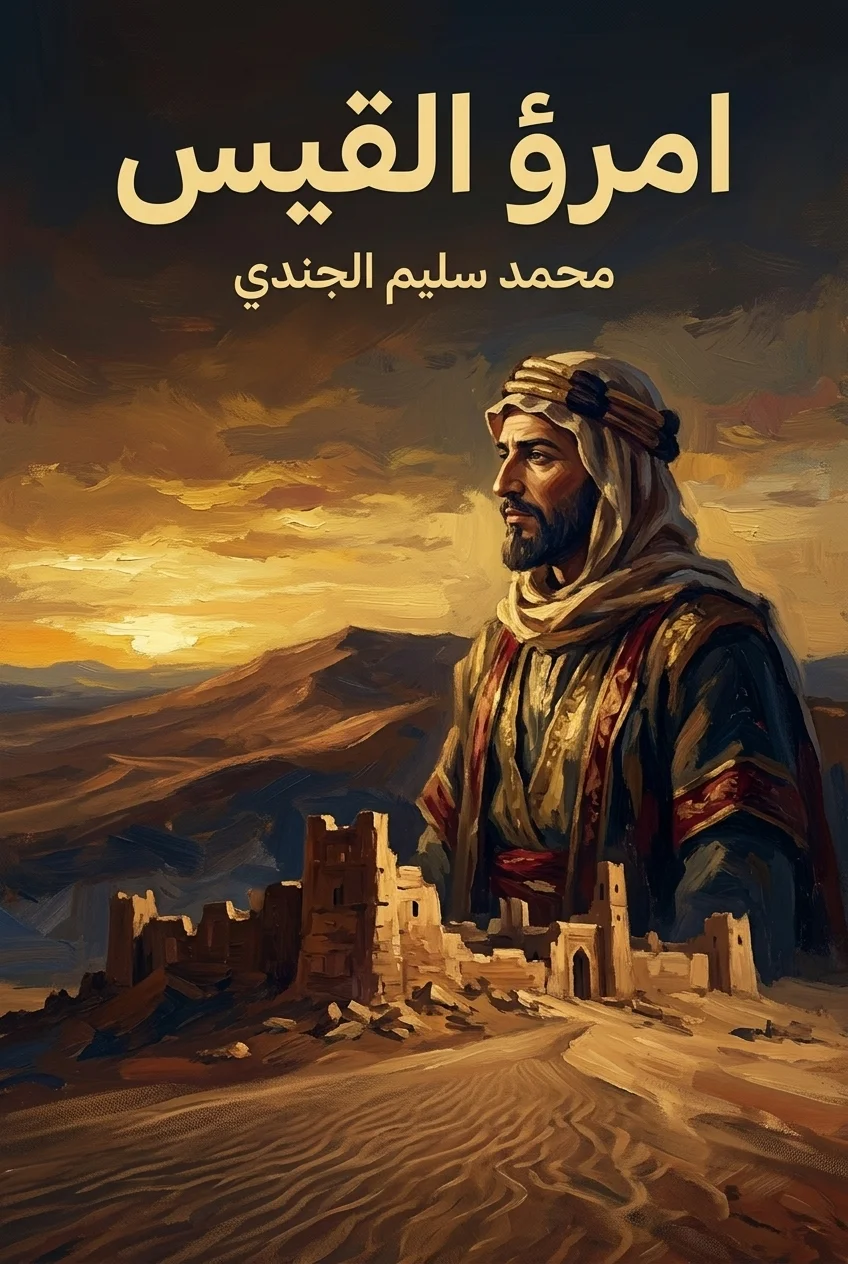
- Imru' al-Qais: A literary study examining the poetry and history of the poet Imru' al-Qais.
- Diwan Shi'r Makhut (Manuscript Poetry Collection): A poetic collection comprising the author's handwritten poems and poetic works.