1881 - 1948
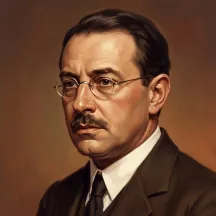
Emil Ludwig (b. 1881) was a German-Swiss author and biographer known for popularizing a narrative, psychologically driven style of biography in the early twentieth century. He earned international acclaim for his vivid portraits of major historical figures, blending research with dramatic storytelling. His insightful character studies reshaped modern biographical literature and reached millions of readers worldwide.
Born in Breslau, Germany, Ludwig studied law before committing himself fully to writing plays, poetry, and journalism. During World War I, he served as a foreign correspondent in Istanbul, an experience that deepened his fascination with political power and international affairs. In 1932, anticipating the political turmoil in Europe, he acquired Swiss citizenship and spent much of his later life living in Switzerland and the United States.
Ludwig's distinctive literary approach relied on analyzing personal motives and human temperament rather than merely recording historical facts. Throughout his career, he conducted high-profile personal interviews with prominent figures, including Benito Mussolini, Joseph Stalin, and Franklin D. Roosevelt. His critical perspective on German nationalism eventually led to the banning and public burning of his books by the Nazi regime in 1933.
Essential Reading:
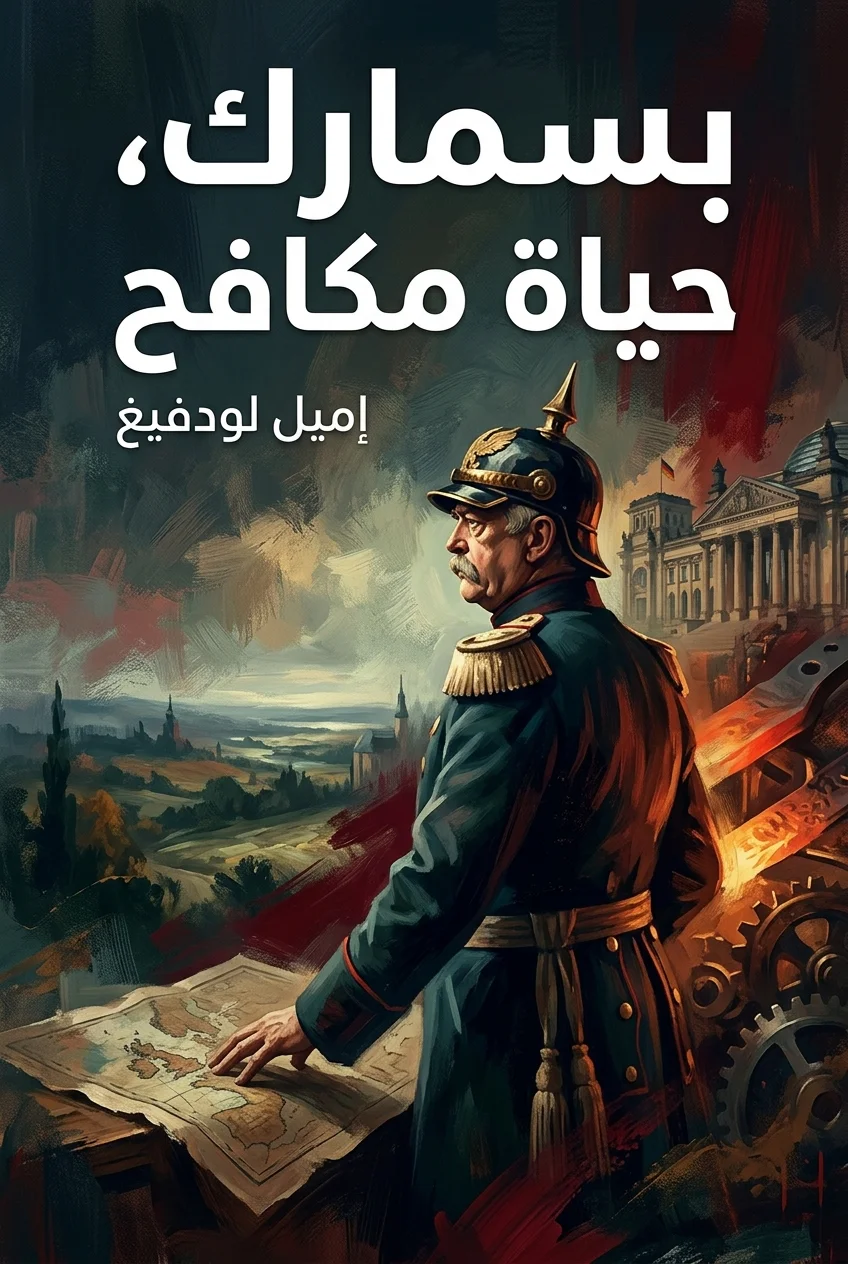
- Bismarck (1926): A comprehensive narrative biography exploring the complex personality, political strategies, and legacy of the statesman who unified Germany.
- Gifts of Life: A Retrospect (1931): A reflective autobiographical work detailing the author's own intellectual journey, personal struggles, and encounters with notable figures of his era.
- Napoleon (1926): A groundbreaking psychological portrait that captures the dramatic rise and fall of the French emperor through his inner ambitions and military triumphs.