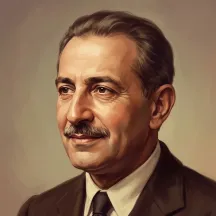
1876 - 1940
Ameen Fares Rihani (1876–1940) was a Lebanese-American essayist, poet, novelist, political activist, and travel writer. Widely regarded as the founder of Arab-American literature, he played a pivotal role in the Mahjar (immigrant literary) movement and bridged Eastern and Western intellectual traditions. His pioneering works introduced free verse to Arabic poetry and provided valuable historical testimonies of the Arab world in the early twentieth century.
Born in Freike, Lebanon, Rihani emigrated to New York City at the age of twelve, where he taught himself English and later studied law. His dual upbringing in the United States and the Middle East deeply influenced his philosophy, which was rooted in intercultural dialogue, anti-imperialism, and Pan-Arab unity. Throughout his life, he traveled extensively across the Arabian Peninsula, meeting with prominent regional leaders and documenting the geopolitical transformations of the era.
His prolific literary output spanned both Arabic and English, earning him international recognition as a literary diplomat and a visionary thinker. He dedicated his writings to advocating political reform, Arab independence, and cultural exchange until his death in Freike in 1940.
Essential Readings
- The Rihaniat (الريحانيات) (1910): A monumental collection of philosophical and social essays offering a sharp critique of modern society and tradition.
- The Muleteer and the Priest (المكاري والكاهن) (1904): A critical novel exploring social hypocrisy and religious authority in Lebanese village life.
- Out of the Harem (خارج الحريم) (1917): A profound work addressing women's rights and social liberation in Eastern society.
- The Triple Alliance in the Animal Kingdom (المحالفة الثلاثية في المملكة الحيوانية) (1903): An early satirical allegory criticizing political despotism and corruption through symbolic animal characters.
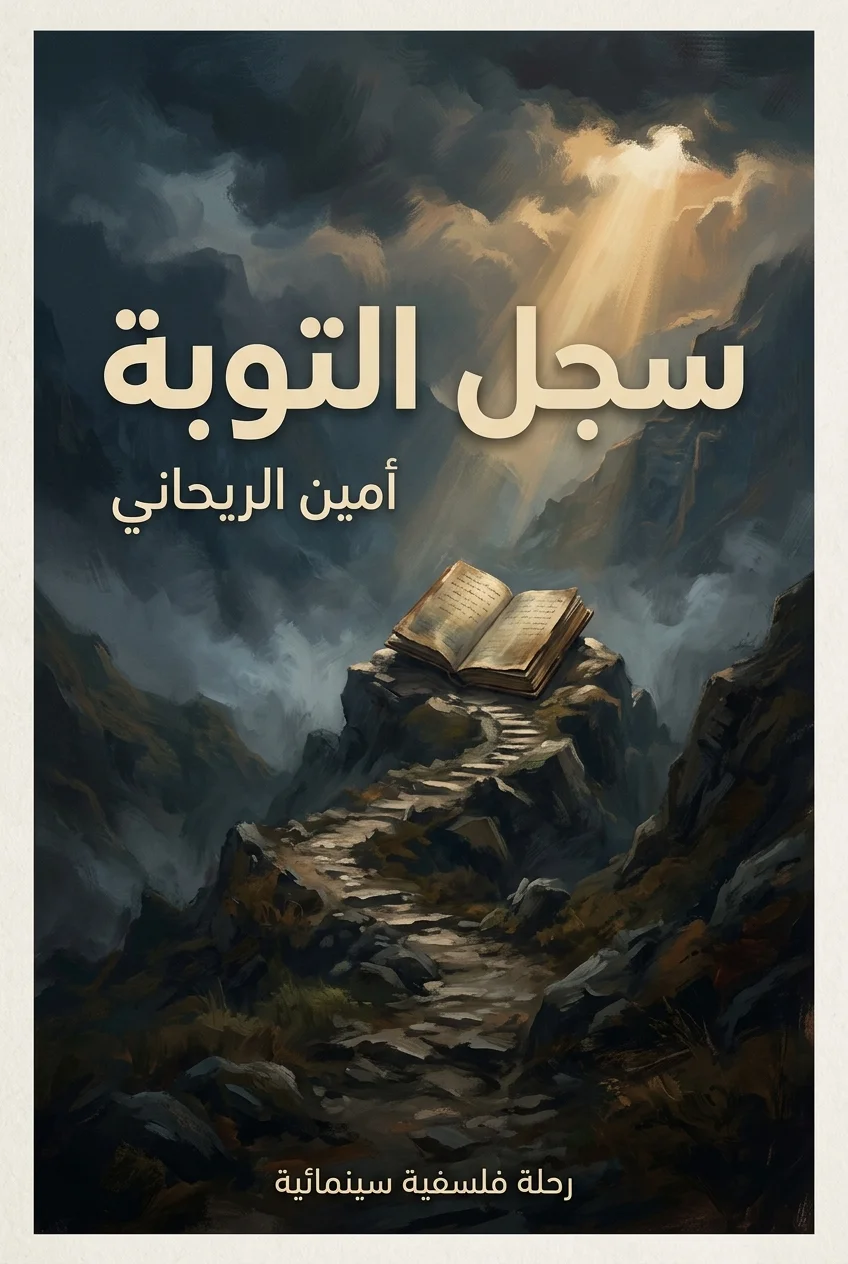
- The Record of Repentance (سجل التوبة) (1902): A reflective literary work dealing with morality, self-accountability, and spiritual transformation.
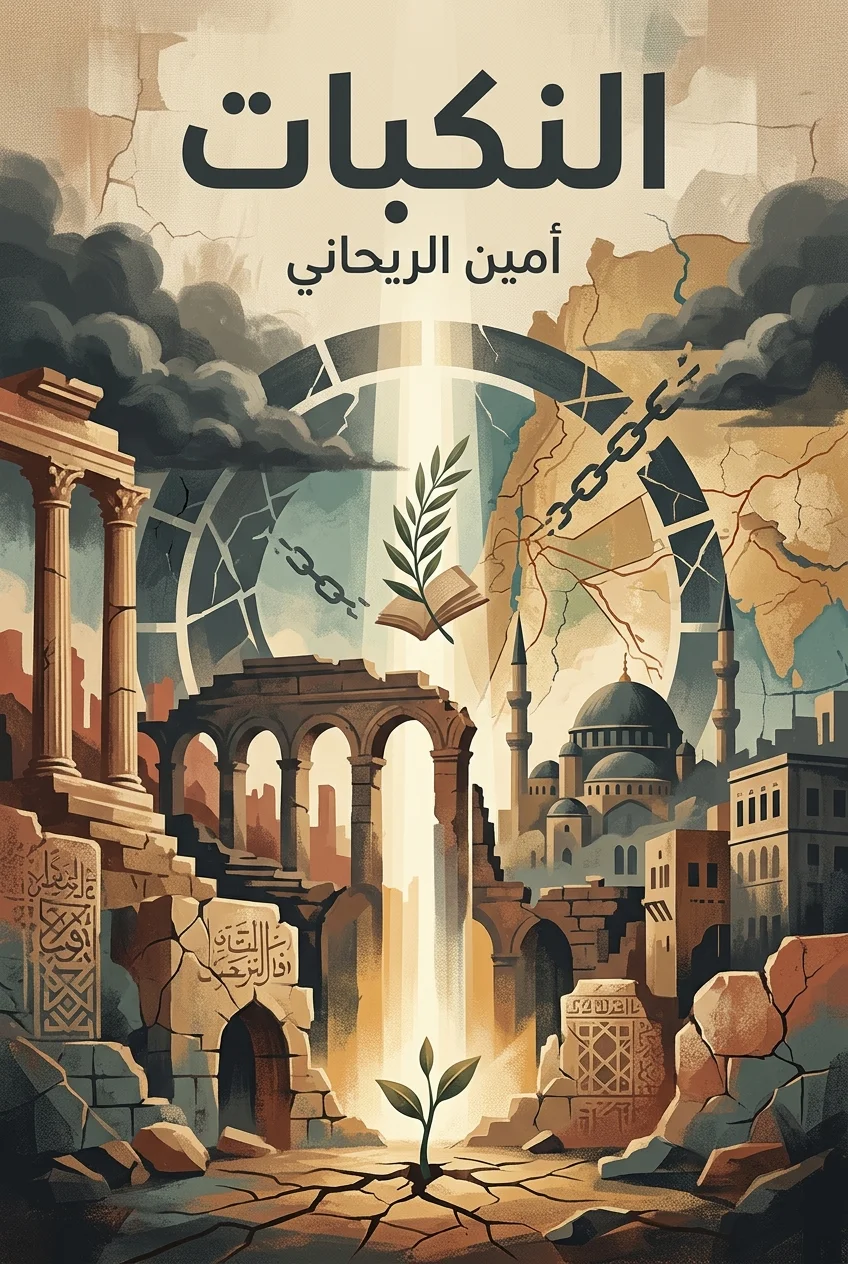
- The Calamities (النكبات) (1908): Historical and social reflections on the political unrest and struggles facing the Arab region.
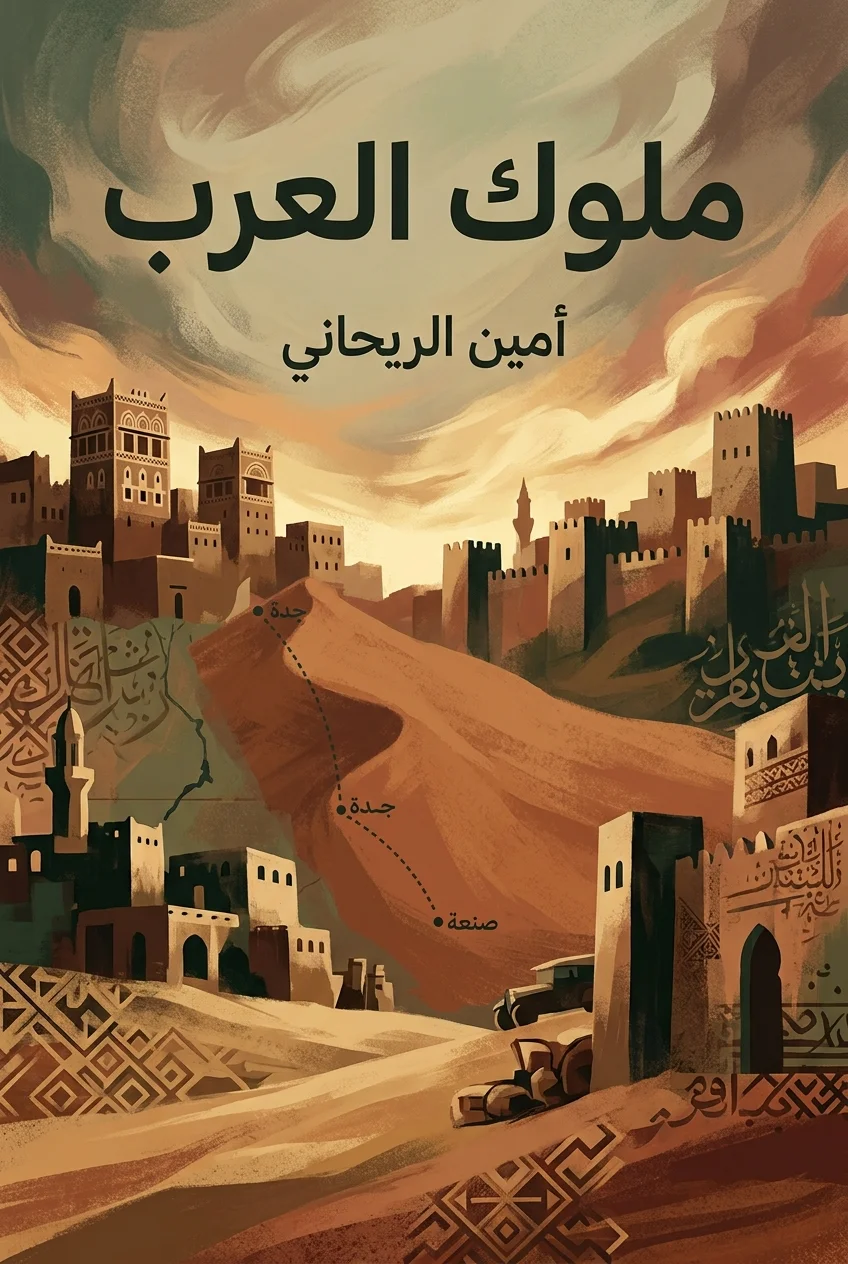
- Kings of the Arabs (ملوك العرب) (1924): A pioneering travelogue and political analysis based on Rihani's personal encounters with the kings and sheikhs of the Arabian Peninsula.
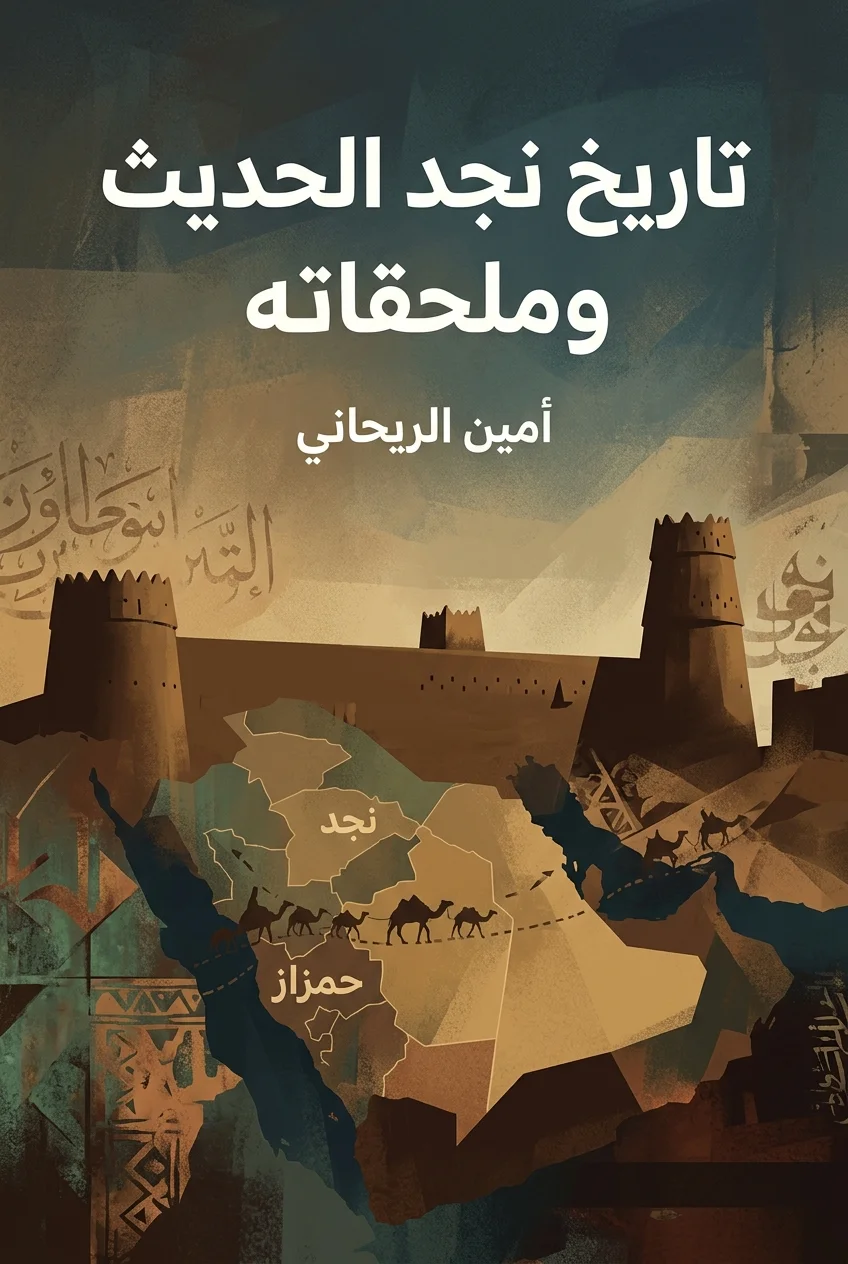
- History of Modern Najd and Its Dependencies (تاريخ نجد الحديث وملحقاته) (1928): A foundational historical chronicle detailing the establishment and development of the modern Saudi state.
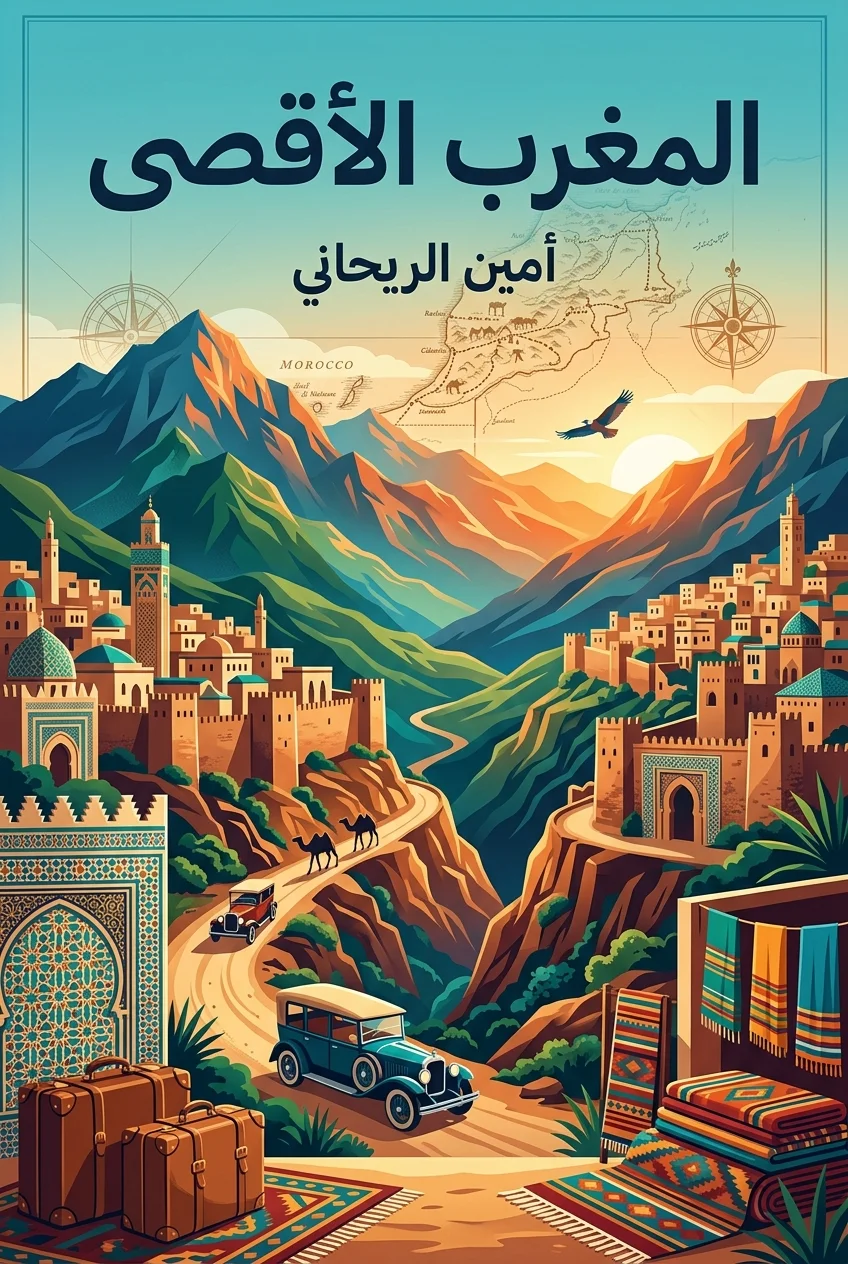
- The Far West (المغرب الأقصى) (1952): A vivid travel memoir documenting Rihani's observations and journeys across Morocco.
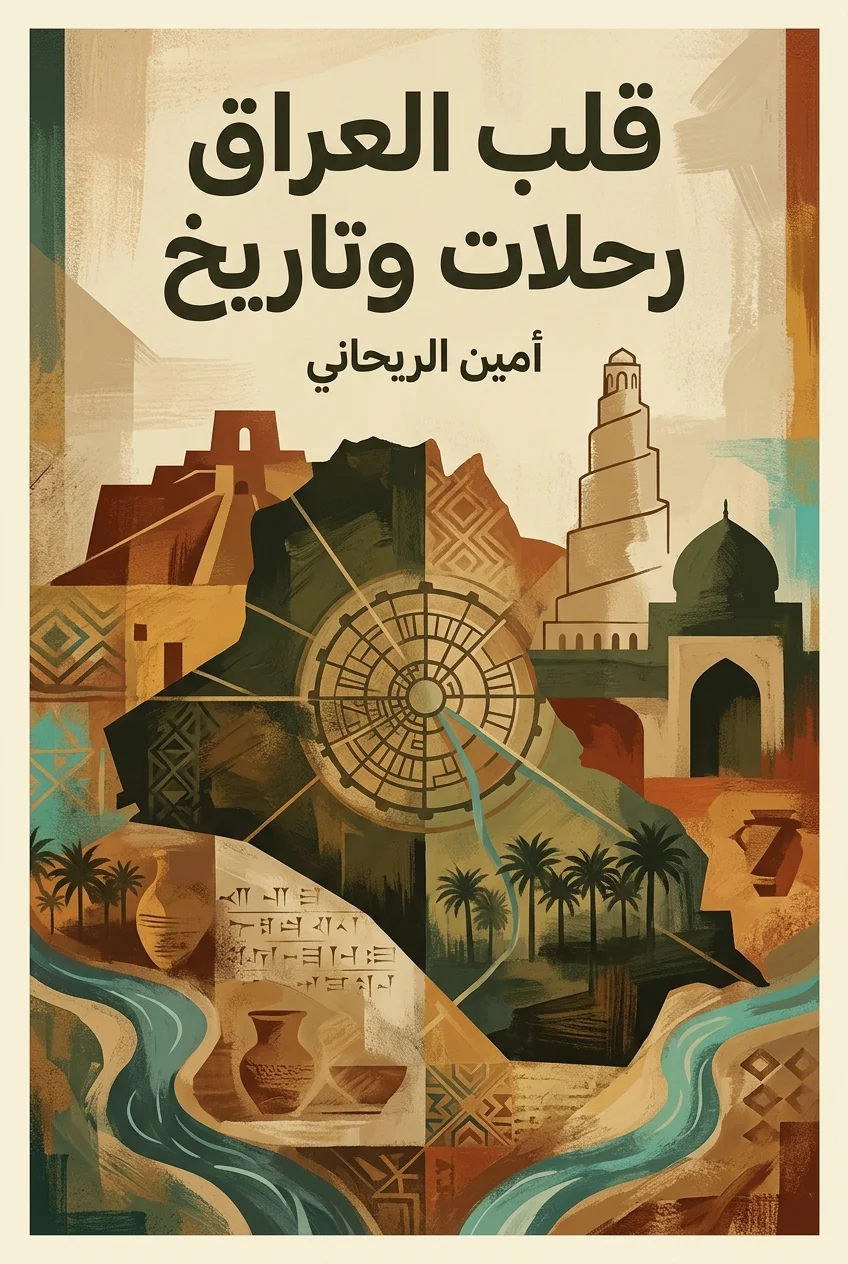
- The Heart of Iraq: Travels and History (قلب العراق: رحلات وتاريخ) (1935): A comprehensive travel book combining history, geography, and personal observations on Iraqi society.
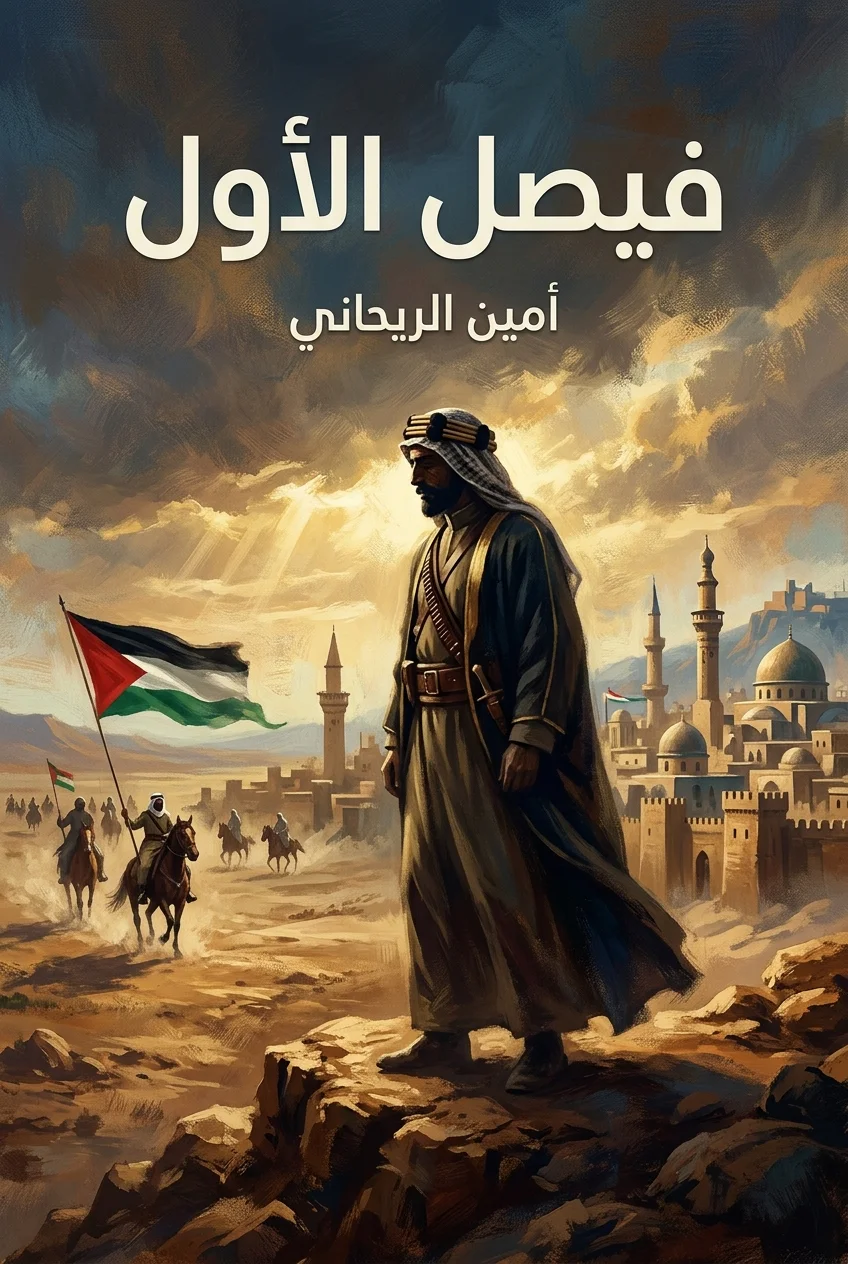
- Faisal the First (فيصل الأول) (1933): A detailed biographical and political portrait of King Faisal I of Iraq and his historical legacy.
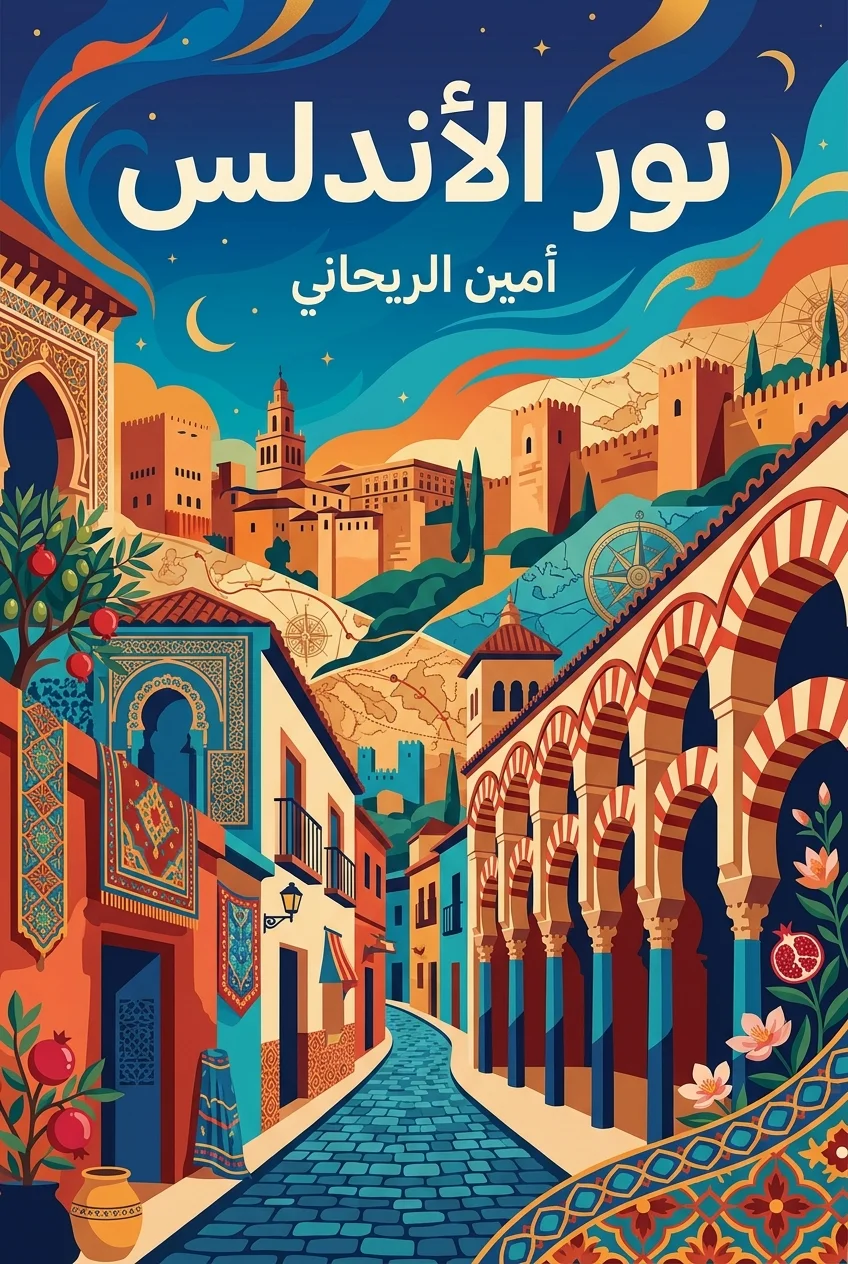
- The Light of Andalusia (نور الأندلس) (1936): An evocative travelogue recalling the cultural heritage and historical legacy of Islamic Andalusia.
- The Fidelity of Time (وفاء الزمان) (1934): A dramatic play blending historical narrative with themes of loyalty, fate, and human morality.