1903 - 1947
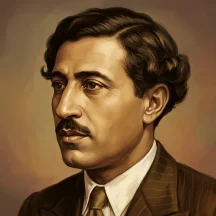
Elias Abu Chabake (1903-1947) was a Lebanese poet, writer, and translator, considered one of the most prominent pioneers of the Romantic school in modern Arabic poetry and one of the founders of the "League of Ten" literary group. He was distinguished by his innovative poetic style, which blended intense emotion, humanistic tendencies, and rebellion against traditional forms, making him a significant milestone in the journey of the Arab literary renaissance in the first half of the 20th century.
Elias Abou Chabake was born in the French capital, Paris, to a Lebanese family. He then returned with his family to Lebanon, where he grew up in the town of Zouk Mikael and received his education at Ain Toura School. In his early youth, he faced the tragedy of his father's murder by thieves in 1913, a painful event that left a deep impact on his soul and shaped the tone of sadness and rebellion that dominated his later poems. He was forced to leave his studies and work in journalism and teaching to support his family, writing for major Lebanese and Arab newspapers and magazines such as Al-Makshouf and Al-Jumhur.
Abou Chabake, along with a group of writers of his generation, founded the "League of Ten" in the 1930s, a literary movement that called for renewal and fought against linguistic stagnation and blind imitation in Arabic literature. His creativity was not limited to original poetry; it also extended to translation and Arabization from French, where he rendered masterpieces of world literature into Arabic with a sensitive poetic spirit, influenced by French Romanticism, which was clearly evident in his artistic formulation and his philosophical vision of life, death, and love.
Key Works
- Al-Alhan (Melodies) (1941): A poetry collection representing the peak of the poet's artistic maturity, in which he plays on the strings of nature and love in a sweet romantic style overflowing with emotion.
- Nida' al-Qalb (Call of the Heart) (1944): A poetry collection embodying the struggles of the human soul between body and spirit, highlighting the writer's unique ability to portray deep emotional feelings.
- Min Sa'id al-Aliha (From the Land of the Gods) (1940): A collection including high-level contemplative and philosophical poems, in which the poet draws inspiration from mythological symbols to express issues of human existence.
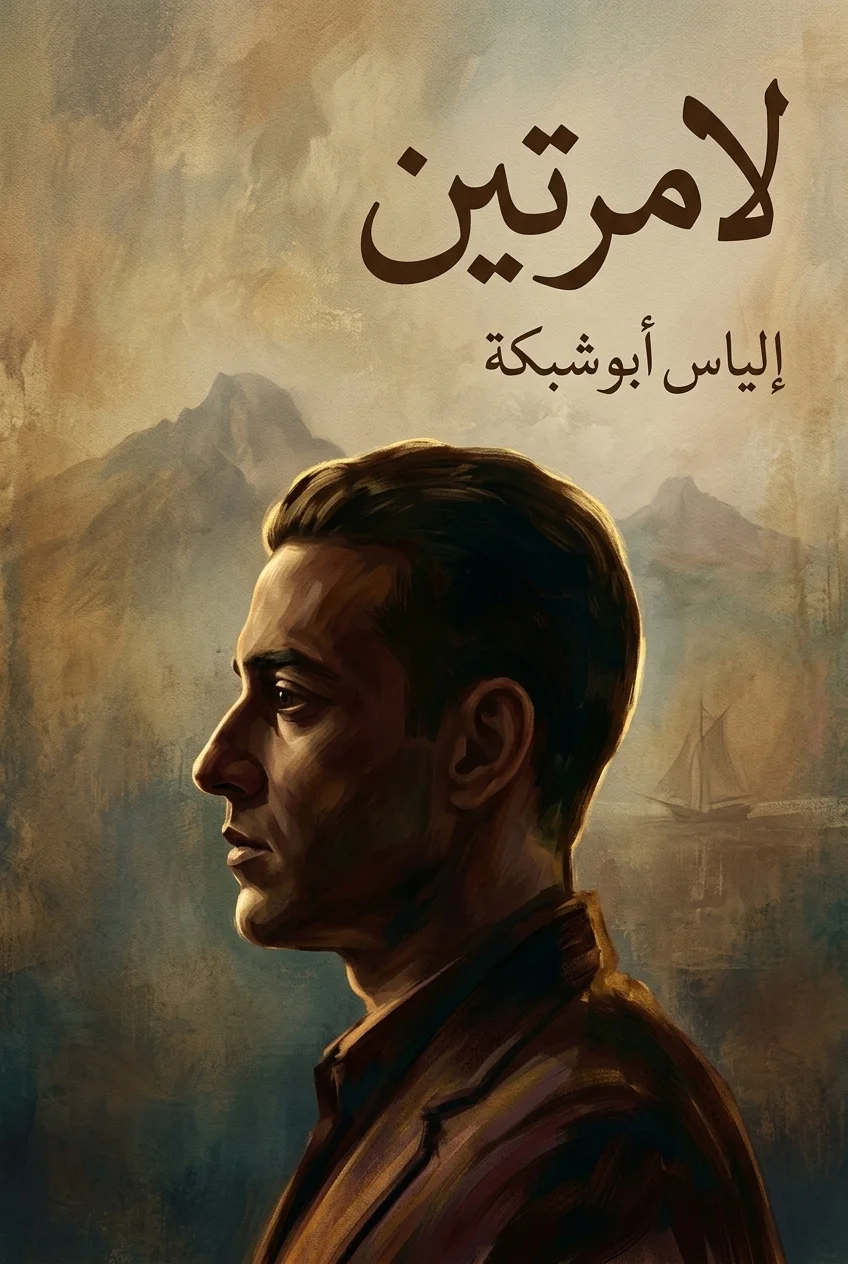
- Lamartine (1945): A distinguished literary study and translation dealing with the life of the French Romantic poet Alphonse de Lamartine and his intellectual and aesthetic impact on Arabic literature.
- Al-Ummal al-Salihun (The Good Workers) (1944): A work reflecting the writer's interest in social justice and noble human values by highlighting the struggles of the working classes.
- Al-Marid al-Samit (The Silent Patient) (1949): A literary work published posthumously that delves into the depths of the human psyche and addresses the repercussions of illness and isolation in a moving narrative style.