1935 - 2003
Edward Wadie Said (born 1935) was a Palestinian-American literary theorist, cultural critic, and professor of English and Comparative Literature at Columbia University. He was a foundational figure in postcolonial studies, renowned for examining the relationships between culture, power, and Western imperialism. His critical theories transformed the modern humanities and redefined how scholars analyze intercultural discourse.
Said was born in Jerusalem during the British Mandate for Palestine, spending his childhood between Jerusalem and Cairo before moving to the United States to pursue his higher education. He earned his Bachelor's degree from Princeton University in 1957 and completed his Doctorate at Harvard University in 1964. He joined the faculty at Columbia University in 1963, where he spent four decades producing groundbreaking research in literary theory and political philosophy.
Said's personal background as a Palestinian living in exile deeply influenced his writing, fostering his commitment to human rights and international political dialogue. He authored more than twenty books and delivered influential lectures around the world, advocating for critical thought free from institutional dogmatism before his passing in 2003. His scholarly legacy remains a cornerstone of comparative literature and postcolonial criticism across the world.
Essential Readings
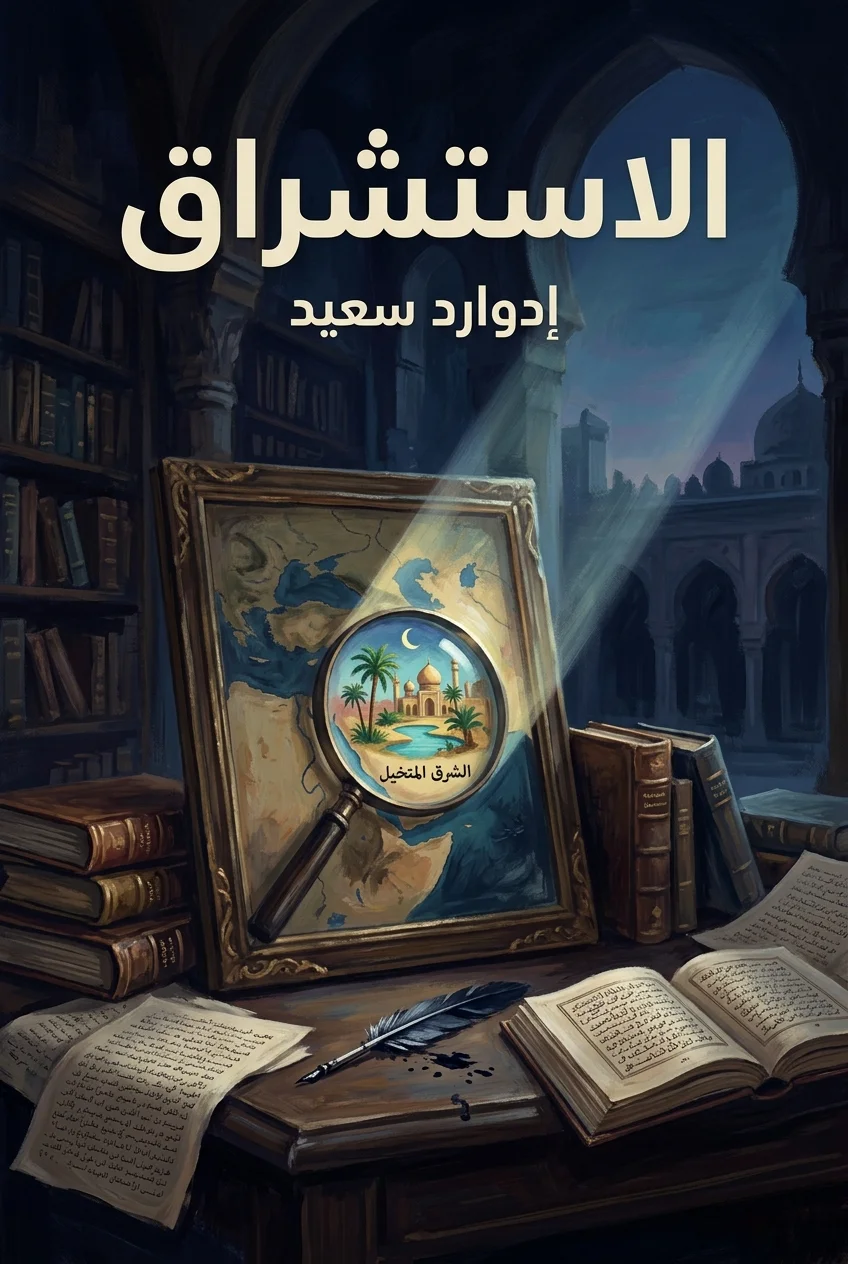
- Orientalism (الاستشراق) (1978): A seminal work criticizing Western literary and academic portrayals of the Middle East, exposing how cultural representations contributed to justifying imperial ambition.
- Representations of the Intellectual / The Intellectual and Power (صور المثقف / المثقف والسلطة) (1994): A compelling collection of essays arguing that public intellectuals must maintain their moral independence and speak truth to political power.
- Culture and Imperialism (الثقافة والإمبريالية) (1993): An expansive study analyzing the historical connections between Western literature, imperial expansion, and cultural resistance in colonized societies.