1858 - 1924
Edith Nesbit (1858–1924) was an English novelist and poet who revolutionized children's literature under the pen name E. Nesbit. She is widely recognized as the creator of the modern children's adventure story, departing from the moralizing tone of her Victorian contemporaries. Her defining contribution was the introduction of realistic, relatable children who encounter both everyday challenges and extraordinary magic.
Born in Kennington, London, Nesbit experienced an unsettled childhood following the early death of her father, which led her family to travel extensively across Europe. In 1880, she married Hubert Bland, and together they became founding members of the Fabian Society in 1884, a socialist organization that greatly influenced her progressive views on social justice. To support her family, Nesbit began writing prolifically, producing poetry, adult fiction, and eventually the children's books that brought her lasting fame.
Nesbit's writing was deeply shaped by her memories of her own childhood adventures in the English countryside, particularly in Kent. This rural backdrop provided the setting for her most famous stories, where she blended realistic family dynamics with elements of fantasy. Her innovative style directly influenced later fantasy giants such as C.S. Lewis and J.K. Rowling, establishing her as a foundational figure in modern youth fiction.
Essential Reading
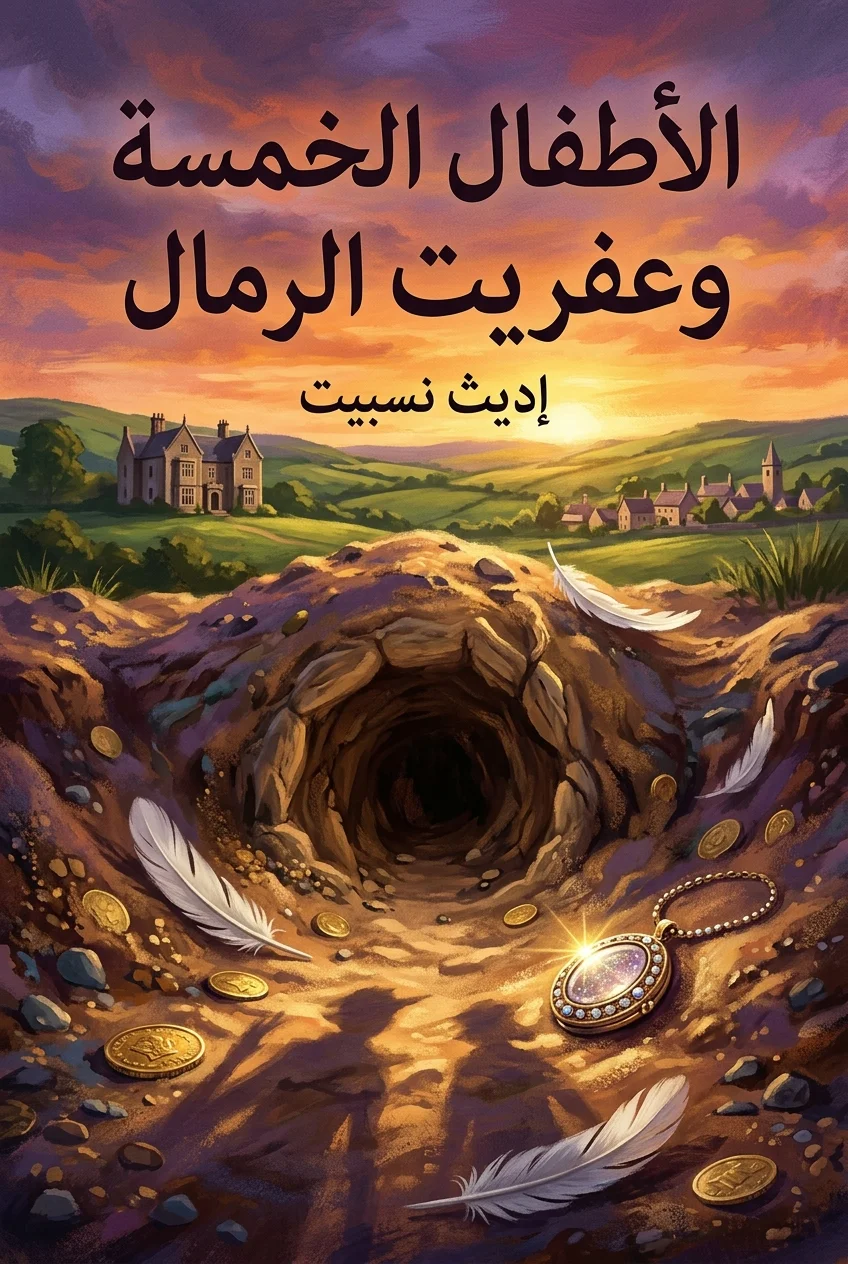
- Five Children and It (1902): This beloved fantasy novel follows five siblings who discover a grumpy, wish-granting sand-fairy named the Psammead, leading to a series of humorous and unintended consequences.
- The Railway Children (1906): This classic tale depicts three children who move to a cottage near a railway line after their father is falsely imprisoned, exploring themes of family loyalty, adventure, and community spirit.
- The Story of the Treasure Seekers (1899): The story introduces the Bastable children, who embark on various imaginative schemes to restore their family's fallen fortunes in London.