1854 - 1900
Oscar Wilde (1854–1900) was the dazzling, controversial epicenter of late-Victorian London society. An Irish-born playwright, novelist, and poet, he became the brilliant chief architect of the Aesthetic movement, which passionately championed "art for art's sake." Armed with a razor-sharp intellect and a flamboyant public persona, Wilde delighted in exposing the stifling hypocrisy and rigid moralism of his era through perfectly crafted, endlessly quotable epigrams.
His subversive, highly successful comedies of manners made him the most celebrated playwright of his day. However, at the absolute height of his fame, Wilde's life was tragically dismantled. Following a scandalous, highly publicized series of trials regarding his homosexuality, he was convicted of "gross indecency" and sentenced to two years of hard labor. The brutal, unforgiving conditions of his imprisonment permanently broke his health. He spent his final years in impoverished exile in Paris, leaving behind a glittering literary legacy that continues to celebrate the triumph of brilliant individuality over crushing societal conformity.
Essential Reading:
The Picture of Dorian Gray (1890): His only novel, a dark, philosophical gothic tale about a beautiful young man who remains forever unaging while his hidden portrait bears the horrific, physical scars of his moral corruption.
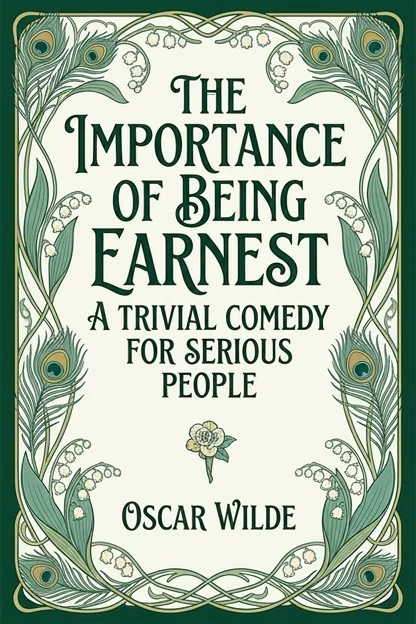
The Importance of Being Earnest (1895): His undisputed comedic masterpiece, a brilliantly absurd, rapidly paced farce that relentlessly mocks Victorian social obligations and the superficiality of high society.
De Profundis (written 1897, published posthumously): A profound, fiercely emotional letter written during his imprisonment, detailing his spiritual journey, his devastating fall from grace, and the agonizing realities of his confinement.
The Ballad of Reading Gaol (1898): A haunting, deeply moving poem composed shortly after his release, reflecting on the brutalizing nature of the penal system and the universal weight of human suffering.
An Ideal Husband (1895): A sharp, witty political comedy that skillfully intertwines public corruption with private blackmail, asking difficult questions about forgiveness and marital expectations.