980 - 1037
Abu Ali al-Husayn ibn Abd Allah ibn Sina (980 CE - 1037 CE), known in the West as "Avicenna," was a Muslim physician, philosopher, and polymath from Bukhara, and is considered one of the most prominent minds in the Islamic Golden Age. He was renowned for his enduring contributions that shaped the foundations of modern medicine and Islamic philosophy for many centuries, earning him the titles "Sheikh al-Ra'is" (Chief Master) and "Prince of Physicians." His writings were characterized by their depth and comprehensiveness, as he innovatively integrated Greek philosophy, natural sciences, and Islamic theology.
Ibn Sina was born in the village of Afshana near Bukhara and grew up in an exceptional scholarly environment that allowed him to memorize the Holy Quran and study various sciences before the age of ten. At eighteen, he successfully treated the Samanid Prince Nuh ibn Mansur from a serious illness, which opened for him the doors to the rich library of the Samanid court. This experience refined his encyclopedic knowledge and provided him with the scientific material to produce his pioneering works. Throughout his life, Ibn Sina traveled between several cities and emirates in Persia, such as Gorgan, Hamadan, and Isfahan, due to political unrest, which enriched his life and professional experiences.
These journeys and political fluctuations contributed to shaping his philosophical and medical thought, as he wrote while traveling and in settled places, and sometimes during periods of imprisonment. He managed to develop innovative theories in cognitive psychology, clinical medicine, astronomy, and logic. These harsh and challenging experiences were reflected in his writings, which were characterized by precision and a search for absolute truth and an interpretation of the mysteries of human existence and the human soul.
Key Works
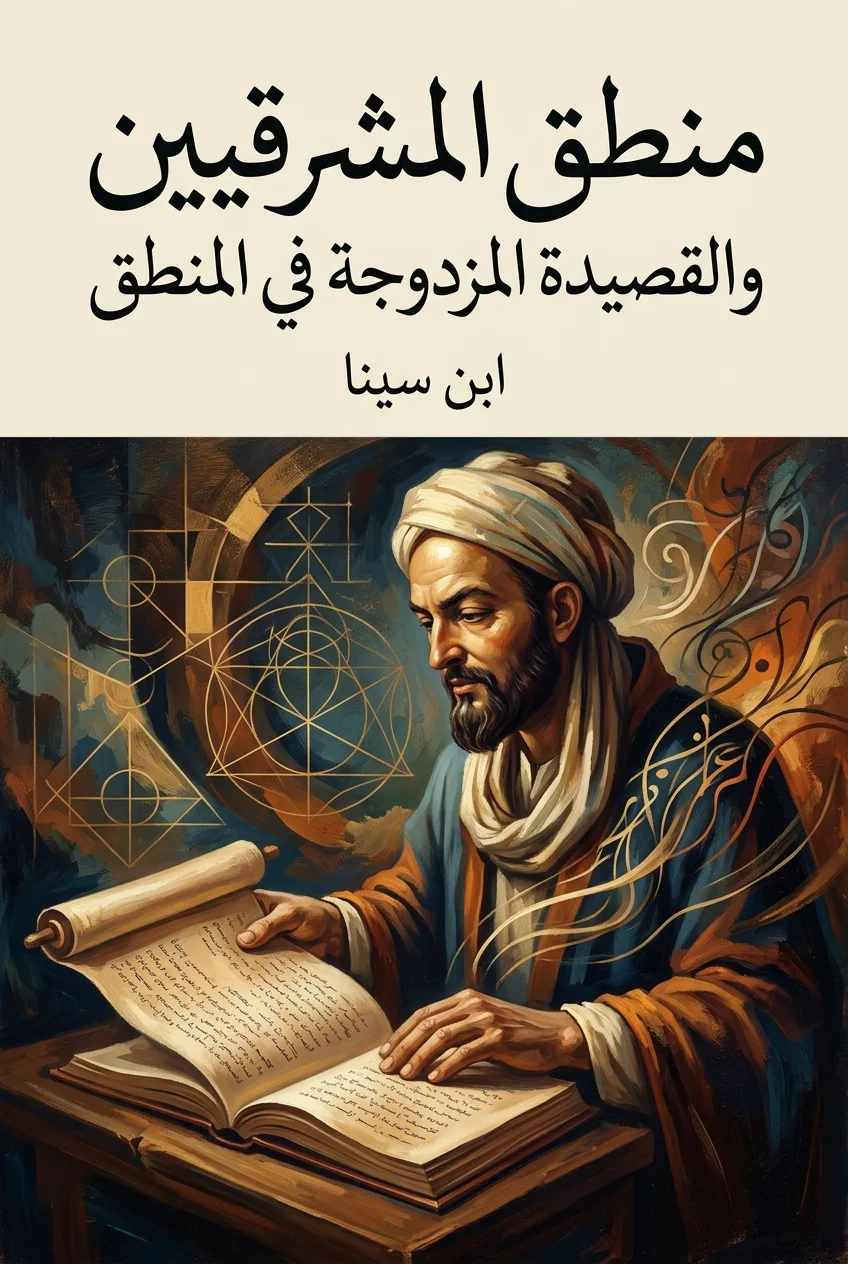
- Mantiq al-Mashriqiyyin wa al-Qasidah al-Muzdawijah fi al-Mantiq (Logic of the Orientals and the Double Poem on Logic) (1029 CE): This book represents Ibn Sina's unique and independent vision in the science of logic, in which he offers a critique of the Greek Peripatetic school and simplifies logical rules through didactic poetic verses to facilitate their understanding.
- Risalah fi Mahiyat al-Ishq (Treatise on the Essence of Love) (1020 CE): A unique philosophical and mystical treatise in which Ibn Sina explains the concept of love as a universal moving force through which all beings, material and spiritual, strive towards perfection and absolute beauty.
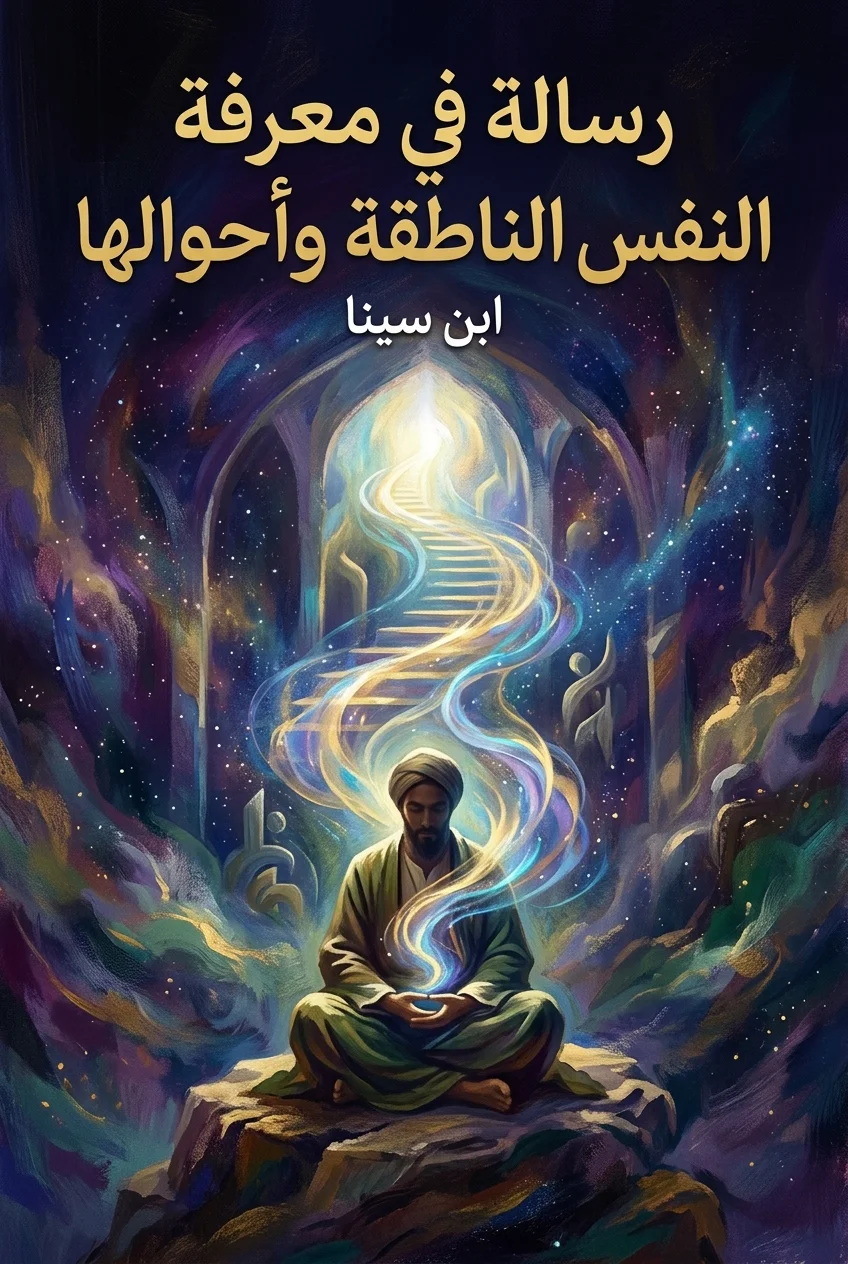
- Risalah fi Ma'rifat al-Nafs al-Natiqah wa Ahwaliha (Treatise on the Knowledge of the Rational Soul and its States) (1030 CE): A deep study in philosophical psychology in which the author discusses the nature of the human soul, its immortality, and its relationship with the body, using rational evidence to prove the existence and independence of the soul.
- Al-Qanun fi al-Tibb (The Canon of Medicine) (1025 CE): The most famous medical encyclopedia globally, which remained the primary reference for teaching medicine in universities in Europe and the East for several centuries due to its precise classification of diseases and their treatments.
- Kitab al-Shifa (The Book of Healing) (1027 CE): A massive encyclopedic work covering the fields of natural sciences, mathematics, logic, and metaphysics, considered one of the most important philosophical works in the history of human thought.