1879 - 1955
Albert Einstein (1879–1955) was a German-born theoretical physicist widely acknowledged as one of the most influential scientists in human history. He is best known for developing the theory of relativity, which fundamentally transformed the scientific understanding of space, time, and gravitation. His revolutionary contributions to physics earned him the 1921 Nobel Prize in Physics, primarily for his discovery of the law of the photoelectric effect.
Born in Ulm, Germany, Einstein displayed an exceptional talent for mathematics and physics from a young age. In 1905, while working as a patent examiner in Bern, Switzerland, he published four seminal papers during his famed miracle year, introducing special relativity and the iconic mass-energy equivalence equation. Facing the rise of Nazi rule in Germany, he immigrated to the United States in 1933 and joined the Institute for Advanced Study in Princeton, New Jersey, where he lived and worked for the remainder of his life.
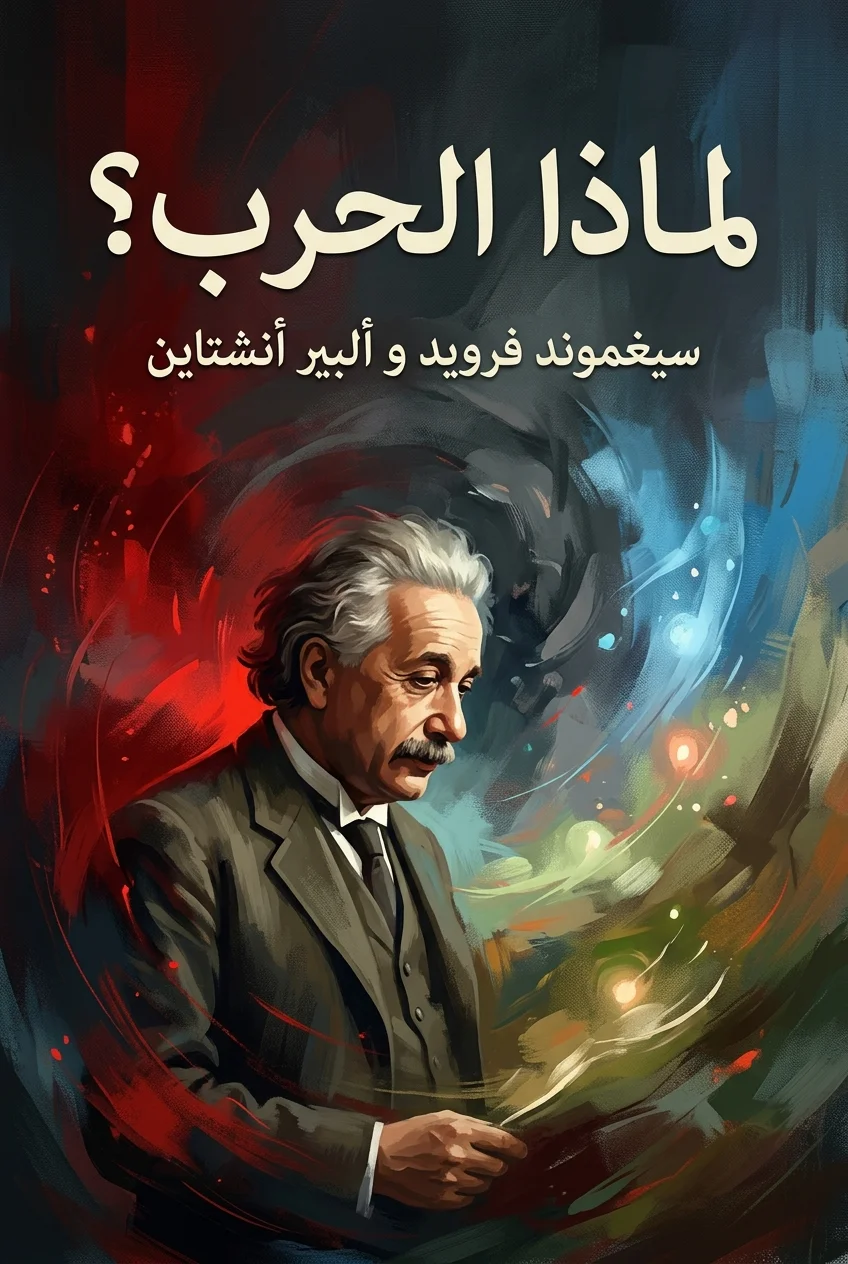
In addition to his revolutionary scientific research, Einstein was a prolific writer whose essays and books addressed pacifism, human rights, and social justice. His experiences as a global exile and public intellectual deeply influenced his non-fiction works, allowing him to communicate complex scientific ideas alongside profound philosophical reflections. He spent his later years writing on world peace and advocating for international cooperation until his death in 1955.
Essential Reading
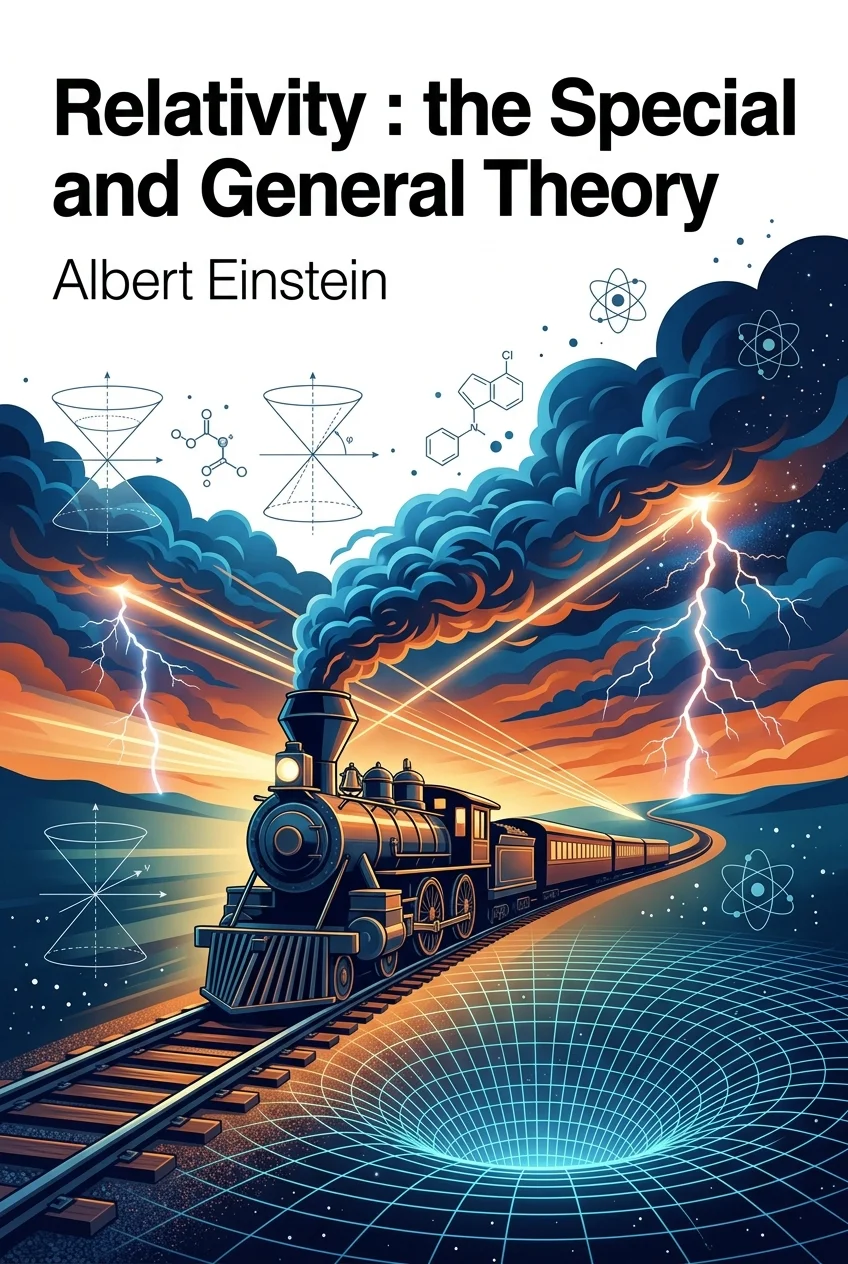
- Relativity: The Special and the General Theory (1916): An accessible overview written by Einstein himself to explain the core concepts of his revolutionary theories to readers without advanced mathematical training.
- The World As I See It (1931): A compelling collection of essays and letters offering deep insights into Einstein's philosophical views on life, science, democracy, and peace.
- Out of My Later Years (1950): An engaging anthology of writings from his American period covering topics ranging from theoretical physics and education to political freedom and human ethics.