1886 - 1962
Maroun Abboud (1886–1962) was a pioneering Lebanese writer, literary critic, and educator who played a monumental role in the modern Arabic literary renaissance (Al-Nahda). Renowned for his sharp critical wit, mastery of the Arabic language, and insightful depictions of rural life, he bridged the gap between traditional heritage and modern literary forms. His extensive body of work helped shape the landscape of contemporary Arabic criticism and narrative prose.
Born in Ayn Kfaa, Lebanon, Abboud was educated at the Saint John Maron Monastery and later studied law and literature in Beirut. His deep connection to the Lebanese countryside and its folklore profoundly influenced his realistic storytelling, while his career as an educator and journalist allowed him to champion intellectual reform and linguistic excellence. Throughout the turbulent decades of the early twentieth century, including the transition from Ottoman rule to French mandate and finally Lebanese independence, he remained a steadfast advocate for cultural renewal and critical thinking.
Essential Reading
- Abu Al-Ala Al-Ma'arri: Zawba'at Al-Duhur (1950): A brilliant critical study examining the controversial life, philosophy, and enduring literary legacy of the famous blind Abbasid poet.
- Adab Al-Arab (1947): An insightful and comprehensive overview of the history and evolution of Arabic literature across different eras.
- Ahadith Al-Qarya (1944): A collection of charming, realistic stories capturing the social dynamics, traditions, and daily life of the Lebanese countryside.
- Akhar Hajar (1950): A reflective literary work exploring social themes, human relationships, and the shifting values of contemporary society.
- Al-Akhras Al-Mutakallim (1952): A collection of critical essays and social commentaries delivered with the author's signature wit and sharp observation.
- Al-Amir Al-Ahmar (1948): A historical and biographical narrative detailing the life and political exploits of the Lebanese prince Bashir II.
- Al-Ru'us (1952): A compelling collection of character sketches and portraits illustrating the diverse personalities of Lebanese village life.
- Al-Shi'r Al-Aami (1952): A pioneering study dedicated to the history, structure, and cultural value of Lebanese colloquial folk poetry.
- Ala Al-Mihak (1946): A rigorous volume of literary criticism that puts contemporary writers and their works to the test of objective evaluation.
- Ala Al-Ta'ir (1949): A vibrant collection of brief essays, observations, and cultural critiques written in a light, engaging style.
- Aqzam Jababira (1948): A critical examination of literary figures, contrasting those of minor talent with the true giants of Arabic literature.
- Ashbah Al-Qarn Al-Thamin Ashar (1953): A historical and literary study focusing on the intellectual currents and prominent figures of the eighteenth century.
- Badi' Al-Zaman Al-Hamadhani (1954): An in-depth biography and analysis of the master of the Maqama genre and his contributions to classical Arabic prose.
- Faris Agha (1954): A realistic novel depicting the struggles, authority, and social transformations within Lebanese rural society.
- Fi Al-Mukhtabar (1955): A collection of analytical essays where the author dissects various literary texts under his critical microscope.
- Haflat Takrim (1956): A reflective work capturing the speeches, tributes, and intellectual atmosphere of various cultural honoring ceremonies.
- Habr Ala Waraq (1955): A compilation of diverse essays addressing social reform, literature, and the role of the writer in a changing world.
- Judud Wa Kudama (1954): A critical comparison between classical traditions and modern innovations in Arabic poetry and prose.
- Christopher Columbus (1947): An engaging historical biography detailing the life, voyages, and historical impact of the famous explorer.
- Majnun Layla (1950): A creative reinterpretation and critical analysis of the classic, tragic Arabic love story of Qays and Layla.
- Min Al-Jirab (1957): A rich collection of anecdotes, folklore, and wisdom gathered from the author's deep connection to popular culture.
- Mujaddidun Wa Mujatrun (1960): A sharp critical work distinguishing between genuine literary innovators and those who merely repeat old forms.
- Munawashat (1959): A lively series of literary skirmishes, debates, and intellectual critiques addressing contemporary cultural issues.
- Naqadat Abir (1959): A collection of fleeting yet profound critical reviews of books and intellectual movements of his time.
- Qabla Infilaj Al-Burkan (1953): A prophetic collection of socio-political essays warning of the coming changes and upheavals in the Arab world.
- Rasa'il Wa Ahadith (1957): A personal compilation of letters and conversations that reveal the author's private thoughts, friendships, and literary philosophy.
- Ruwwad Al-Nahda Al-Haditha (1952): A vital historical reference cataloging the pioneers who led the modern Arab cultural and literary renaissance.
- Subul Wa Manahij (1953): An educational and literary guide outlining effective paths and methodologies for studying Arabic literature.
- Theodosius Caesar (1955): A historical study exploring the life and political legacy of the Roman Emperor Theodosius.
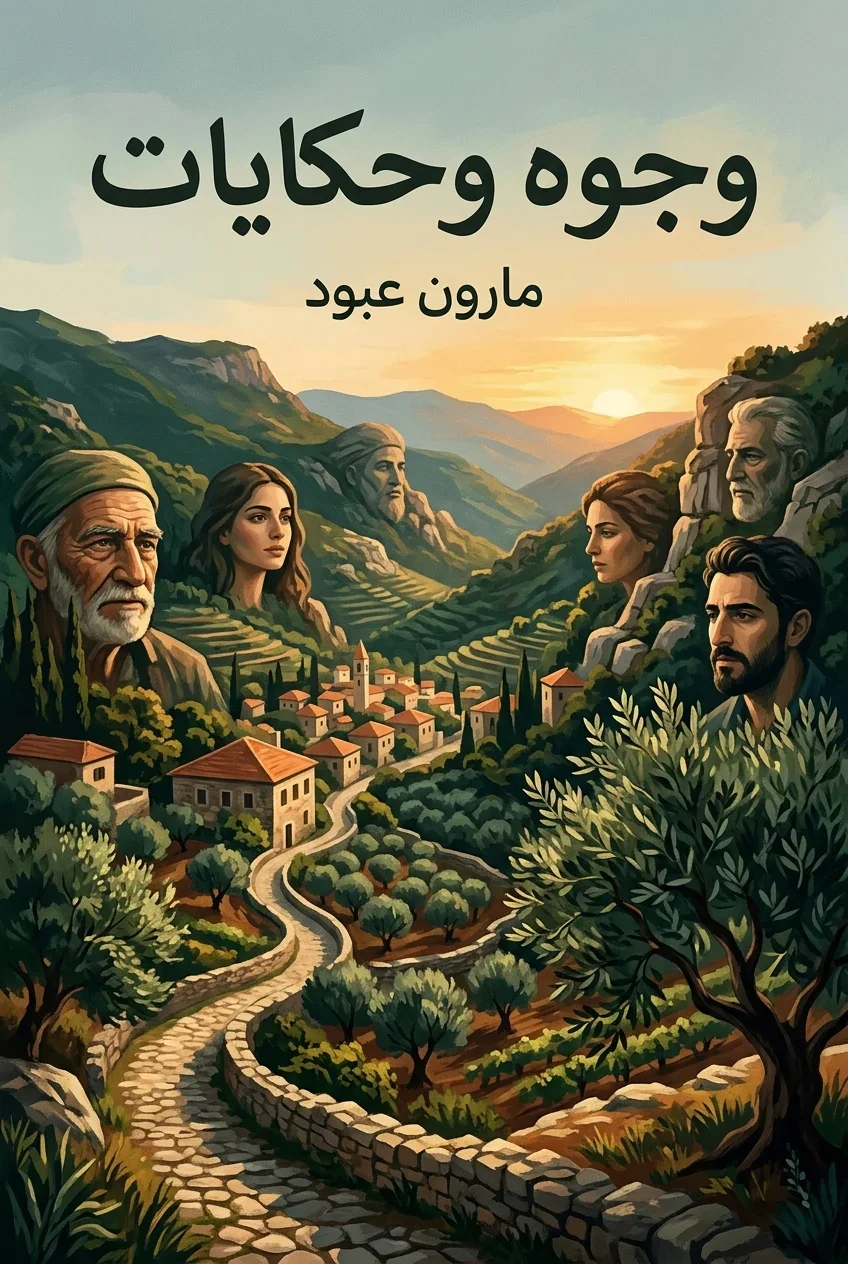
- Wujuh Wa Hikayat (1958): A delightful collection of narrative portraits and stories celebrating the unique characters of the Lebanese mountains.
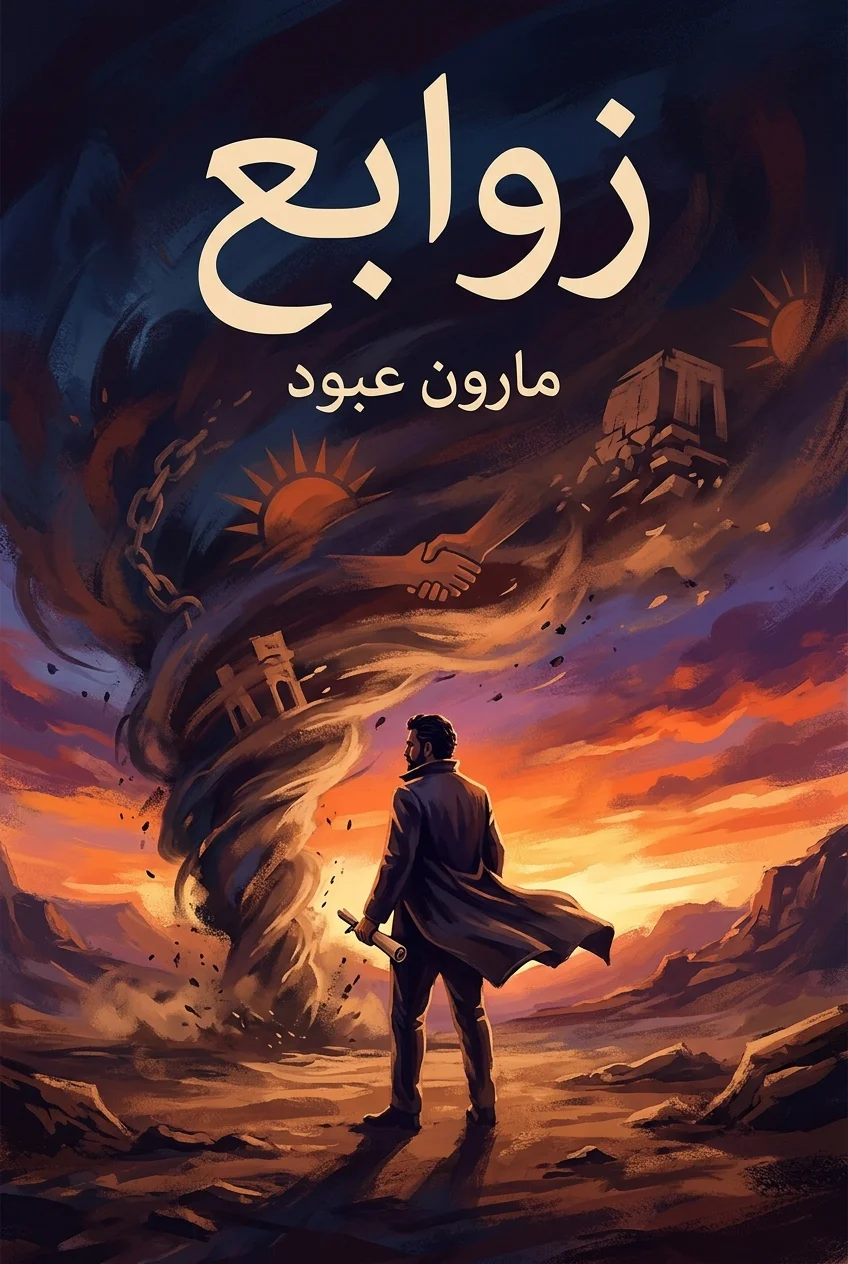
- Zawabi (1953): A powerful collection of essays addressing the intellectual storms, debates, and controversies of the modern literary scene.