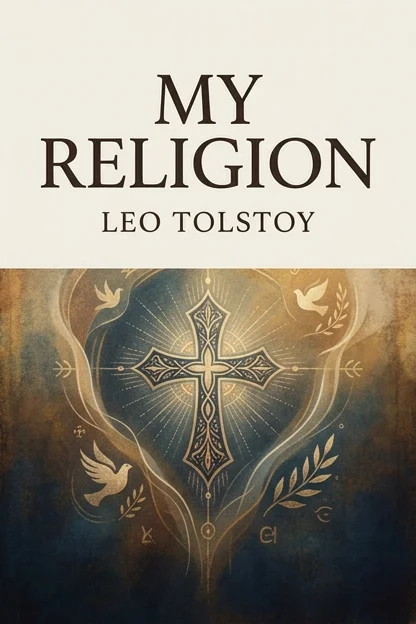
1828 - 1910
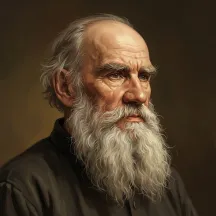
Graf Leo Tolstoy (b. 1828) is a Russian novelist, philosopher, and essayist widely regarded as one of the greatest authors in world literature. His monumental realist fiction captures the profound complexities of Russian society, human psychology, and moral philosophy during the 19th century.
Born at his family estate of Yasnaya Polyana in Tula Province, Russia, Tolstoy served in the Crimean War before dedicating his life to writing and agrarian reform. His firsthand military experiences deeply influenced his pacifist worldview and his complex portrayals of war and heroism. Later in life, he experienced a profound spiritual awakening that shifted his focus toward Christian anarchism, ethical asceticism, and social justice.
Tolstoy famously renounced his earlier aristocratic lifestyle and copyright to his later works, advocating instead for land reform and radical nonviolent resistance. His literary output combined sweeping historical scope with intricate, intimate character development that challenged the conventions of the nineteenth-century novel. Through essays, novellas, and novels, he interrogated institutional corruption, organized religion, and the fundamental meaning of human existence.
Essential Reading
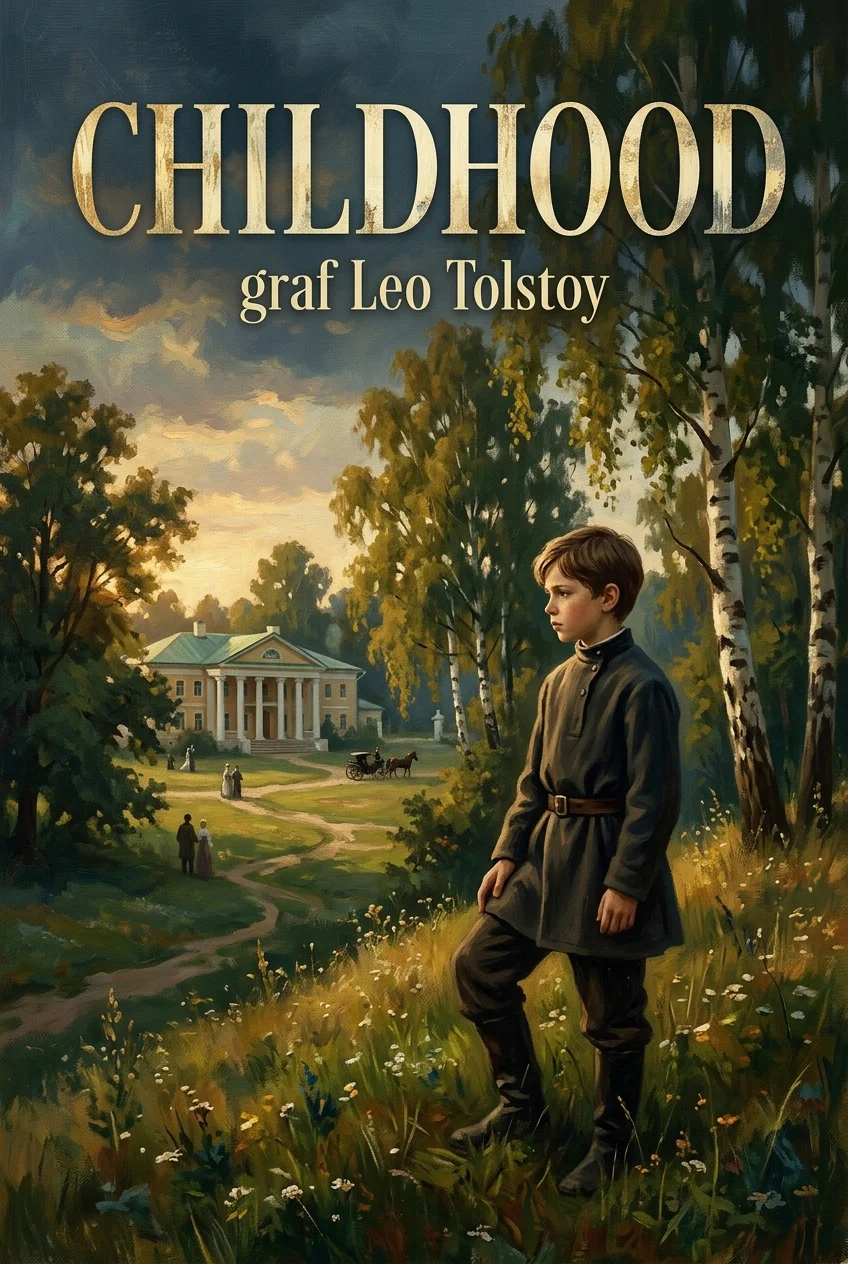
- Childhood (1852): This semi-autobiographical novel explores the intricate inner world and early moral awakening of a young nobleman coming of age in tsarist Russia.
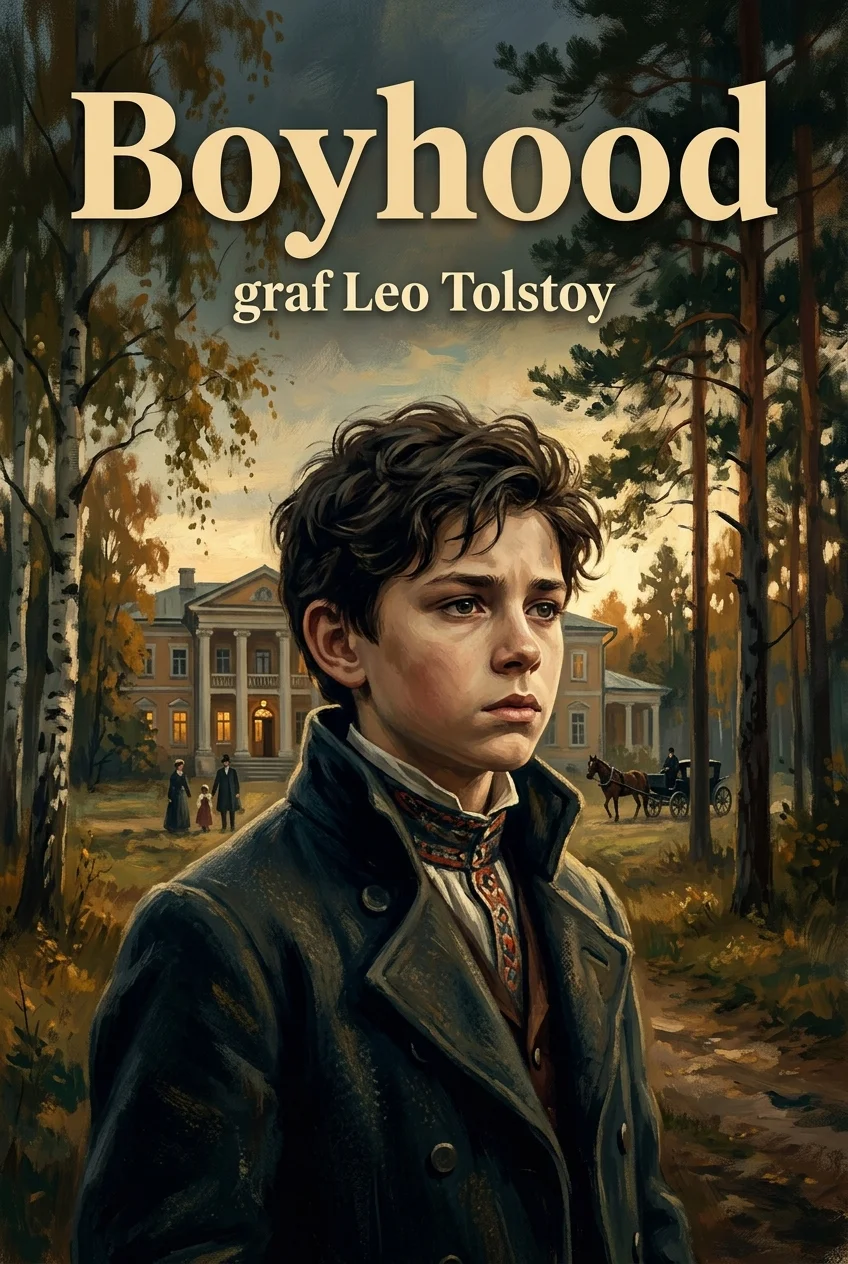
- Boyhood (1854): This second installment of Tolstoy's autobiographical trilogy traces the awkward transitions, intellectual awakenings, and emotional turbulence of youth.
- War and Peace (1869): This epic masterwork intertwines the lives of aristocratic families with the sweeping historical drama of Napoleon's invasion of Russia.
- Anna Karenina (1878): This tragic novel examines the destructive power of illicit passion, marital infidelity, and social hypocrisy across Russian high society.