Wolfgang Borchert
1921 – 1947
German
1 bookBiography
Wolfgang Borchert (b. 1921) was a German author, playwright, and poet who became one of the defining figures of post-World War II German rubble literature, or Trümmerliteratur. Drafted into the military during World War II, his harrowing firsthand experiences on the Eastern Front and subsequent imprisonments profoundly shaped his creative output before his death in 1947 at the age of twenty-six.
Born in Hamburg, Borchert initially worked as an actor and wrote poetry before being conscripted into the German army in 1941. While serving on the Russian front, he suffered severe injuries, frostbite, and hepatitis, and he was repeatedly arrested and imprisoned by Nazi authorities for political dissent and anti-state remarks.
Following the war, Borchert returned to Hamburg in critically failing health and produced an extraordinary body of short stories and drama during his final months. His stark, rhythmic prose captured the psychological trauma, moral devastation, and existential despair of a shattered nation, cementing his legacy as a vital voice of postwar European literature.
Essential Reading
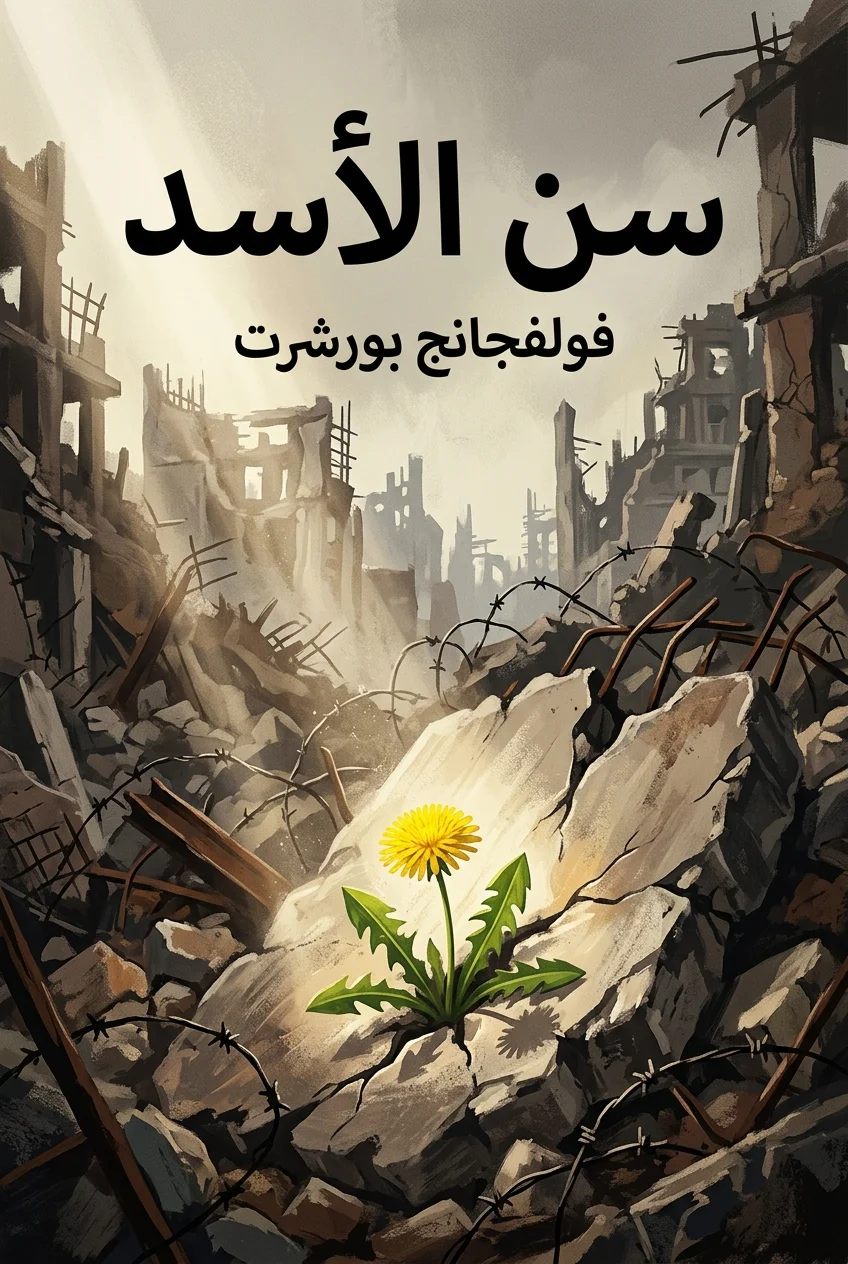
- The Dandelion (سن الأسد) (1946): Written during the author's imprisonment, this seminal short story collection explores dehumanization, memory, and existential hope amid the oppressive realities of war.
- The Man Outside (Draußen vor der Tür) (1947): A landmark post-war play depicting a broken, traumatized soldier returning home to a ruined Hamburg, which gave voice to a lost generation.