Walt Whitman
1819 – 1892
American
1 bookBiography
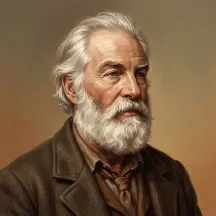
Walter Whitman (b. 1819) is an American poet, essayist, and journalist who is widely recognized as one of the most influential writers in the literary canon. Often called the father of free verse, he revolutionized poetic form by blending epic scope with everyday American speech. His work famously celebrated democracy, nature, individuality, and the interconnectedness of all humanity.
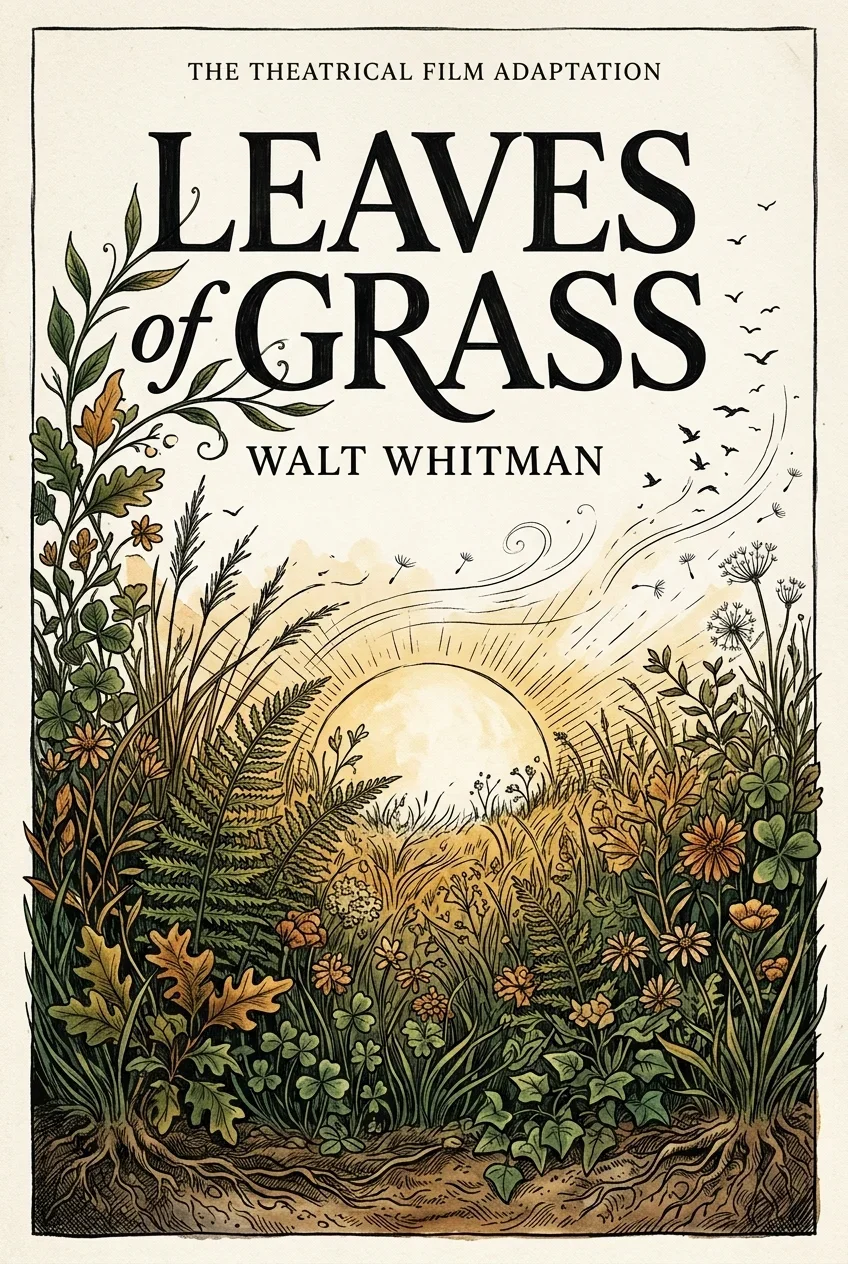
Born in West Hills on Long Island, New York, Whitman grew up in Brooklyn and worked early jobs as a printer's apprentice, schoolteacher, and newspaper editor. In 1855, he self-published his masterwork, Leaves of Grass, which initially received mixed reviews for its unconventional structure and frank exploration of themes considered taboo at the time. Over the following decades, he continued to expand and republish this single volume, shaping it into a lifelong poetic project that mirrored the sprawling growth of the United States.
During the American Civil War, Whitman moved to Washington, D.C., where he worked tirelessly as a volunteer hospital nurse caring for wounded soldiers. This intense exposure to suffering and heroism deeply inspired his 1865 collection Drum-Taps and cemented his reputation as a vital chronicler of the national soul. Later in life, he settled in Camden, New Jersey, where he continued writing and compiling prose reflections such as Specimen Days until his final years.
Essential Reading
- Leaves of Grass (1855): This groundbreaking poetry collection broke away from traditional rhyming meters to celebrate the American landscape, human experience, and democratic ideals through expansive free verse.
- Drum-Taps (1865): This powerful collection captures the trauma, heroism, and raw emotional reality of the American Civil War through the eyes of an eyewitness caregiver.
- Specimen Days (1892): This autobiographical prose work offers intimate reflections on the author's early life, his experiences nursing soldiers during the Civil War, and his deep appreciation for nature.