1856 - 1950
George Bernard Shaw (b. 1856) was an Irish playwright, critic, and polemicist whose work fundamentally reshaped modern drama. He is best known for using the stage as a platform for social commentary, blending sharp wit with serious political and philosophical ideas. As a co-founder of the London School of Economics, he combined literary excellence with active engagement in socialist reform.
Born in Dublin, Shaw moved to London in 1876, where he struggled as a novelist before finding his voice in theater criticism and playwriting. His early career was marked by his involvement with the Fabian Society, which influenced his commitment to gradualist socialism and informed the ideological depth of his subsequent works. This period established his reputation as a formidable intellectual force in British cultural life.
Shaw achieved international fame with plays that challenged Victorian morals and social conventions, often employing paradox and irony to expose societal hypocrisies. In 1925, he was awarded the Nobel Prize in Literature, which he accepted with characteristic humility while donating the prize money to support translations of Swedish literature into English. His long career spanned over six decades, during which he remained a prolific writer and public figure until his death in 1950.
Essential Reading
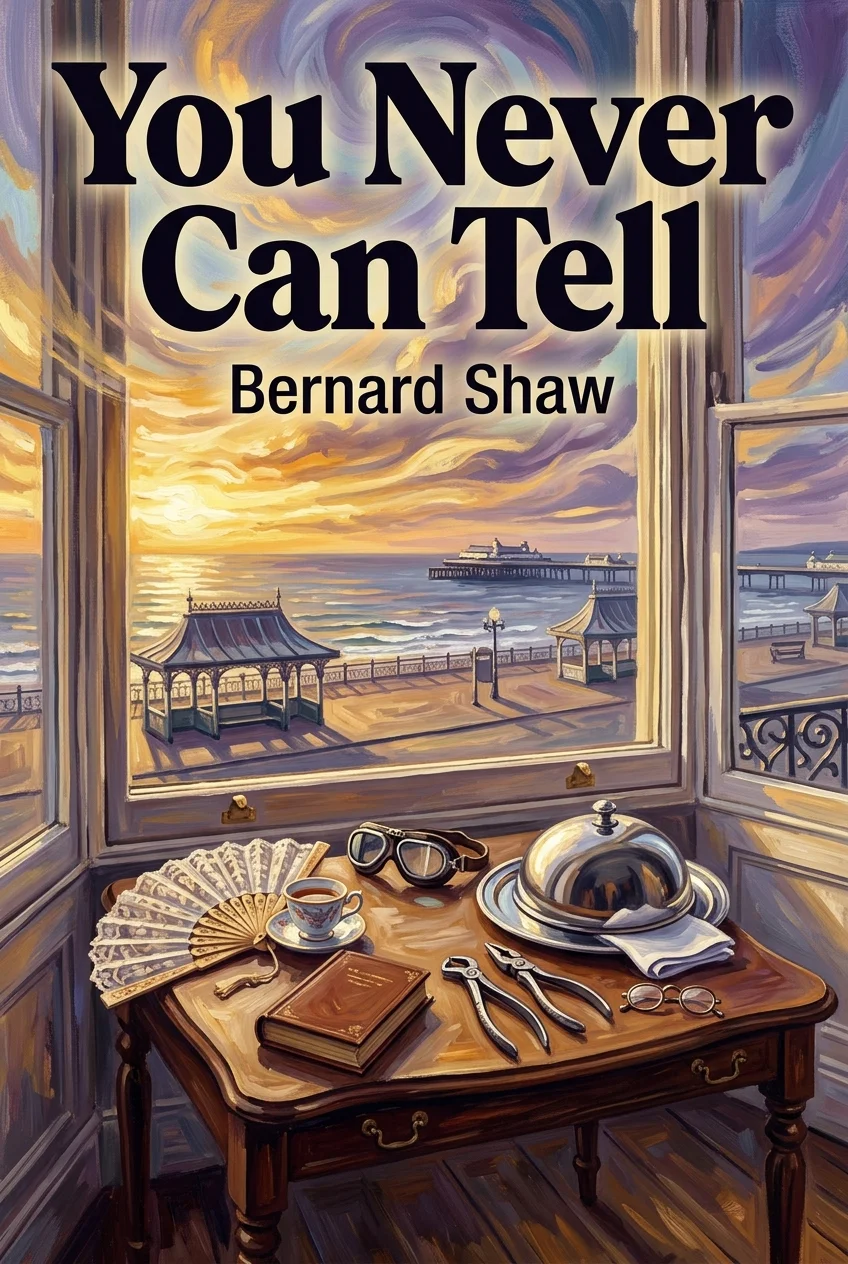
- You Never Can Tell (1897): A comedy exploring romantic entanglements and family secrets through witty dialogue and situational irony.
- Androcles and the Lion (1912): A fable-like play examining religious faith and persecution through the lens of early Christianity.
- Caesar and Cleopatra (1898): A historical drama portraying the political and personal relationship between the Roman leader and the Egyptian queen.
- Captain Brassbound's Conversion (1900): A play addressing themes of justice, revenge, and moral redemption within a maritime setting.
- Cashel Byron's Profession (1886): A novel critiquing class distinctions and the boxing profession through the story of an aristocratic boxer.
- John Bull's Other Island (1904): A comedy satirizing English attitudes toward Ireland and the complexities of national identity.
- The Devil's Disciple (1897): A historical melodrama set during the American Revolution, exploring faith and sacrifice.
- The Philanderer (1893): An early play challenging Victorian marriage laws and social hypocrisy through a love triangle.
- An Unsocial Socialist (1884): A novel depicting the clash between socialist ideals and upper-class society.
- Arms and the Man (1894): A comedy debunking romantic notions of war and heroism through pragmatic characters.
- Back to Methuselah (1921): A cycle of plays presenting a philosophical history of human evolution and longevity.
- Candida (1898): A domestic drama questioning traditional gender roles and the nature of marital love.
- Fanny’s First Play (1911): A meta-theatrical comedy critiquing contemporary theater critics and audience expectations.
- Geneva (1938): A satire on international diplomacy and the League of Nations featuring caricatures of world leaders.
- Getting Married (1908): A discussion play examining the legal and social intricacies of marriage institutions.
- Heartbreak House (1919): A tragicomedy reflecting the spiritual drift and disillusionment of pre-war European society.
- In Good King Charles's Golden Days (1939): A historical conversation piece featuring Isaac Newton and other figures from the Restoration era.
- Major Barbara (1905): A play contrasting religious salvation with the moral implications of wealth from arms manufacturing.
- Man and Superman (1903): A philosophical comedy exploring the concept of the Life Force and human evolution.
- Misalliance (1910): A comedy analyzing class differences and familial relationships through an unexpected engagement.
- Mrs. Warren’s Profession (1893): A controversial play addressing prostitution and economic necessity for women.
- On the Rocks (1933): A political fantasy dealing with economic crisis and governmental incompetence.
- Pygmalion (1913): A classic comedy about phonetics and class mobility through the transformation of a flower girl.
- Saint Joan (1923): A tragedy chronicling the life, trial, and martyrdom of Joan of Arc.
- Short Plays (Various): A collection showcasing Shaw's versatility in concise dramatic forms and varied themes.
- The Apple Cart (1929): A political satire questioning democratic ideals and monarchical traditions.
- The Doctor’s Dilemma (1906): A play exploring medical ethics and the value of human life in professional practice.
- The Glimpse of Reality (1914): A short farce set in Sicily involving crime, passion, and theatricality.
- The Man of Destiny (1895): A one-act play featuring a young Napoleon Bonaparte and themes of fate versus character.
- The Millionairess (1935): A comedy about a wealthy woman navigating love and business in a patriarchal society.
- The Miraculous Revenge (1885): An early satirical novel targeting religious pilgrimage and superstition.
- The Simpleton of the Unexpected Isles (1935): A fantastical play critiquing imperialism and societal norms through absurdity.
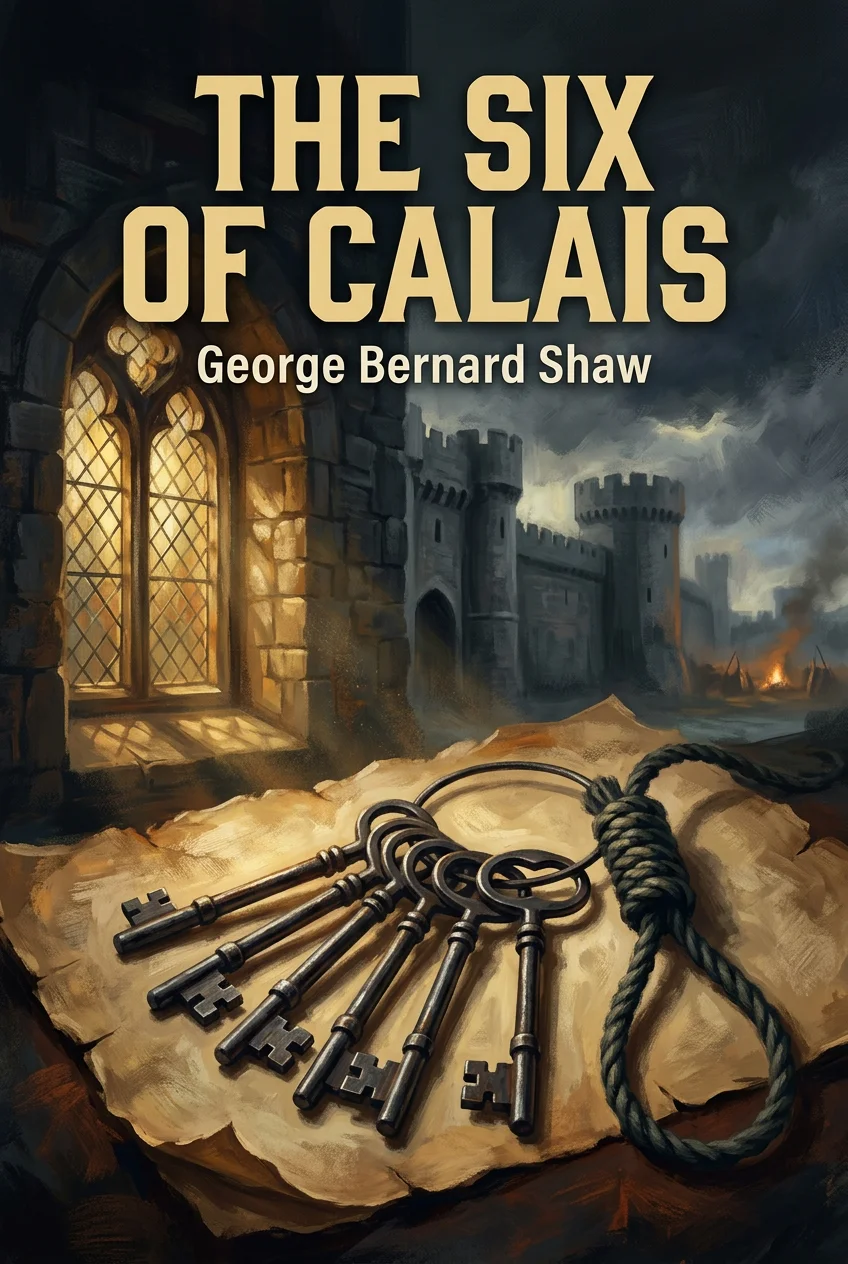
- The Six of Calais (1934): A historical comedy reimagining the legendary event with humor and humanization.
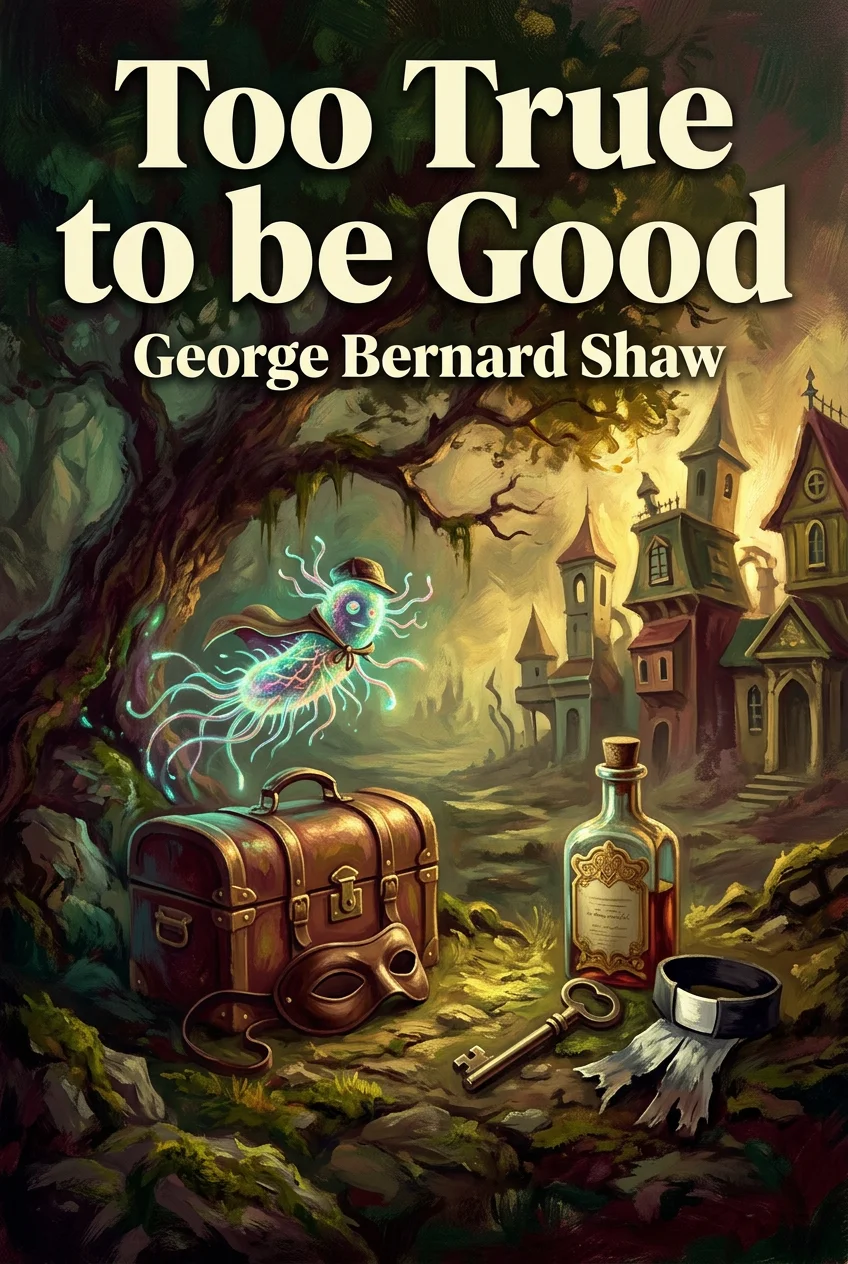
- Too True to be Good (1932): A surreal comedy addressing patient-doctor dynamics and existential boredom.
- Village Wooing (1934): A light-hearted dialogue exploring modern romance and independence.
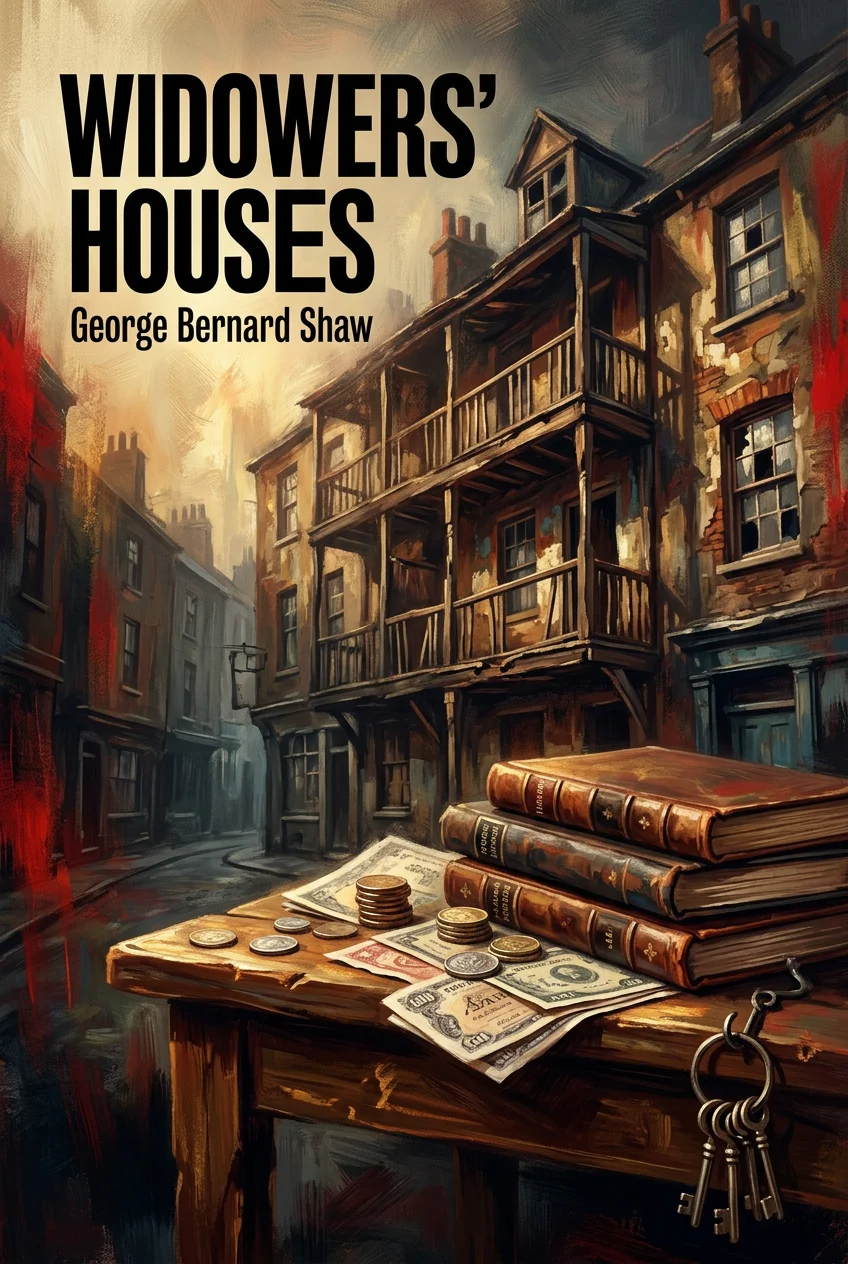
- Widowers' Houses (1892): Shaw's first produced play, exposing the corrupt sources of capitalist wealth.