1868 - 1963
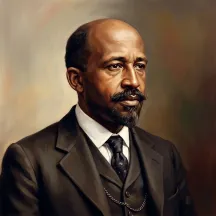
William Edward Burghardt Du Bois (1868–1963) was an American sociologist, historian, civil rights activist, and author who stands as one of the most influential African American intellectuals of the twentieth century. Born in Great Barrington, Massachusetts, he became the first African American to earn a doctorate from Harvard University in 1895. His groundbreaking scholarship and civil rights leadership transformed American social science and political discourse.
Du Bois began his academic career teaching at Atlanta University, where he conducted pioneering empirical studies on Black social conditions in the United States. In 1905, he helped establish the Niagara Movement to oppose disenfranchisement and racial segregation, leading directly to the creation of the National Association for the Advancement of Colored People in 1909. Serving as the editor of the NAACP journal The Crisis from 1910 to 1934, he championed Black literature, political autonomy, and civil rights activism.
Throughout his career, Du Bois promoted Pan-Africanism, organizing international congresses to challenge European colonialism across Africa and the Caribbean. His encounters with global power structures and domestic racial injustice shaped his prolific literary output on Black identity, labor, and democracy. He spent his final years in Accra, Ghana, where he became a citizen and worked on the Encyclopedia Africana prior to his death in 1963.
Essential Reading
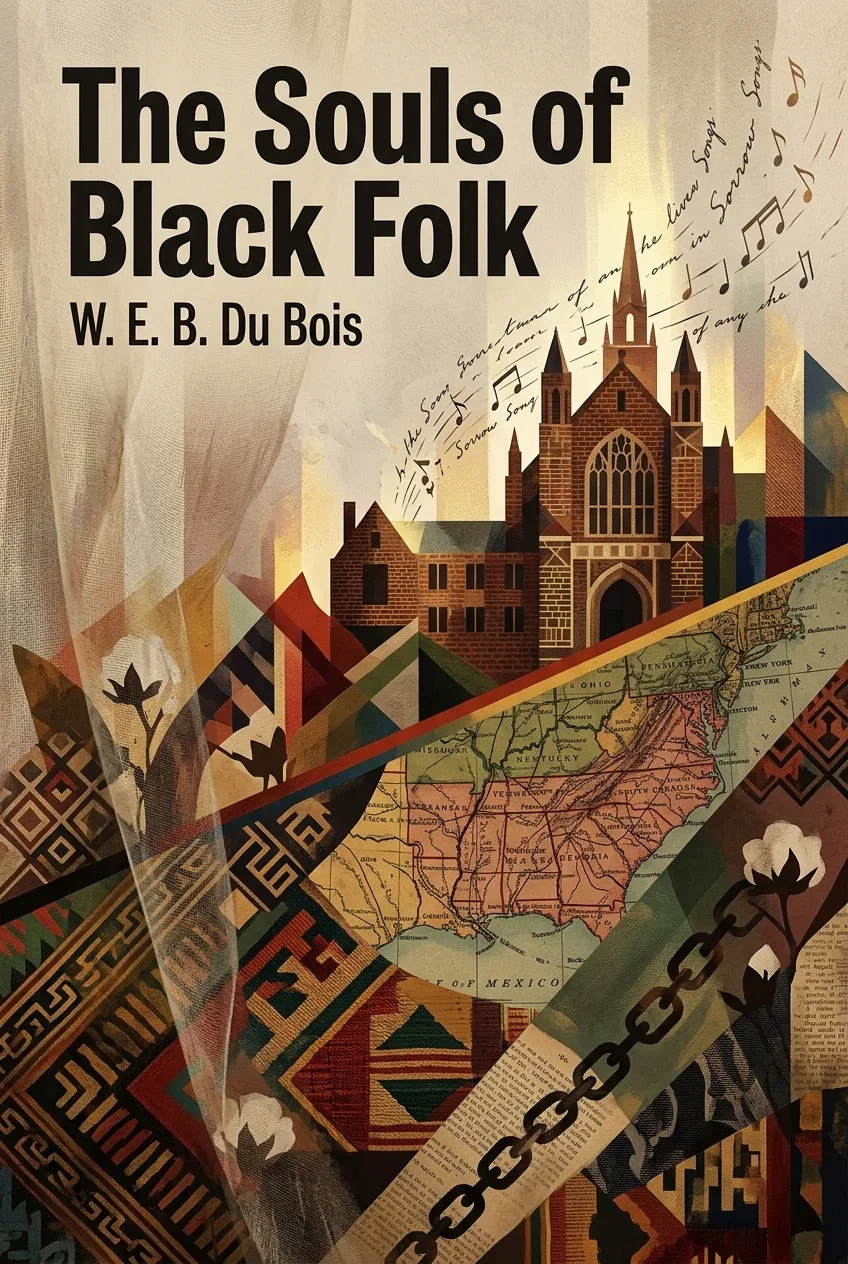
- The Souls of Black Folk (1903): A seminal collection of essays introducing the concept of double consciousness and criticizing racial inequality in post-Reconstruction America.
- The Philadelphia Negro (1899): A pioneering sociological case study detailing the social, economic, and political conditions of an urban African American community.
- Black Reconstruction in America (1935): A monumental historical text re-evaluating the Reconstruction era and emphasizing the central role of Black Americans in saving American democracy.