Book Catalog
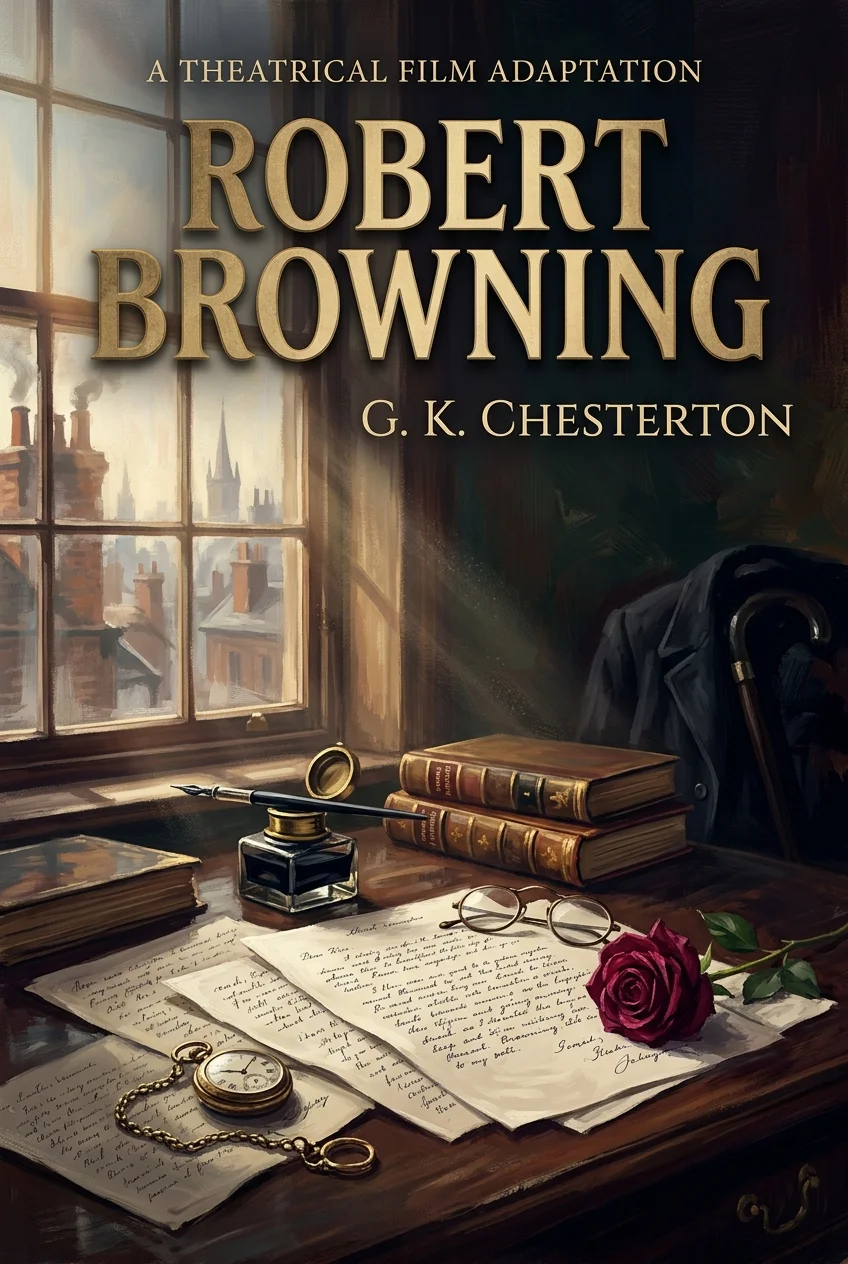
Robert Browning

Robert Browning

G. K. Chesterton

Step into the vibrant world of Robert Browning through the brilliant lens of G. K. Chesterton. This captivating portrait explores the famous Victorian poet not as a distant, obscure academic, but as an extraordinarily ordinary Englishman brimming with romantic passion and intellectual vigor. Discover how a middle-class upbringing in Camberwell shaped a profound poetic voice that defied dry intellectualism, championing the enduring power of youth, optimism, and unpretentious human life.

Genre: Biography & Memoir, Classic Literature
Language: English
Format: WebBook, eBook
Join Free

Start Reading

Sign up for free to access this book.

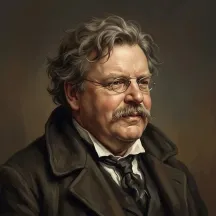
About the Author

G. K. Chesterton

G. K. Chesterton

1874 - 1936

Gilbert Keith Chesterton (1874) is an English writer, journalist, and literary critic recognized as one of the most prolific and versatile polymaths of the early twentieth century. He is celebrated for his exuberant defense of orthodox Christianity, brilliant paradoxes, and the creation of the intuitive amateur detective Father Brown.

Born in London, England, Chesterton attended St Paul's School and later studied art at the Slade School of Fine Art before transitioning to journalism and literature. His early career flourished as a freelance art and literary critic, leading to widespread recognition for his distinctive journalistic style characterized by witty aphorisms and robust philosophical debates. He married Frances Blogg in 1901, a partnership that provided enduring personal stability amidst his frantic schedule of writing books, essays, and weekly newspaper columns.

In addition to his prolific essays and poetry, Chesterton converted to Roman Catholicism in 1922, a spiritual journey that deeply informed his later theological and biographical works. He established the publication G.K.'s Weekly in 1925, using the platform to champion distributism, an economic philosophy alternative to both capitalism and state socialism. Throughout his lifetime, he authored nearly a hundred books, earning international renown for his contributions to fiction, biography, and cultural critique until his death in 1936.

Essential Reading

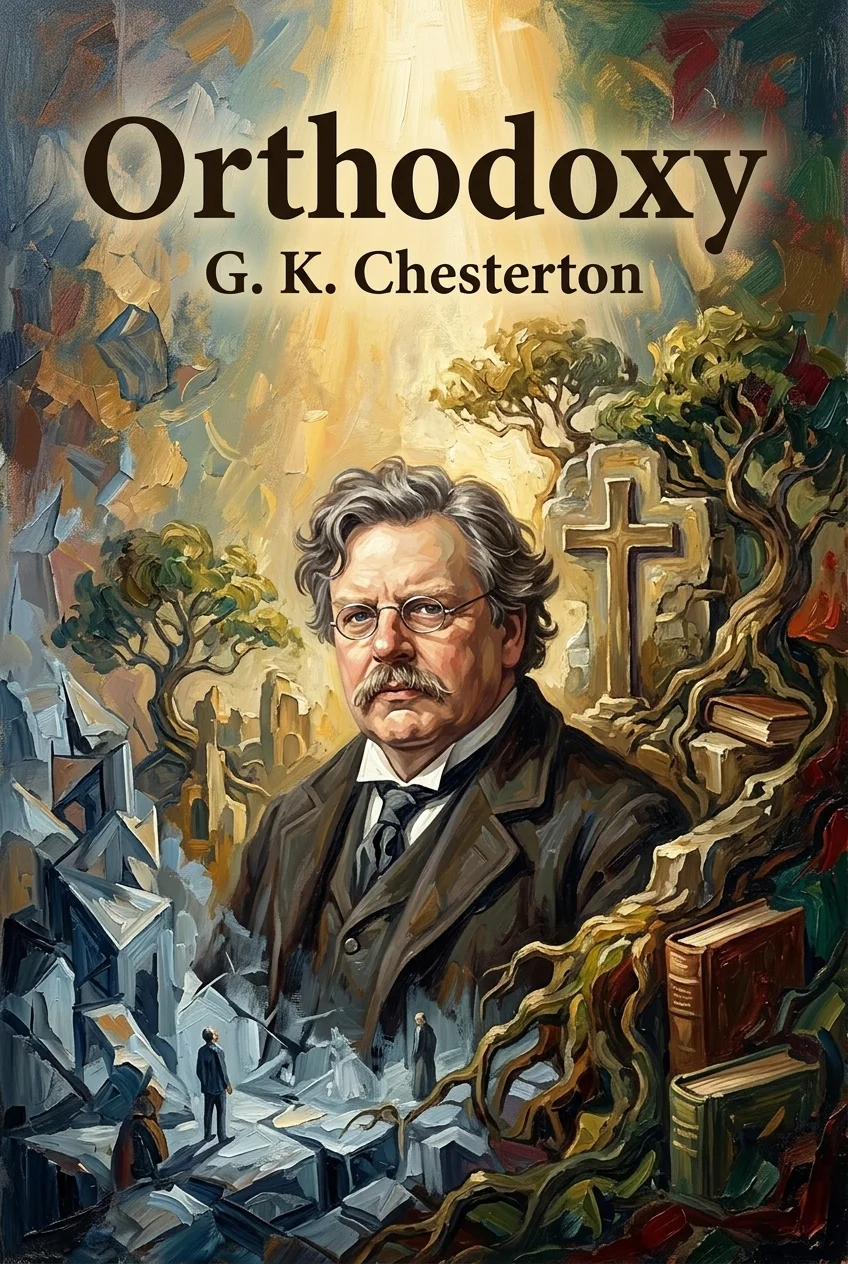
  • Orthodoxy (1908): This brilliant spiritual autobiography details the author's journey toward Christian belief, presenting traditional faith as the most intellectually adventurous philosophy available.
  • Robert Browning (1903): This insightful literary biography explores the life and poetic genius of the Victorian writer, establishing the author as a major voice in British criticism.
  • The Napoleon of Notting Hill (1904): This whimsical dystopian novel presents a futuristic London where eccentric local nationalism transforms humdrum suburban boroughs into fierce medieval-style city-states.
  • The Innocence of Father Brown (1911): This landmark collection of short stories introduces a unassuming Catholic priest whose profound understanding of human evil allows him to solve baffling criminal mysteries.
Read more about the author

More from this Author

More in Biography & Memoir

Top Read This Month

Top Read All Time