Robert Byron
1905 – 1941
English
1 bookBiography
Robert Byron (b. 1905) was an English travel writer, art critic, and historian best known for pioneering the modern travelogue genre through his keen aesthetic sense and sharp observational style. Recognized as a defining voice in early twentieth-century prose, he transformed travel writing by combining architectural criticism, historical analysis, and witty personal narration. His groundbreaking observations across the Middle East and Central Asia reshaped how Western audiences appreciated Islamic and Byzantine architecture.
Educated at Eton College and Merton College, Oxford, Byron developed an early passion for art history that motivated his extensive global travels. During the 1920s and 1930s, he embarked on ambitious expeditions across Greece, Soviet Russia, India, Tibet, and Persia, meticulously documenting local cultures and historic monuments. His deep appreciation for Byzantine civilization inspired him to challenge traditional Western art history canons and advocate for the preservation of Eastern architecture.
Byron was a prominent figure within London literary circles, bringing a fresh and rebellious energy to historical scholarship. His active career was tragically cut short during World War II when he died in 1941 after his ship, the SS Jonathan Holt, was torpedoed in the North Atlantic. Despite his brief life, Byron left behind a major literary legacy that permanently reshaped non-fiction travel literature.
Essential Reading
- The Station (1928): An evocative record of the author's journey to the monasteries of Mount Athos, offering rich insights into Byzantine art and monastic life.
- The Byzantine Achievement (1929): An influential historical work defending the cultural, political, and artistic legacy of the Byzantine Empire.
- First Russia, Then Tibet (1933): A dynamic travel narrative detailing visits to Soviet Russia and pre-war Tibet, contrasting modern political ideology with traditional spiritual culture.
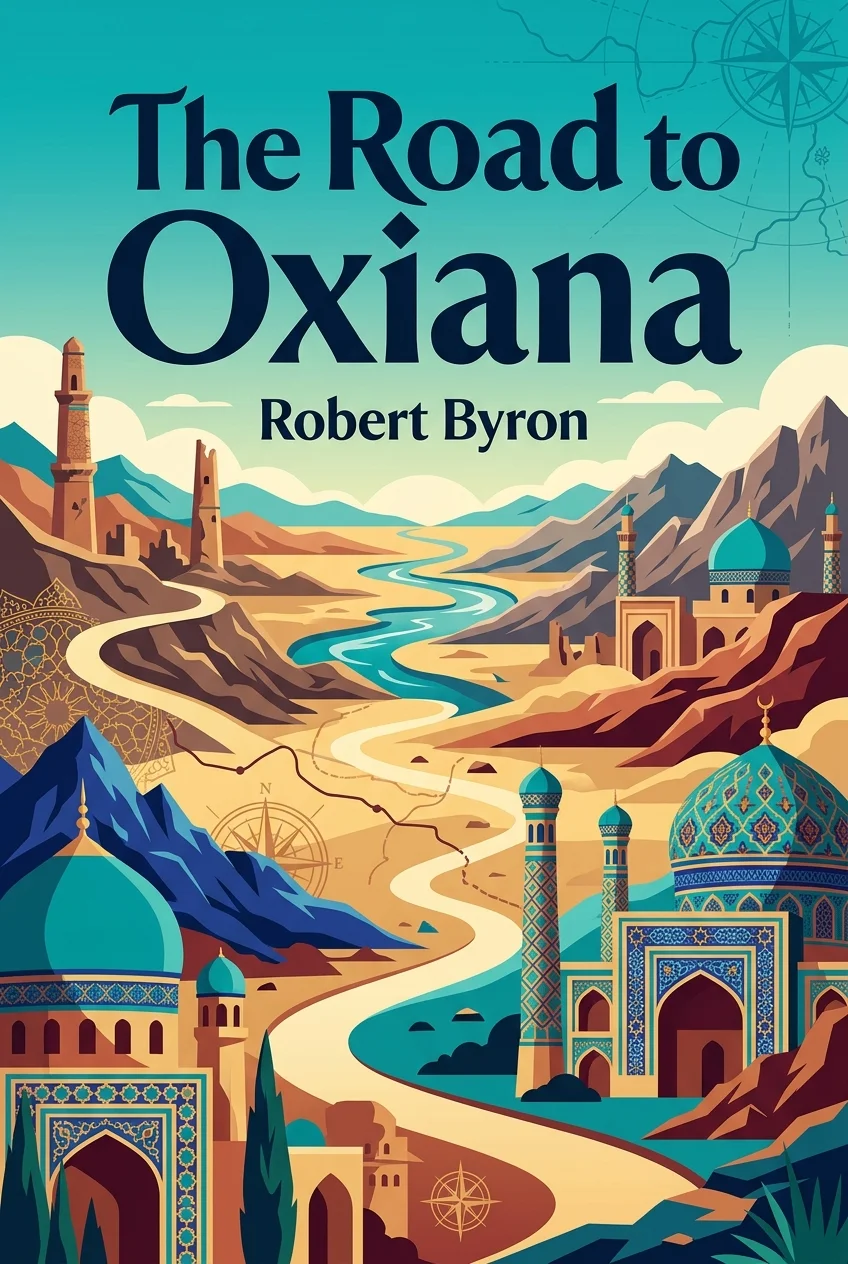
- The Road to Oxiana (1937): A celebrated masterpiece of travel literature recording a journey through Persia and Afghanistan in search of the origins of Islamic architecture.